Offshore Unipay

Blog

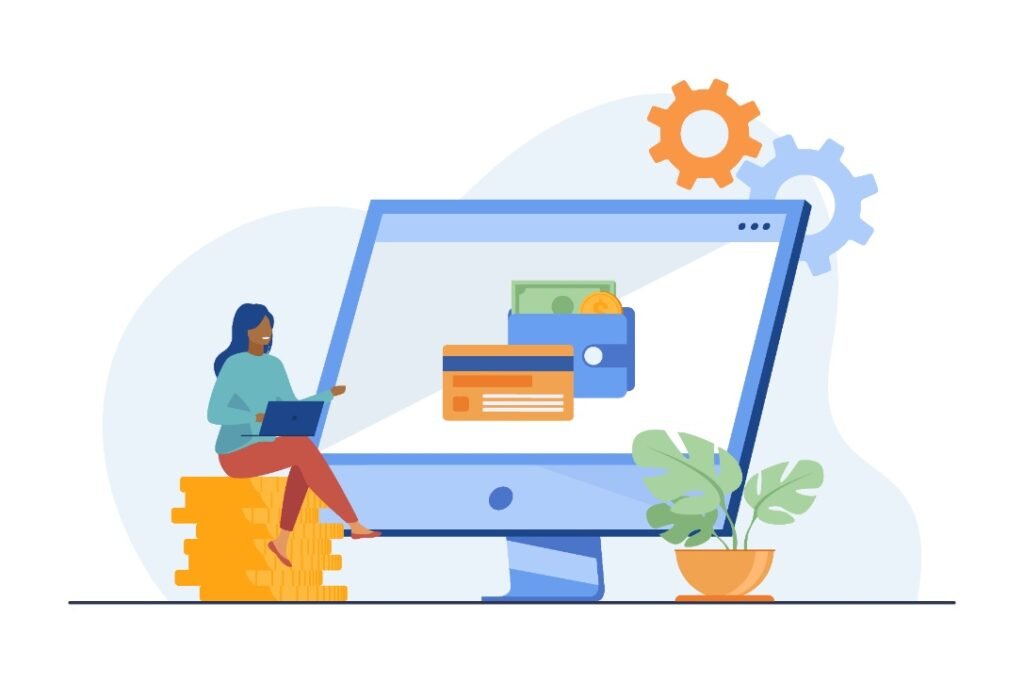
There is a girl to pay with 2d payment gateway
Blog

What Is 2D Payment Gateway

What Is 2D Payment Gateway? A Complete Guide July 31, 2026 12:27 pm If you are researching what is 2D payment gateway, the term generally refers to an online payment gateway or checkout flow where a cardholder can complete a card-not-present transaction without an additional 3D Secure authentication step, such as a one-time password or bank authentication challenge. In a typical 2D payment flow, the customer enters their card details at checkout, and the payment information is sent securely through the payment gateway to the acquiring bank and card network for authorization. If the transaction is approved, the payment can proceed without the customer being redirected to an additional authentication page. However, the exact authentication process depends on the payment processor, acquiring bank, card network, merchant configuration, and applicable regulations. Therefore, 2D payment gateway should not be understood as a separate universal payment technology or a guarantee that authentication will never be required. What Is a 2D Payment Gateway? A 2D payment gateway is commonly used to describe a payment setup where the customer enters their card information and the transaction is processed without an additional 3D Secure authentication challenge. The basic information required may include: Card number Expiration date CVV/CVC Cardholder information Billing information, depending on the checkout setup After the customer submits the payment, the gateway securely communicates the transaction details to the relevant payment infrastructure. The transaction is then authorized or declined based on factors such as card validity, available funds or credit, fraud screening, issuer rules, and merchant configuration. The important point is that 2D payment processing is primarily distinguished by the authentication flow, rather than by a completely different type of payment gateway. How Does 2D Payment Processing Work? Understanding the payment flow makes the concept easier to explain. Although the exact process varies between providers, a typical card payment may follow these steps: 1. Customer Enters Card Details The customer reaches the merchant’s checkout page and enters the requested card information. The checkout page may be hosted directly by the merchant or provided through a payment service provider. Secure payment forms are generally designed to protect sensitive payment information during transmission. 2. Payment Gateway Receives the Transaction The payment gateway securely transfers the transaction request to the appropriate payment processing infrastructure. The gateway acts as a technology layer connecting the merchant’s checkout environment with payment processing systems. 3. Payment Is Sent for Authorization The transaction is routed through the acquiring side and card network toward the cardholder’s issuing bank. The issuer checks whether the transaction can be authorized based on the information and controls associated with the card. 4. Issuer Returns an Approval or Decline The issuing bank sends an authorization response. If approved, the merchant can proceed with the order according to its payment and fulfillment process. If declined, the merchant receives a decline response and can display an appropriate message to the customer. 5. Settlement Takes Place Authorization does not necessarily mean the merchant has received the funds immediately. The transaction generally goes through subsequent clearing and settlement processes before the funds are transferred according to the merchant’s acquiring arrangement. 2D vs. 3D Secure: What Is the Difference? The biggest distinction between these payment flows is the role of additional cardholder authentication. With a typical 2D-style transaction, the customer may enter their card details and submit the payment without an additional 3D Secure challenge. With 3D Secure, the cardholder may be authenticated through an issuer-controlled process. Depending on the transaction and issuer, this could involve a frictionless authentication or an additional challenge. The difference can be summarized as follows: Feature 2D-Style Payment Flow 3D Secure Payment Card details Required Required Additional authentication May not occur Authentication framework is used Customer experience Usually simpler May involve additional authentication Fraud protection Depends on gateway and other controls Adds an additional authentication layer Liability considerations Depends on transaction and rules May provide specific liability-shift benefits in eligible cases Regulatory requirements Depends on market and transaction Can support regulatory authentication requirements It is important not to assume that one approach is automatically better. The appropriate payment flow depends on the merchant’s market, customers, risk profile, payment provider, and applicable rules. Benefits of a 2D Payment Gateway A 2D-style payment experience can provide several practical advantages in situations where additional authentication is not required. Faster Checkout Experience Removing an additional authentication step can make the checkout process more straightforward. Customers may be able to complete payment without entering an OTP or completing another authentication challenge. Reduced Checkout Friction Every additional step can potentially affect the customer experience. A simpler payment flow may help reduce friction for customers who are already comfortable providing their card information. Convenient Customer Experience For repeat customers and straightforward purchases, a streamlined checkout can make the payment process feel quicker and easier. Flexible Payment Integration Payment gateways can often be integrated with websites, ecommerce platforms, applications, and other digital checkout environments. The available integration methods depend on the provider. What Are the Risks of 2D Payment Processing? While a simpler authentication flow can improve convenience, merchants should also understand the risks. The absence of an additional 3D Secure authentication challenge can mean that merchants may have fewer authentication-based fraud controls available for a transaction. This does not mean every 2D-style transaction is unsafe, because payment gateways and processors can use other security and fraud-prevention measures. Merchants may use tools such as: CVV verification Address Verification Service (AVS), where available Fraud scoring Velocity checks Device and behavioral analysis IP and location analysis Transaction monitoring Manual review for suspicious transactions The availability of these controls varies by payment provider, acquiring bank, region, and transaction type. Is 2D Payment Gateway Secure? A common misconception is that a 2D payment gateway is automatically insecure because it does not use an additional 3D Secure challenge. That is not necessarily correct. Payment security involves multiple layers. Encryption, tokenization, PCI DSS compliance, fraud monitoring, authentication methods, secure integration practices, and issuer controls can all contribute to transaction security. At

How to Get Approved IPTV Merchant Account
Blog

How to Get Approved IPTV Merchant Account

Learn How to Get Approved for an IPTV Merchant Account July 24, 2026 7:41 am Getting approved for an IPTV merchant account is one of the biggest challenges IPTV businesses face. Many traditional banks and payment providers hesitate to work with IPTV companies because of industry-related risks, recurring billing, chargebacks, and compliance concerns. However, approval is absolutely possible when your business is prepared and works with payment providers that specialize in high-risk industries. In this guide, you’ll learn why IPTV businesses are considered high-risk, what payment providers evaluate during the approval process, the documents you’ll need, and practical steps to improve your approval chances. Why Is an IPTV Merchant Account Difficult to Get? Unlike standard online businesses, IPTV providers often operate on subscription-based billing models and serve customers across multiple countries. These factors increase the risk from a payment processor’s perspective. Some common reasons include: Recurring subscription payments Higher-than-average chargeback rates Cross-border transactions Fraud and stolen card attempts Compliance and content verification requirements Rapid changes in industry regulations Because of these factors, many traditional banks simply decline IPTV applications instead of evaluating them individually. Fortunately, there are payment providers that specialize in high-risk businesses and understand how IPTV companies operate. What Is an IPTV Merchant Account? An IPTV merchant account is a specialized payment processing solution that allows IPTV businesses to securely accept debit card and credit card payments from customers. Unlike a standard merchant account, an IPTV merchant account is designed to support businesses that operate in industries with elevated payment risk. A complete solution generally includes: Merchant account Payment gateway Card payment processing Multi-currency support Recurring billing Fraud prevention tools Chargeback management These features help IPTV providers collect subscription payments while maintaining payment stability. What Do Payment Providers Check Before Approval? Approval isn’t random. Payment providers typically review several aspects of your business before deciding whether to approve your application. 1. Business Registration Your business should be legally registered in the country where it operates. Most providers will request: Certificate of incorporation Business registration documents Company ownership information Having a properly registered business creates confidence during the underwriting process. 2. Website Quality Your website is one of the first things underwriters review. A professional IPTV website should clearly display: Company information Pricing Subscription plans Contact details Privacy Policy Terms & Conditions Refund Policy A poorly designed or incomplete website can delay approval. 3. Business Model Payment providers want to understand exactly how your IPTV business operates. They may review: Subscription plans Billing frequency Target markets Customer acquisition methods Types of services offered Being transparent about your business model helps reduce unnecessary questions during underwriting. 4. Compliance Information Many providers perform due diligence to understand whether the business complies with applicable legal and payment industry requirements. Providing accurate information during the application process helps avoid delays. 5. Chargeback Risk Chargebacks are one of the biggest concerns for payment processors. If your business already accepts payments elsewhere, providers may review: Chargeback ratio Refund history Transaction volume Customer complaints Lower chargeback rates generally improve approval chances. Documents Commonly Required Although requirements vary between providers, you may be asked to submit: Certificate of incorporation Government-issued ID of company directors Proof of business address Bank account details Website URL Processing history (if available) Estimated monthly processing volume Average transaction value Providing complete documentation upfront can help speed up the approval process. How to Improve Your Approval Chances Getting approved often comes down to preparation. Here are several practical ways to strengthen your application. Build a Professional Website Your website should clearly explain your services, pricing, and customer policies. Missing legal pages or unclear business information can create unnecessary concerns during the review process. Be Transparent Never hide details about your business. Clearly explain: What services you offer How customers subscribe Which countries you serve Expected monthly volume Transparency builds trust with payment providers. Keep Chargebacks Low Reducing chargebacks benefits both your business and your payment provider. Some ways to reduce disputes include: Clearly describe subscription plans Send payment confirmations Make cancellation options easy to find Respond to customer support requests quickly Process refunds promptly when appropriate Use Fraud Prevention Tools Fraud prevention measures help reduce unauthorized transactions. Many payment solutions support features such as: Address Verification (AVS) CVV verification Velocity checks Device monitoring Risk scoring These tools can improve payment security and reduce fraud-related losses. Apply with a High-Risk Payment Specialist Traditional banks often have strict policies that make IPTV approval difficult. Working with a provider experienced in high-risk industries may improve your chances because they understand the operational needs of IPTV businesses. If you’re looking to learn more about specialized payment solutions, explore our IPTV High Risk Merchant Account page to understand how high-risk payment processing works and what features are available for IPTV businesses. Common Reasons IPTV Merchant Account Applications Get Rejected Understanding why applications are declined can help you avoid common mistakes. Incomplete Website A website without legal policies, pricing information, or contact details may not meet underwriting expectations. Missing Documentation Incomplete applications often require additional review, leading to delays or rejection. High-Risk Payment History Businesses with excessive chargebacks or fraud issues may face additional scrutiny. Unclear Business Information Inconsistent information between your application and website can create concerns during verification. Misleading Application Details Providing inaccurate information can result in immediate rejection. How Long Does Approval Take? Approval timelines vary depending on the payment provider and the completeness of your application. Applications with all required documents and a well-prepared website generally move through the review process more efficiently than incomplete submissions. If additional verification is required, the provider may request more information before making a final decision. Choosing the Right IPTV Merchant Account Provider Not every payment processor is suited for IPTV businesses. When comparing providers, consider whether they offer: Experience with high-risk industries Recurring billing support Multiple payment methods Multi-currency processing Chargeback management tools Fraud prevention features Responsive customer support Scalable payment solutions as your business grows Choosing a provider that understands the IPTV industry can make payment

what is high risk merchant account for peptides
Blog

What is High Risk Merchant Account for Peptides

What Is a High Risk Merchant Account for Peptides? (2026 Guide) July 20, 2026 10:59 am The peptide industry has grown rapidly over the past few years, creating opportunities for research suppliers, laboratories, and online peptide retailers. However, many peptide businesses face a common problem: traditional payment providers often reject their applications or freeze their accounts. This is where a high risk merchant account for peptides becomes essential. A specialized merchant account allows peptide businesses to securely accept credit card payments while reducing the risk of sudden account closures, payment holds, and processing interruptions. In this guide, you’ll learn what a high risk merchant account is, why peptide businesses need one, how it works, and how to choose the right payment processing provider. Understanding High-Risk Payment Processing for Peptide Businesses A high risk merchant account for peptides is a payment processing account specifically designed for businesses that sell peptide-related products and are considered higher risk by banks and payment processors. Unlike standard merchant accounts, these accounts are underwritten with the understanding that peptide businesses may face: Higher chargeback rates Regulatory scrutiny International customers Increased fraud risks Banking restrictions Instead of rejecting peptide merchants, high-risk payment providers evaluate the business model and offer payment solutions designed to support long-term growth. Why Are Peptide Businesses Considered High Risk? Many business owners are surprised to learn that selling peptides doesn’t automatically violate payment processor policies. However, the industry itself carries risks that make banks more cautious. Common reasons include: Regulatory Uncertainty Peptide regulations differ between countries and continue to evolve. Financial institutions often prefer to avoid industries with changing compliance requirements. Higher Chargeback Potential Customers may dispute transactions due to delivery issues, product misunderstandings, or dissatisfaction, increasing chargeback risk. Cross-Border Sales Many peptide companies serve international customers, which introduces additional fraud and payment risks. Card Network Restrictions Certain payment providers have stricter underwriting policies for industries that require enhanced compliance monitoring. How Does a High Risk Merchant Account Work? A high-risk merchant account functions similarly to a traditional merchant account but includes additional risk management features. The process typically works as follows: Customer places an order. Payment is securely processed. Fraud screening checks the transaction. The issuing bank approves or declines the payment. Funds are settled into the merchant account according to the agreed schedule. Because the account is designed for higher-risk industries, providers typically implement stronger fraud prevention and chargeback monitoring tools. Benefits of a High Risk Merchant Account for Peptide Businesses Choosing the right payment provider offers several advantages. Reliable Credit Card Processing Accept Visa, Mastercard, and other major payment methods with greater stability than standard processors that may decline high-risk businesses. Reduced Risk of Account Shutdowns High-risk providers understand peptide businesses and are less likely to terminate accounts solely because of the industry. Fraud Prevention Tools Advanced fraud detection helps identify suspicious transactions before they become costly chargebacks. Chargeback Management Many providers offer monitoring tools, alerts, and dispute assistance to help reduce chargeback ratios. International Payment Acceptance Expand globally by accepting payments from customers in multiple countries and currencies. Scalable Payment Solutions As your business grows, your payment infrastructure can scale to handle higher transaction volumes. Features to Look for in a Peptide Merchant Account Not every payment provider specializes in peptide businesses. When evaluating providers, consider whether they offer: High approval rates Credit card payment processing Multi-currency support Fraud prevention technology Chargeback monitoring Secure payment gateway Recurring billing (if applicable) Fast onboarding Responsive customer support Transparent pricing Choosing a provider experienced with high-risk industries can help minimize disruptions and improve payment reliability. Common Challenges Without a High Risk Merchant Account Using a standard payment processor for peptide sales can create several issues: Sudden account suspension Frozen funds Delayed payouts Payment gateway restrictions Frequent declines Limited international payment acceptance Higher risk of account termination A dedicated high-risk merchant account is designed to address these challenges with risk-based underwriting and ongoing monitoring. How to Get Approved Approval is generally easier when your business is transparent and well-prepared. Most providers may request: Business registration documents Website URL Product information Processing history (if available) Government-issued identification Bank account details Estimated monthly processing volume Having a professional website with clear policies, contact information, and compliant product descriptions can also strengthen your application. Best Practices for Maintaining Your Merchant Account Once approved, following these practices can help keep your account in good standing: Provide accurate product descriptions. Respond quickly to customer inquiries. Display clear refund and shipping policies. Monitor chargeback rates regularly. Use fraud prevention tools. Keep business documentation up to date. Notify your provider before significant business changes. Maintaining transparency and compliance helps build a stronger relationship with your payment processor. Who Needs a High Risk Merchant Account for Peptides? A specialized merchant account may be suitable for businesses such as: Peptide research suppliers Laboratory supply companies Biotechnology businesses Online peptide retailers Research chemical distributors International peptide sellers Businesses operating in industries that banks classify as higher risk often benefit from payment solutions tailored to their needs. Final Thoughts If you’re wondering what is a high risk merchant account for peptides, the answer is simple: it’s a payment processing solution built for businesses that traditional providers often consider too risky. Rather than relying on standard payment processors that may limit or terminate accounts, peptide businesses can benefit from specialized merchant services that focus on secure payment acceptance, fraud prevention, and long-term processing stability. Choosing an experienced high-risk payment provider can help your business accept payments more confidently while supporting future growth. Ready to Accept Payments for Your Peptide Business? Whether you’re launching a new peptide business or looking for a more reliable payment processing solution, our specialists can help you find the right high-risk merchant account. Get Started Today

how to avoid peptide merchant account shutdown
Blog

How to avoid peptide merchant account shutdown

How to Avoid a Peptide Merchant Account Shutdown: A Complete Guide for High-Risk Businesses July 17, 2026 4:18 pm For peptide businesses, maintaining a reliable payment processing solution is just as important as sourcing quality products. Unfortunately, many merchants discover too late that their payment processor has frozen funds or terminated their account. Whether you’re selling research peptides or related laboratory products, understanding how to avoid peptide merchant account shutdown can protect your revenue, reputation, and customer experience. Merchant account closures rarely happen without warning. In most cases, processors identify risks such as excessive chargebacks, compliance issues, misleading marketing, or unusual transaction behavior. By understanding these risks and implementing preventive measures, peptide merchants can significantly reduce the chances of losing their payment processing capabilities. This guide explains the best practices every peptide business should follow to keep their merchant account secure. What Causes a Peptide Merchant Account Shutdown? Before learning how to avoid peptide merchant account shutdown, it’s important to understand why payment processors close merchant accounts. Most financial institutions classify peptide businesses as high-risk because of regulatory uncertainty, industry reputation, and increased fraud potential. A merchant account may be terminated if the processor believes your business presents excessive financial or compliance risks. Some of the most common reasons include: High chargeback ratios Unexpected increases in processing volume Regulatory compliance issues Poor customer service Selling prohibited products Suspicious transaction patterns Negative customer complaints Violation of processor terms and conditions Knowing these triggers helps merchants take proactive steps before problems occur. Build Your Business Around Compliance from Day One One of the best answers to how to avoid peptide merchant account shutdown is maintaining complete business compliance. Payment providers prefer merchants that operate transparently and can easily verify their business activities. Keep Your Business Documentation Updated Maintain organized records such as: Business registration Tax documents Supplier agreements Product testing certificates Business licenses where applicable When a processor requests documentation, responding quickly builds trust and reduces account review time. Best practices include: Clearly labeling products Including research-use disclaimers when applicable Avoiding misleading health claims Maintaining updated terms and conditions Displaying privacy and refund policies Payment processors routinely review merchant websites. Any compliance issue can trigger an investigation and potentially result in account closure. Make Your Website Fully Transparent Your website should clearly display: Business address Customer support email Phone number Shipping policy Refund policy Privacy policy Terms and Conditions Transparency demonstrates legitimacy and reassures payment providers. Choose the Right High-Risk Payment Provider One of the biggest mistakes peptide merchants make is using payment processors designed for low-risk businesses. A processor unfamiliar with peptide products may suspend your account simply because they don’t understand your business model. Benefits of a Specialized Provider Working with a peptide merchant account provider offers several advantages: Higher approval rates Better underwriting Industry-specific compliance guidance Flexible processing limits Lower risk of unexpected account termination An experienced provider understands the unique challenges peptide businesses face. How to Avoid Peptide Merchant Account Shutdown Through Responsible Marketing Marketing content can directly impact payment processing approval. Many merchant accounts are reviewed after automated systems detect prohibited advertising claims. Avoid High-Risk Product Claims Avoid promising: Guaranteed results Medical treatments Disease prevention Prescription alternatives FDA approval unless officially authorized Instead, use factual product descriptions supported by legitimate documentation. Focus on Educational Content Educational articles help establish trust while reducing compliance concerns. Examples include: Research applications Product handling information Laboratory guidelines Storage recommendations Industry news Educational content also improves SEO performance. Maintain Excellent Customer Support Customer complaints often become chargebacks. Fast communication helps prevent disputes before they reach the card issuer. Customer Service Best Practices Respond quickly to: Shipping questions Refund requests Product inquiries Order updates Providing excellent customer support improves customer satisfaction while protecting your merchant account. How to Avoid Peptide Merchant Account Shutdown by Monitoring Chargebacks Chargebacks remain one of the leading reasons peptide businesses lose payment processing. Instead of reacting after disputes occur, monitor your chargeback ratio continuously. Reduce Disputes Before They Happen Practical strategies include: Accurate product descriptions Clear shipping timelines Order tracking Email confirmations Transparent refund policies Satisfied customers rarely initiate payment disputes. Respond to Every Chargeback Never ignore chargeback notifications. Prepare documentation including: Proof of delivery Customer communication Purchase receipts Tracking information Winning disputes helps maintain a healthy merchant profile. Strengthen Fraud Prevention Systems Fraud affects both merchants and processors. Implementing advanced fraud protection shows processors that your business actively manages payment risks. Essential Security Features Consider enabling: AVS verification CVV authentication 3D Secure Device fingerprinting Velocity checks IP monitoring These tools help identify suspicious transactions before they become costly disputes. How to Avoid Peptide Merchant Account Shutdown During Business Growth Rapid growth is exciting—but sudden processing spikes often trigger fraud monitoring systems. Notify Your Processor Before Major Sales Events Inform your payment provider before: New product launches Holiday promotions Affiliate campaigns International expansion Paid advertising campaigns Open communication reduces the likelihood of account reviews or funding delays. Diversify Your Payment Processing Strategy Relying on one payment provider creates unnecessary risk. Many successful peptide businesses maintain multiple payment options. Backup Processing Options A diversified strategy may include: Primary merchant account Secondary high-risk processor Cryptocurrency payments International acquiring banks Multiple payment channels improve business continuity if one provider experiences issues. Perform Regular Merchant Account Health Checks Account monitoring shouldn’t stop after approval. Successful businesses review payment performance every month. Important Metrics to Monitor Track: Approval rates Chargeback percentage Refund ratio Average order value Fraud rate Processing volume Identifying problems early prevents larger compliance issues later. Long-Term Strategies for Merchant Account Stability Understanding how to avoid peptide merchant account shutdown requires an ongoing commitment to responsible business practices. Focus on: Maintaining compliance Working with experienced payment providers Delivering exceptional customer service Reducing fraud Monitoring payment performance Communicating with your processor regularly Payment processors reward merchants that consistently demonstrate stability and transparency. Conclusion Learning how to avoid peptide merchant account shutdown isn’t about finding shortcuts—it’s about building a trustworthy, compliant, and customer-focused business. Merchants that invest in fraud prevention, maintain clear

blog 05 1
Blog

Enhancing E-commerce Payment Experiences: Strategies for Success

Enhancing E-commerce Payment Experiences: Strategies for Success Introduction E-commerce has revolutionized the way consumers shop, offering convenience, variety, and accessibility. As the e-commerce landscape continues to evolve, providing a seamless payment experience is crucial for attracting and retaining customers. OffshoreUnipay.com specializes in enhancing e-commerce payment experiences, offering tailored solutions that optimize transaction processes and drive business growth. This blog explores effective strategies for improving e-commerce payment experiences and maximizing customer satisfaction. The Importance of Seamless Payment Experiences 1. Reducing Checkout Friction: Simplifying the checkout process is essential for reducing cart abandonment rates and improving conversion rates. OffshoreUnipay.com provides streamlined payment solutions that offer multiple payment options, guest checkout features, and one-click payment functionalities to enhance user experience. 2. Ensuring Security and Trust: Building trust is paramount in e-commerce transactions. OffshoreUnipay.com implements stringent security measures, including PCI DSS compliance, encryption technologies, and fraud prevention tools, to safeguard sensitive customer data and instill confidence in online shoppers. 3. Optimizing for Mobile Devices: With the increasing use of smartphones for online shopping, optimizing payment experiences for mobile devices is critical. OffshoreUnipay.com offers responsive payment gateways and mobile-friendly interfaces that ensure seamless navigation and payment processing on any device. Strategies for Success in E-commerce Payments 1. Personalizing Payment Experiences: Tailoring payment experiences based on customer preferences and shopping behaviors can enhance engagement and satisfaction. OffshoreUnipay.com provides customizable payment solutions that allow businesses to offer personalized promotions, loyalty programs, and targeted payment options. 2. Integrating with E-commerce Platforms: Seamless integration with popular e-commerce platforms such as Shopify, WooCommerce, and Magento simplifies payment processing for online retailers. OffshoreUnipay.com offers plug-and-play integrations and developer-friendly APIs that facilitate seamless connectivity and scalability. The Role of OffshoreUnipay.com in E-commerce Success 1. Comprehensive Support and Expertise: OffshoreUnipay.com provides comprehensive support and expertise in e-commerce payment processing, helping businesses navigate complexities and optimize transaction workflows. From integration and customization to ongoing support and security enhancements, OffshoreUnipay.com ensures a seamless payment experience for businesses and their customers. 2. Driving Business Growth: By enhancing e-commerce payment experiences, OffshoreUnipay.com enables businesses to drive growth, improve customer retention, and gain a competitive edge in the digital marketplace. With tailored payment solutions and proactive support, OffshoreUnipay.com empowers businesses to achieve their e-commerce goals effectively. Conclusion Enhancing e-commerce payment experiences is essential for meeting customer expectations and driving business success. OffshoreUnipay.com is committed to providing innovative payment solutions that streamline transactions, ensure security, and elevate customer satisfaction in the evolving e-commerce landscape. By leveraging tailored payment strategies and cutting-edge technologies, businesses can optimize their e-commerce payment experiences and thrive in a competitive digital environment. Get a Free Consultation Frequently Asked Questions (FAQs) What is an e-commerce payment experience? An e-commerce payment experience refers to how smoothly and securely customers can complete payments on an online store. A seamless experience reduces friction, prevents cart abandonment, and improves customer satisfaction. Why is a seamless payment experience important for online businesses? A seamless payment experience helps reduce checkout friction, build trust, prevent fraud, and increase conversion rates, ultimately driving business growth and customer loyalty How can OffshoreUnipay.com enhance my e-commerce payment experience? OffshoreUnipay.com offers secure and customizable payment solutions, mobile-friendly gateways, fraud prevention tools, and integrations with popular e-commerce platforms, ensuring smooth transactions and improved customer satisfaction. Can OffshoreUnipay.com handle mobile payments? Yes. OffshoreUnipay.com provides mobile-optimized payment gateways that ensure seamless navigation and payment processing across smartphones and tablets.   Which payment methods can I offer with OffshoreUnipay.com? You can accept multiple payment options including credit/debit cards, digital wallets, ACH payments, and even cryptocurrencies (depending on your account setup), providing flexibility for your customers.   Does OffshoreUnipay.com support high-risk or international businesses? Yes. OffshoreUnipay.com offers solutions for high-risk industries and supports global transactions, including multi-currency payments, helping businesses expand internationally. How does OffshoreUnipay.com help prevent fraud? OffshoreUnipay.com implements advanced security measures, including PCI DSS compliance, encryption technologies, and real-time fraud monitoring, to protect sensitive customer data and reduce chargebacks.

blog 5
Blog

How to Choose the Right Payment Processor for High-Risk Businesses (Complete 2026 Guide)

How to Choose the Right Payment Processor for High-Risk Businesses (Complete 2026 Guide) How to Choose the Right Payment Processor for High-Risk Businesses (Complete 2026 Guide) Choosing the right payment processor for a high-risk business is not just a technical decision—it directly affects your cash flow, customer experience, and long-term growth. The wrong processor can lead to frozen funds, sudden account shutdowns, or excessive chargeback penalties. If you operate in a high-risk industry like supplements, CBD, adult services, travel, gaming, forex, or high-volume e-commerce, this guide will help you make a safe, profitable, and scalable choice. What Is a High-Risk Payment Processor? A high-risk payment processor is a provider that works with industries banks typically avoid due to: High chargeback ratios Regulatory complexity Subscription billing models International transactions Fraud exposure Unlike standard processors, these providers understand risk mitigation and compliance, allowing your business to process payments without interruptions. 1. Choose a Processor That Specializes in High-Risk Businesses One of the most common mistakes high-risk businesses make is relying on generic payment processors. These platforms are not designed to handle industries with higher chargeback rates or regulatory complexity, which often results in unexpected account freezes, delayed payouts, or sudden terminations. Instead, it’s important to work with a payment processor that specializes exclusively in high-risk businesses. Such providers understand industry-specific risks, apply proper underwriting, and offer customized solutions. This ensures smoother payment processing, higher approval rates, and long-term account stability—without unnecessary interruptions to your cash flow. Choosing the right specialist allows you to focus on scaling your business while your payments remain secure and compliant.   2. Strong Chargeback Management Is Non-Negotiable High-risk businesses naturally face higher chargeback rates. While chargebacks can’t be eliminated completely, poor management can destroy your account. Must-have chargeback features: Real-time chargeback alerts Automated dispute management Fraud detection tools Chargeback ratio monitoring Early warning systems (Ethoca, Verifi) A good processor helps you stay below critical thresholds, protecting you from: Excessive chargeback fees Blacklisting by card networks Merchant account termination 3. Payment Flexibility = Higher Conversions Your customers expect fast, convenient, and familiar payment options. Limited payment methods mean lost sales. Look for processors that support: Credit & debit cards (Visa, Mastercard, AmEx) ACH & bank transfers Multiple currencies International cards Cryptocurrency (optional but growing) Custom transaction limits If you sell globally, multi-currency and local payment support can increase conversions by 20–30%. The right processor should scale with your business, not restrict growth.   4. Don’t Chase Low Fees—Demand Full Transparency Yes, high-risk payment processing costs more. Typical rates range between 3%–6% per transaction, depending on risk level. Beware of: “Too good to be true” pricing Hidden setup fees Rolling reserves not disclosed upfront Early termination penalties Ask for clarity on: Processing rates Monthly & annual fees Rolling reserve terms Chargeback fees Contract length A transparent pricing model helps you forecast expenses and protect your margins. 5. Reliable Customer Support Can Save Your Business In high-risk processing, issues are not “if” but “when”. You need: 24/7 customer support Fast response times Real humans, not bots Emergency escalation options Bonus advantage: Some processors assign a dedicated account manager, which can: Speed up issue resolution Handle compliance questions Help during chargeback spikes When funds are frozen or transactions fail, minutes matter.   6. Research the Processor’s Reputation Thoroughly Never rely only on sales promises. Before signing, check: Google reviews Trustpilot ratings Reddit & industry forums Complaints about payout delays Merchant experiences in your niche Red flags to avoid: Repeated fund-hold complaints Poor communication No clear dispute process A processor with a strong reputation among high-risk merchants is worth the investment. Final Thoughts: Choose Stability Over Shortcuts For high-risk businesses, the goal is not just processing payments—it’s processing them safely, consistently, and at scale. The right high-risk payment processor will: Reduce shutdown risk Protect your cash flow Improve customer trust Increase conversions Support long-term growth If you’re serious about building a sustainable high-risk business, choose expertise over convenience. Need Help Choosing the Right High-Risk Payment Processor? If you want personalized recommendations, industry-specific guidance, or help comparing providers, reach out today and get expert support tailored to your business model. Your growth depends on the processor you choose—make it the right one. Frequently Asked Questions (FAQs) What is a high-risk payment processor? A high-risk payment processor helps businesses in high-risk industries accept online payments securely without sudden account freezes or shutdowns. Why should I choose a high-risk specialist instead of PayPal or Stripe? High-risk specialists reduce the risk of fund holds, chargeback penalties, and account termination—helping your business grow safely. Can a high-risk payment processor increase my approval chances? Yes. High-risk processors use customized underwriting, which significantly improves approval rates for restricted industries.   How much does high-risk payment processing cost? Most high-risk merchant accounts charge 3%–6% per transaction, with transparent pricing and no hidden fees. Will my funds be safe with a high-risk payment processor? Yes. Reputable high-risk processors prioritize payout stability and compliance, reducing the chances of frozen funds. Can I accept international and multi-currency payments? Absolutely. High-risk processors support global payments, helping you reach more customers and increase conversions. Do high-risk payment processors support subscription billing? Yes. They support recurring billing, automated payments, and flexible billing cycles for subscription businesses. How fast can I get a high-risk merchant account approved? Most applications are approved within 2–7 business days, allowing you to start accepting payments quickly. How do high-risk processors help with chargebacks? They offer fraud prevention tools, chargeback alerts, and dispute management to protect your merchant account. Is a high-risk payment processor suitable for long-term growth? Yes. A reliable high-risk processor provides stability, scalability, and higher conversion rates as your business grows.  

top challenges high risk businesses face in payment processing and how to overcome them
Blog

Top Challenges High-Risk Businesses Face in Payment Processing and How to Overcome Them

Top Challenges High-Risk Businesses Face in Payment Processing and How to Overcome Them Top Challenges High-Risk Businesses Face in Payment Processing and How to Overcome Them Running a high-risk business comes with unique operational challenges, and payment processing is often one of the most complex. Businesses operating in industries such as online gambling, forex trading, adult services, subscription platforms, and digital products frequently face higher scrutiny from banks and payment providers. At Offshore Unipay, we work closely with high-risk businesses worldwide to help them navigate these payment challenges securely, compliantly, and efficiently. Below, we explore the most common payment processing obstacles high-risk businesses face — and practical ways to overcome them. Higher Fees and Stricter Processing Terms One of the first challenges high-risk businesses encounter is higher payment processing fees. Due to increased exposure to fraud, chargebacks, and regulatory risks, processors often charge higher transaction rates, setup fees, monthly maintenance costs, and reserve requirements. While these fees can feel overwhelming, they reflect the additional monitoring, compliance, and risk management involved in supporting high-risk industries. How to Manage Higher Fees Transparency is key. High-risk merchants should work with payment providers that clearly outline all costs upfront, without hidden clauses or unexpected penalties. Offshore Unipay prioritizes transparent pricing structures, allowing businesses to plan their cash flow confidently. As your business grows and demonstrates stable processing volumes with low dispute ratios, it may also be possible to renegotiate rates over time. Chargebacks and Payment Disputes Chargebacks remain one of the most critical threats to high-risk businesses. Customer disputes, fraud attempts, unclear billing descriptors, or refund misunderstandings can quickly lead to elevated chargeback ratios. Excessive chargebacks may result in higher fees, fund holds, or even account termination. How to Reduce Chargebacks Prevention is more effective than resolution. High-risk businesses should implement: Clear refund and cancellation policies Accurate billing descriptors Proactive customer support Advanced fraud detection tools Offshore Unipay supports merchants with chargeback monitoring, fraud prevention solutions, and dispute management strategies designed specifically for high-risk industries. Difficulty Finding Reliable Payment Processors Many high-risk merchants experience rejection or sudden account closures when working with mainstream payment providers. These platforms are often not designed to handle the transaction patterns and risk profiles associated with high-risk sectors. The Right Approach Instead of relying on general-purpose processors, high-risk businesses should partner with providers that specialize in high-risk payment processing. Offshore Unipay understands industry-specific risks and works with compliant banking partners to deliver stable, long-term processing solutions. Delayed Payouts and Cash Flow Constraints High-risk merchants often face longer settlement cycles, as processors may hold funds to mitigate risk. While this practice protects financial institutions, it can place strain on business operations and cash flow. How to Improve Payout Speed Before onboarding with a provider, merchants should clearly understand payout schedules and reserve terms. Maintaining a clean processing history, low dispute rates, and consistent transaction behavior can help unlock faster settlement timelines over time. Offshore Unipay offers flexible settlement structures designed to balance risk management with business liquidity. Account Freezes and Unexpected Terminations Sudden account freezes are a serious concern for high-risk businesses. Spikes in chargebacks, compliance issues, or unusual transaction patterns can trigger temporary holds or permanent closures. How to Minimize Account Risk To reduce the risk of account interruptions: Maintain ethical business practices Monitor chargebacks closely Communicate openly with your payment provider Ensure full regulatory compliance Working with a high-risk-focused provider like Offshore Unipay significantly lowers the likelihood of unexpected account actions, as risk fluctuations are anticipated and managed proactively. Limited Payment Method Availability High-risk merchants may also face restrictions on accepted payment methods. Some providers limit access to credit cards, bank transfers, or emerging payment technologies due to perceived risk. Expanding Payment Options A diversified payment strategy improves conversion rates and customer experience. Offshore Unipay supports multiple payment methods, including credit and debit cards, bank transfers, alternative payment methods, and selected digital payment solutions, depending on regulatory approval. Offering customers flexible payment options reduces friction and increases transaction success rates. Inadequate Customer Support When payment issues arise, responsive and knowledgeable support is essential. Unfortunately, many high-risk merchants struggle with slow response times or generic customer service teams that lack industry expertise. Choosing the Right Support Partner High-risk businesses should prioritize providers that offer dedicated account management and specialized support. Offshore Unipay assigns experienced professionals who understand high-risk environments, ensuring faster resolution during critical situations. Final Thoughts Payment processing challenges are a reality for high-risk businesses, but they are not impossible to overcome. With the right strategies, tools, and payment partner, high-risk merchants can operate securely, scale confidently, and maintain stable cash flow. At Offshore Unipay, we specialize in helping high-risk businesses overcome payment barriers through compliant, secure, and flexible payment processing solutions tailored to complex industries. Ready to Strengthen Your Payment Infrastructure? If your high-risk business is facing payment rejections, chargebacks, delayed payouts, or account instability, Offshore Unipay is here to help. We provide secure, compliant, and scalable payment processing solutions designed specifically for high-risk industries. Request a Free Consultation Frequently Asked Questions (FAQs) What is high-risk payment processing? High-risk payment processing is a specialized service for businesses that banks consider high-risk due to industry type, high chargeback rates, or regulatory scrutiny. Offshore Unipay provides secure and compliant solutions for such businesses. Can high-risk businesses get merchant accounts? Yes. Offshore Unipay helps high-risk merchants open reliable merchant accounts with flexible terms, advanced fraud protection, and transparent pricing. How long does merchant account approval take? Approval usually takes 1–3 weeks, depending on documentation, business type, and compliance checks. Offshore Unipay guides clients through the process to reduce delays.   Why are payment processing fees higher for high-risk businesses? High-risk businesses face higher fees due to increased monitoring, fraud prevention, and regulatory compliance. Offshore Unipay offers competitive rates while providing secure, specialized services. Can high-risk businesses accept international payments? Yes. Offshore Unipay supports multi-currency and cross-border payments, enabling high-risk businesses to safely serve customers worldwide.     Are rolling reserves required for high-risk merchants? Sometimes, to protect processors from chargeback risk, reserves are held. Offshore Unipay advises on


the role of advanced technology in high risk payment processing
Blog

High-Risk Payment Processing: The Role of Advanced Technology

High-Risk Payment Processing: The Role of Advanced Technology High-Risk Payment Processing: The Role of Advanced Technology High-risk payment processing has always been a complex challenge for businesses operating in industries such as eCommerce, travel, iGaming, adult services, forex, nutraceuticals, and subscription-based platforms. These industries face higher fraud rates, frequent chargebacks, strict compliance requirements, and increased scrutiny from banks and payment processors. Traditional payment systems are no longer sufficient to manage these risks. As digital transactions grow and fraud techniques become more advanced, cutting-edge payment technology is transforming how high-risk businesses process payments securely and efficiently. In this article, we explore the role of advanced technology in high-risk payment processing, how it reduces risk, improves approval rates, and helps businesses scale globally. What Is High-Risk Payment Processing? High-risk payment processing refers to handling online transactions for businesses that are considered higher risk by banks and payment processors due to factors such as increased chargebacks, fraud exposure, regulatory restrictions, or cross-border payments. Industries commonly classified as high-risk include online gaming, travel, adult entertainment, subscription services, and international eCommerce. These businesses typically require high-risk merchant accounts and specialized payment gateways with enhanced security features. Why Is Advanced Technology Important in High-Risk Payment Processing? Advanced technology is essential in high-risk payment processing because it helps businesses reduce fraud, prevent chargebacks, improve transaction approval rates, maintain compliance, and protect sensitive customer data while enabling secure growth. Without modern payment technology, high-risk merchants face higher processing costs, payment declines, and potential account shutdowns. 1. AI and Machine Learning in Fraud Detection Fraud prevention is one of the biggest challenges in high-risk payment processing. Manual review systems and static fraud rules are no longer effective against modern cybercrime. How AI improves fraud prevention: Analyzes transactions in real time Detects suspicious patterns and anomalies Identifies risky IP addresses, devices, and geolocations Learns continuously from past fraud attempts Unlike traditional rule-based systems, machine learning models adapt over time, reducing false declines while blocking fraudulent transactions. This leads to fewer chargebacks, higher approval rates, and better customer experiences. AI-powered fraud detection has become a cornerstone of secure payment processing for high-risk businesses.   2. Blockchain Technology for Transparency and Security Blockchain technology is playing an increasingly important role in secure high-risk payment processing, especially for global and cross-border transactions. Benefits of blockchain in high-risk payments: Immutable transaction records Reduced disputes and chargebacks Faster settlement times Fewer intermediaries For high-risk industries that require transparency and trust, blockchain provides a tamper-proof ledger that enhances security and simplifies audits. It is particularly useful for travel, international eCommerce, and digital services where cross-border payments are common. 3. Biometric Authentication for Enhanced Payment Security Traditional authentication methods such as passwords and one-time codes are vulnerable to phishing and account takeovers. Biometric authentication offers a more secure alternative. Common biometric methods include: Fingerprint recognition Facial recognition Voice authentication Behavioral biometrics For high-risk merchants, biometric authentication reduces unauthorized transactions while offering a frictionless checkout experience. Industries such as iGaming and adult services benefit greatly from this technology, as it strengthens security without harming conversion rates.   4. Cloud-Based Payment Processing Solutions Cloud technology has revolutionized payment processing by offering scalable, flexible, and cost-effective solutions for high-risk businesses. Advantages of cloud-based payment systems: Real-time transaction processing Global accessibility Automatic security and compliance updates High uptime and redundancy High-risk businesses often experience fluctuating transaction volumes. Cloud-based payment platforms allow merchants to scale instantly while maintaining performance, security, and compliance across regions. 5. Tokenization for Payment Data Protection Data breaches pose a serious threat to high-risk merchants. Tokenization helps protect sensitive customer information by replacing payment data with randomly generated tokens. Why tokenization matters in high-risk payment processing: Prevents exposure of cardholder data Reduces PCI DSS compliance scope Protects customer trust Minimizes financial and legal risk Even if hackers gain access to a system, tokenized data is useless, making tokenization a critical layer of payment security. 6. API Integrations for Flexible Payment Operations APIs are the backbone of modern high-risk payment ecosystems. They allow businesses to connect payment gateways, fraud tools, CRMs, and analytics platforms into one seamless system. How APIs help high-risk merchants: Support multiple payment methods and currencies Enable dynamic transaction routing Provide real-time fraud monitoring Improve operational efficiency For example, a global travel company can use APIs to integrate multiple acquiring banks, ensuring higher approval rates and uninterrupted payment processing.   7. Advanced Analytics and Risk Scoring Advanced analytics help high-risk businesses understand transaction behavior and customer risk profiles in real time. Key capabilities include: Predictive chargeback analysis Customer risk scoring Transaction trend monitoring Performance insights These tools enable proactive risk management, allowing merchants to stop fraud before it turns into disputes or financial losses. Technologies Used in High-Risk Payment Processing Advanced technologies used in high-risk payment processing include: Artificial intelligence and machine learning Blockchain payment security Biometric authentication Cloud-based payment platforms Tokenization API payment integrations Advanced analytics and risk scoring Together, these technologies create a secure and scalable payment infrastructure for high-risk businesses. The Future of High-Risk Payment Processing The future of high-risk payment processing will be driven by: AI-powered automation Real-time compliance monitoring Behavioral analytics Decentralized finance solutions Embedded payment technologies High-risk businesses that adopt these innovations early will gain a competitive edge, reduce costs, and improve long-term sustainability. Conclusion High-risk payment processing no longer has to be unpredictable or restrictive. With the help of advanced payment technologies, high-risk businesses can overcome fraud challenges, reduce chargebacks, improve approval rates, and scale globally with confidence. By leveraging AI, blockchain, biometrics, cloud infrastructure, tokenization, APIs, and analytics, businesses can build secure, efficient, and future-ready payment systems—even in the most challenging industries. Technology is no longer just supporting high-risk payment processing.It is redefining it. Frequently Asked Questions (FAQs) What is high-risk payment processing? High-risk payment processing refers to handling online transactions for businesses that face higher fraud risk, frequent chargebacks, regulatory restrictions, or cross-border payments. These businesses require specialized payment solutions and advanced risk management tools to process payments securely. Why is my business classified as high-risk? A business may be classified as high-risk due to high chargeback ratios, recurring billing models, international customers, large transaction volumes,

common challenges in credit card payment processing and how to overcome them
Blog

Common Challenges in Credit Card Payment Processing and How to Overcome Them

Common Challenges in Credit Card Payment Processing and How to Overcome Them Processing credit card payments is essential for any business, but it comes with unique challenges, especially for high-risk businesses. From high processing fees and fraud risks to technical issues like gateway downtime, these obstacles can impact revenue, customer trust, and overall business growth. The good news? By understanding these challenges and implementing the right strategies, businesses can overcome them, maintain secure transactions, and improve cash flow. Choosing the right payment processor, leveraging advanced technologies, and following best practices are key to success. High Processing Fees One of the first hurdles high-risk businesses face is high transaction fees. Payment processors often charge higher fees for industries with elevated risk, affecting margins and cash flow. How to Overcome It Compare payment processors: Look for providers that understand your industry and offer competitive rates. Negotiate fees: Many processors are open to negotiating based on volume or business longevity. Consider alternative payment methods: Digital wallets and direct bank transfers may lower transaction costs. Learn more about credit card payment processing solutions for high-risk businesses. Fraud and Chargebacks Fraud is a major concern in credit card processing. Unauthorized transactions can lead to chargebacks, financial losses, and even termination of a merchant account if they occur too frequently. How to Overcome It Leverage AI-powered fraud detection: Modern payment gateways use AI to monitor unusual patterns, such as mismatched billing and shipping addresses or suspicious geolocations. Follow PCI DSS compliance: Secure your systems to protect customer card data. Compliance reduces breaches and enhances trust. Clear policies and customer service: Maintain transparent refund policies and strong customer support to prevent disputes from escalating. For high-risk merchants, a merchant bank account can help manage risks and protect your business. Payment Gateway Downtime A payment gateway outage can frustrate customers and result in lost sales. Downtime may occur due to server issues, maintenance, or technical glitches. How to Overcome It Choose a reliable provider: Ensure the processor has a proven uptime history (ideally 99.9%). Have a backup gateway: Using a secondary payment gateway ensures transactions can still be processed if the primary fails. Monitor performance: Regularly check your gateway and alert systems to reduce downtime. Explore reliable payment gateway solutions for high-risk businesses. Slow Payment Settlement Times Delayed settlements can affect cash flow, especially for high-volume businesses. Payments may take several days to reflect in your account. How to Overcome It Next-day or same-day funding: Select a provider offering faster settlement options. Batch processing optimization: Submit payment batches early to speed up clearing. High-risk businesses can also integrate open banking solutions to improve settlement speed and transparency. Handling Multiple Payment Methods Customers today expect a variety of payment options, from credit/debit cards to digital wallets like Apple Pay, Google Pay, and even cryptocurrencies. Managing multiple methods can be complex without proper integration. How to Overcome It Use a payment processor that supports multiple methods. Offer alternative payment solutions alongside traditional credit card processing. Cater to customer preferences to reduce abandoned carts and lost sales. Learn more about crypto payment processing for diverse payment acceptance. Security and Compliance Protecting customer data is crucial. Breaches can lead to fines, reputational damage, and loss of trust. How to Overcome It PCI DSS compliance: Ensure your business and processor meet all security standards. Encryption & tokenization: Encrypt sensitive data and replace card numbers with tokens to prevent misuse. Regular audits: Conduct system checks to identify and patch vulnerabilities. Secure your payments with high-risk merchant bank accounts. International Transactions Accepting payments from global customers introduces challenges like currency conversion, different card networks, and regional regulations. How to Overcome It Partner with a global payment processor capable of dynamic currency conversion (DCC). Ensure multi-currency support and compliance with international regulations. Offer localized payment options to make the checkout experience smoother for international buyers. Offshore businesses can also benefit from offshore company registration for easier cross-border processing. Wrapping It Up Credit card payment processing can be complex, especially for high-risk businesses. From fees and fraud to technical issues and global payments, challenges are many. The key to success is choosing the right payment processor, adopting advanced technologies, and maintaining proactive risk management. By monitoring fees, chargebacks, and security measures, businesses can ensure smooth, secure, and reliable transactions. Remember, staying informed and prepared is the best way to overcome common hurdles in credit card payment processing. Frequently Asked Questions (FAQs) What are the common challenges in credit card payment processing? Common challenges include high processing fees, fraud and chargebacks, payment gateway downtime, slow settlements, security compliance issues, and managing international credit card transactions. Why is credit card processing expensive for high-risk businesses? Credit card processing is expensive for high-risk businesses due to higher fraud risk, frequent chargebacks, regulatory requirements, and increased financial exposure for payment processors. How can businesses reduce fraud in credit card payment processing? Businesses can reduce fraud by using AI-based fraud detection tools, maintaining PCI DSS compliance, enabling verification systems, and monitoring transactions in real time. What causes chargebacks in credit card payments? Chargebacks are commonly caused by fraud, unclear refund policies, billing errors, poor customer communication, or customers not recognizing transactions on their statements. How can payment gateway downtime affect businesses? Payment gateway downtime can lead to failed transactions, lost sales, poor customer experience, and reduced trust, especially for online and high-volume businesses. How can businesses improve credit card payment settlement times? Settlement times can be improved by choosing processors with faster funding options, submitting batches early, and using modern banking or open banking payment solutions. How can businesses improve credit card payment settlement times? Settlement times can be improved by choosing processors with faster funding options, submitting batches early, and using modern banking or open banking payment solutions. How can businesses handle international credit card transactions securely? Businesses can handle international transactions by using global payment processors that support multi-currency payments, dynamic currency conversion, and regional compliance requirements.

understanding the importance of uptime in credit card payment processing
Blog

Understanding the Importance of Uptime in Credit Card Payment Processing

Understanding the Importance of Uptime in Credit Card Payment Processing In the digital-first economy, every second matters, especially when a customer is ready to pay. Imagine a buyer reaching the checkout page, entering their card details, clicking “Pay Now”… and the payment fails. Not because they changed their mind — but because the payment system was down. That single moment of downtime can cost more than just one sale. It can affect customer trust, brand credibility, and long-term revenue. This is exactly why uptime in credit card payment processing is not just a technical metric — it’s a business-critical factor. In this guide, we’ll break down what uptime really means, why it plays such a crucial role in online and international credit card processing, and how businesses can ensure uninterrupted payment acceptance. What Is Uptime in Credit Card Payment Processing? Uptime refers to the amount of time a payment processing system remains fully operational and available for transactions. It’s usually measured as a percentage. 99% uptime = ~3.65 days of downtime per year 99.9% uptime = ~8.7 hours of downtime per year 99.99% uptime = ~52 minutes of downtime per year In credit card payment processing, uptime applies to: Payment gateways Merchant account services Transaction authorization systems Settlement and processing infrastructure When uptime drops, transactions fail — and failed transactions mean lost revenue.   Why Uptime Is Critical for Credit Card Payment Processing Uptime often goes unnoticed when everything is working smoothly. But the moment a system goes down, the impact becomes immediate and visible. Let’s explore why uptime matters so much.   1. Downtime Directly Leads to Lost Sales When your payment system is unavailable, it’s equivalent to locking your store’s doors during business hours. Customers who are ready to pay: Cannot complete transactions Abandon carts Move to competitors with smoother checkout experiences This is especially damaging for: E-commerce businesses Subscription-based platforms High-ticket or impulse purchases How uptime protects your revenue A high-uptime payment gateway ensures customers can pay anytime, anywhere. More uptime means: Fewer failed transactions Higher conversion rates Increased revenue consistency 2. Customer Experience Depends on Payment Reliability Modern customers expect instant, seamless, and secure credit card payments. Even a single error during checkout can break trust. Frequent payment failures can lead to: Frustration and negative brand perception Reduced repeat purchases Poor reviews and social media complaints How uptime builds customer trust When your online credit card payment processing works flawlessly: Customers feel confident entering card details Checkout becomes frictionless Trust grows with every successful transaction Reliable payments equal stronger customer loyalty.   3. High Transaction Volumes Demand Maximum Uptime Peak sales periods magnify the importance of uptime: Seasonal sales Flash deals Product launches International traffic surges During these moments, even minutes of downtime can result in hundreds of failed transactions. How uptime supports scalability A robust payment processing infrastructure with high availability can: Handle transaction spikes Maintain speed under pressure Prevent system overload This is especially vital for businesses using international credit card processing or operating across time zones. 4. Cash Flow Stability Depends on Payment Availability Payment downtime doesn’t just delay sales — it delays cash inflow. For businesses that rely on: Daily settlements Subscription renewals Vendor payments Even short interruptions can affect: Working capital Payroll schedules Inventory planning How uptime improves cash flow A consistently operational payment system ensures: Faster settlements Predictable revenue streams Better financial planning Reliable merchant account services help businesses maintain healthy cash flow without disruption. 5. Brand Reputation and Market Competitiveness In competitive industries, reliability is a differentiator. Customers associate payment failures with: Poor technology Lack of professionalism Security concerns And once trust is lost, it’s difficult to recover. How uptime protects your brand High uptime reinforces your image as: A professional business A reliable service provider A secure payment environment This is particularly important for offshore payment processing, where trust and compliance already play a major role. How to Ensure High Uptime in Credit Card Payment Processing Understanding the importance of uptime is step one. Implementing the right strategy is step two. Here’s how businesses can maximize uptime.   1. Choose a Payment Processor with Strong Uptime Guarantees Not all processors are equal. Look for providers that offer: 99.9% or higher uptime guarantees Transparent service level agreements (SLAs) Proven infrastructure reliability A reliable payment gateway for businesses should be built for redundancy, scalability, and global availability. 2. Monitor Your Payment System in Real Time Even with a trusted provider, monitoring is essential. Benefits of active monitoring include: Early detection of issues Faster response to outages Reduced transaction failures Many modern payment processors offer: Real-time dashboards System alerts Performance analytics 3. Use Backup Payment Gateways For businesses that cannot afford downtime, a secondary payment gateway is a smart safety net. If the primary system fails: Transactions automatically reroute Sales continue uninterrupted Customer experience remains intact While this adds cost, it significantly reduces revenue risk. 4. Keep Systems Updated and Optimized Outdated systems are more prone to: Bugs Security vulnerabilities Compatibility issues Ensure that: Your payment processor updates software regularly Your website or POS system supports those updates Security patches are applied promptly This helps maintain both uptime and secure credit card payments. Final Thoughts: Uptime Is a Growth Enabler Uptime in credit card payment processing is not just about avoiding technical issues — it’s about protecting revenue, customer trust, and business momentum. A high-availability payment system: Keeps sales flowing 24/7 Enhances customer satisfaction Strengthens brand credibility Supports long-term growth By choosing the right payment gateway, merchant account services, and offshore payment processing partner, businesses can minimize downtime and stay open for payments around the clock. Frequently Asked Questions (FAQs) What is uptime in credit card payment processing? Uptime refers to the percentage of time a payment system remains operational and able to process transactions without interruptions.   Why is high uptime important for online businesses? High uptime ensures customers can complete payments smoothly, reducing cart abandonment, lost sales, and customer frustration. What is considered good uptime for a payment gateway? An uptime of 99.9% or higher is considered the industry standard for reliable credit card payment processing.   How does downtime affect international credit card processing? Downtime can disrupt cross-border transactions, impact multiple time zones, and result

Scroll to Top