

Offshore Unipay

Blog

the role of advanced technology in high risk payment processing
Blog

High-Risk Payment Processing: The Role of Advanced Technology

High-Risk Payment Processing: The Role of Advanced Technology High-Risk Payment Processing: The Role of Advanced Technology High-risk payment processing has always been a complex challenge for businesses operating in industries such as eCommerce, travel, iGaming, adult services, forex, nutraceuticals, and subscription-based platforms. These industries face higher fraud rates, frequent chargebacks, strict compliance requirements, and increased scrutiny from banks and payment processors. Traditional payment systems are no longer sufficient to manage these risks. As digital transactions grow and fraud techniques become more advanced, cutting-edge payment technology is transforming how high-risk businesses process payments securely and efficiently. In this article, we explore the role of advanced technology in high-risk payment processing, how it reduces risk, improves approval rates, and helps businesses scale globally. What Is High-Risk Payment Processing? High-risk payment processing refers to handling online transactions for businesses that are considered higher risk by banks and payment processors due to factors such as increased chargebacks, fraud exposure, regulatory restrictions, or cross-border payments. Industries commonly classified as high-risk include online gaming, travel, adult entertainment, subscription services, and international eCommerce. These businesses typically require high-risk merchant accounts and specialized payment gateways with enhanced security features. Why Is Advanced Technology Important in High-Risk Payment Processing? Advanced technology is essential in high-risk payment processing because it helps businesses reduce fraud, prevent chargebacks, improve transaction approval rates, maintain compliance, and protect sensitive customer data while enabling secure growth. Without modern payment technology, high-risk merchants face higher processing costs, payment declines, and potential account shutdowns. 1. AI and Machine Learning in Fraud Detection Fraud prevention is one of the biggest challenges in high-risk payment processing. Manual review systems and static fraud rules are no longer effective against modern cybercrime. How AI improves fraud prevention: Analyzes transactions in real time Detects suspicious patterns and anomalies Identifies risky IP addresses, devices, and geolocations Learns continuously from past fraud attempts Unlike traditional rule-based systems, machine learning models adapt over time, reducing false declines while blocking fraudulent transactions. This leads to fewer chargebacks, higher approval rates, and better customer experiences. AI-powered fraud detection has become a cornerstone of secure payment processing for high-risk businesses.   2. Blockchain Technology for Transparency and Security Blockchain technology is playing an increasingly important role in secure high-risk payment processing, especially for global and cross-border transactions. Benefits of blockchain in high-risk payments: Immutable transaction records Reduced disputes and chargebacks Faster settlement times Fewer intermediaries For high-risk industries that require transparency and trust, blockchain provides a tamper-proof ledger that enhances security and simplifies audits. It is particularly useful for travel, international eCommerce, and digital services where cross-border payments are common. 3. Biometric Authentication for Enhanced Payment Security Traditional authentication methods such as passwords and one-time codes are vulnerable to phishing and account takeovers. Biometric authentication offers a more secure alternative. Common biometric methods include: Fingerprint recognition Facial recognition Voice authentication Behavioral biometrics For high-risk merchants, biometric authentication reduces unauthorized transactions while offering a frictionless checkout experience. Industries such as iGaming and adult services benefit greatly from this technology, as it strengthens security without harming conversion rates.   4. Cloud-Based Payment Processing Solutions Cloud technology has revolutionized payment processing by offering scalable, flexible, and cost-effective solutions for high-risk businesses. Advantages of cloud-based payment systems: Real-time transaction processing Global accessibility Automatic security and compliance updates High uptime and redundancy High-risk businesses often experience fluctuating transaction volumes. Cloud-based payment platforms allow merchants to scale instantly while maintaining performance, security, and compliance across regions. 5. Tokenization for Payment Data Protection Data breaches pose a serious threat to high-risk merchants. Tokenization helps protect sensitive customer information by replacing payment data with randomly generated tokens. Why tokenization matters in high-risk payment processing: Prevents exposure of cardholder data Reduces PCI DSS compliance scope Protects customer trust Minimizes financial and legal risk Even if hackers gain access to a system, tokenized data is useless, making tokenization a critical layer of payment security. 6. API Integrations for Flexible Payment Operations APIs are the backbone of modern high-risk payment ecosystems. They allow businesses to connect payment gateways, fraud tools, CRMs, and analytics platforms into one seamless system. How APIs help high-risk merchants: Support multiple payment methods and currencies Enable dynamic transaction routing Provide real-time fraud monitoring Improve operational efficiency For example, a global travel company can use APIs to integrate multiple acquiring banks, ensuring higher approval rates and uninterrupted payment processing.   7. Advanced Analytics and Risk Scoring Advanced analytics help high-risk businesses understand transaction behavior and customer risk profiles in real time. Key capabilities include: Predictive chargeback analysis Customer risk scoring Transaction trend monitoring Performance insights These tools enable proactive risk management, allowing merchants to stop fraud before it turns into disputes or financial losses. Technologies Used in High-Risk Payment Processing Advanced technologies used in high-risk payment processing include: Artificial intelligence and machine learning Blockchain payment security Biometric authentication Cloud-based payment platforms Tokenization API payment integrations Advanced analytics and risk scoring Together, these technologies create a secure and scalable payment infrastructure for high-risk businesses. The Future of High-Risk Payment Processing The future of high-risk payment processing will be driven by: AI-powered automation Real-time compliance monitoring Behavioral analytics Decentralized finance solutions Embedded payment technologies High-risk businesses that adopt these innovations early will gain a competitive edge, reduce costs, and improve long-term sustainability. Conclusion High-risk payment processing no longer has to be unpredictable or restrictive. With the help of advanced payment technologies, high-risk businesses can overcome fraud challenges, reduce chargebacks, improve approval rates, and scale globally with confidence. By leveraging AI, blockchain, biometrics, cloud infrastructure, tokenization, APIs, and analytics, businesses can build secure, efficient, and future-ready payment systems—even in the most challenging industries. Technology is no longer just supporting high-risk payment processing.It is redefining it. Frequently Asked Questions (FAQs) What is high-risk payment processing? High-risk payment processing refers to handling online transactions for businesses that face higher fraud risk, frequent chargebacks, regulatory restrictions, or cross-border payments. These businesses require specialized payment solutions and advanced risk management tools to process payments securely. Why is my business classified as high-risk? A business may be classified as high-risk due to high chargeback ratios, recurring billing models, international customers, large transaction volumes,
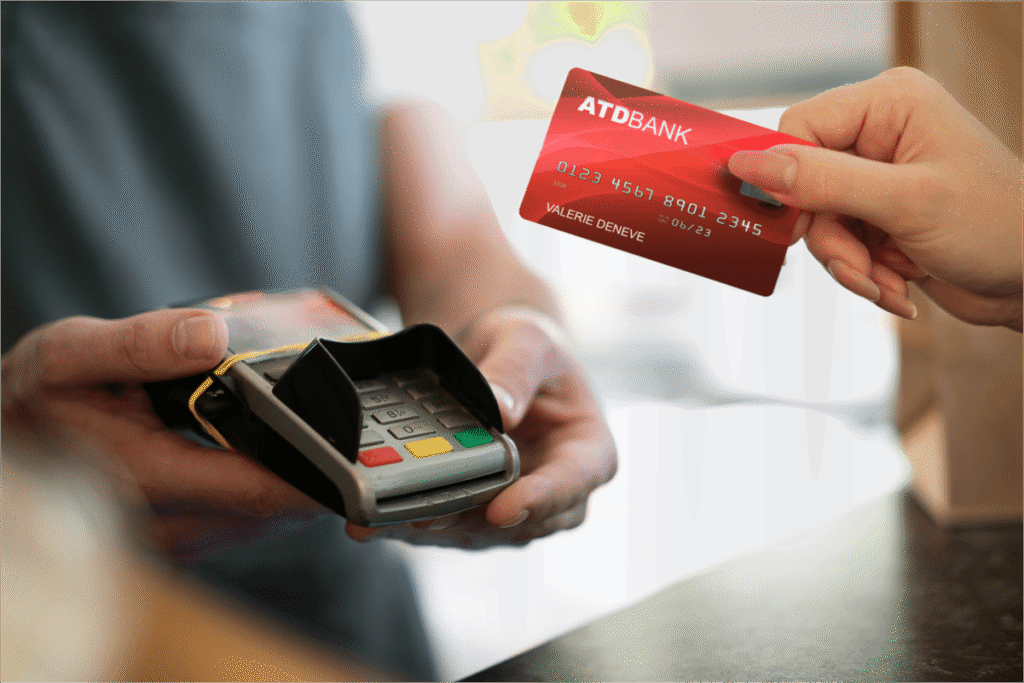

common challenges in credit card payment processing and how to overcome them
Blog

Common Challenges in Credit Card Payment Processing and How to Overcome Them

Common Challenges in Credit Card Payment Processing and How to Overcome Them Processing credit card payments is essential for any business, but it comes with unique challenges, especially for high-risk businesses. From high processing fees and fraud risks to technical issues like gateway downtime, these obstacles can impact revenue, customer trust, and overall business growth. The good news? By understanding these challenges and implementing the right strategies, businesses can overcome them, maintain secure transactions, and improve cash flow. Choosing the right payment processor, leveraging advanced technologies, and following best practices are key to success. High Processing Fees One of the first hurdles high-risk businesses face is high transaction fees. Payment processors often charge higher fees for industries with elevated risk, affecting margins and cash flow. How to Overcome It Compare payment processors: Look for providers that understand your industry and offer competitive rates. Negotiate fees: Many processors are open to negotiating based on volume or business longevity. Consider alternative payment methods: Digital wallets and direct bank transfers may lower transaction costs. Learn more about credit card payment processing solutions for high-risk businesses. Fraud and Chargebacks Fraud is a major concern in credit card processing. Unauthorized transactions can lead to chargebacks, financial losses, and even termination of a merchant account if they occur too frequently. How to Overcome It Leverage AI-powered fraud detection: Modern payment gateways use AI to monitor unusual patterns, such as mismatched billing and shipping addresses or suspicious geolocations. Follow PCI DSS compliance: Secure your systems to protect customer card data. Compliance reduces breaches and enhances trust. Clear policies and customer service: Maintain transparent refund policies and strong customer support to prevent disputes from escalating. For high-risk merchants, a merchant bank account can help manage risks and protect your business. Payment Gateway Downtime A payment gateway outage can frustrate customers and result in lost sales. Downtime may occur due to server issues, maintenance, or technical glitches. How to Overcome It Choose a reliable provider: Ensure the processor has a proven uptime history (ideally 99.9%). Have a backup gateway: Using a secondary payment gateway ensures transactions can still be processed if the primary fails. Monitor performance: Regularly check your gateway and alert systems to reduce downtime. Explore reliable payment gateway solutions for high-risk businesses. Slow Payment Settlement Times Delayed settlements can affect cash flow, especially for high-volume businesses. Payments may take several days to reflect in your account. How to Overcome It Next-day or same-day funding: Select a provider offering faster settlement options. Batch processing optimization: Submit payment batches early to speed up clearing. High-risk businesses can also integrate open banking solutions to improve settlement speed and transparency. Handling Multiple Payment Methods Customers today expect a variety of payment options, from credit/debit cards to digital wallets like Apple Pay, Google Pay, and even cryptocurrencies. Managing multiple methods can be complex without proper integration. How to Overcome It Use a payment processor that supports multiple methods. Offer alternative payment solutions alongside traditional credit card processing. Cater to customer preferences to reduce abandoned carts and lost sales. Learn more about crypto payment processing for diverse payment acceptance. Security and Compliance Protecting customer data is crucial. Breaches can lead to fines, reputational damage, and loss of trust. How to Overcome It PCI DSS compliance: Ensure your business and processor meet all security standards. Encryption & tokenization: Encrypt sensitive data and replace card numbers with tokens to prevent misuse. Regular audits: Conduct system checks to identify and patch vulnerabilities. Secure your payments with high-risk merchant bank accounts. International Transactions Accepting payments from global customers introduces challenges like currency conversion, different card networks, and regional regulations. How to Overcome It Partner with a global payment processor capable of dynamic currency conversion (DCC). Ensure multi-currency support and compliance with international regulations. Offer localized payment options to make the checkout experience smoother for international buyers. Offshore businesses can also benefit from offshore company registration for easier cross-border processing. Wrapping It Up Credit card payment processing can be complex, especially for high-risk businesses. From fees and fraud to technical issues and global payments, challenges are many. The key to success is choosing the right payment processor, adopting advanced technologies, and maintaining proactive risk management. By monitoring fees, chargebacks, and security measures, businesses can ensure smooth, secure, and reliable transactions. Remember, staying informed and prepared is the best way to overcome common hurdles in credit card payment processing. Frequently Asked Questions (FAQs) What are the common challenges in credit card payment processing? Common challenges include high processing fees, fraud and chargebacks, payment gateway downtime, slow settlements, security compliance issues, and managing international credit card transactions. Why is credit card processing expensive for high-risk businesses? Credit card processing is expensive for high-risk businesses due to higher fraud risk, frequent chargebacks, regulatory requirements, and increased financial exposure for payment processors. How can businesses reduce fraud in credit card payment processing? Businesses can reduce fraud by using AI-based fraud detection tools, maintaining PCI DSS compliance, enabling verification systems, and monitoring transactions in real time. What causes chargebacks in credit card payments? Chargebacks are commonly caused by fraud, unclear refund policies, billing errors, poor customer communication, or customers not recognizing transactions on their statements. How can payment gateway downtime affect businesses? Payment gateway downtime can lead to failed transactions, lost sales, poor customer experience, and reduced trust, especially for online and high-volume businesses. How can businesses improve credit card payment settlement times? Settlement times can be improved by choosing processors with faster funding options, submitting batches early, and using modern banking or open banking payment solutions. How can businesses improve credit card payment settlement times? Settlement times can be improved by choosing processors with faster funding options, submitting batches early, and using modern banking or open banking payment solutions. How can businesses handle international credit card transactions securely? Businesses can handle international transactions by using global payment processors that support multi-currency payments, dynamic currency conversion, and regional compliance requirements.

understanding the importance of uptime in credit card payment processing
Blog

Understanding the Importance of Uptime in Credit Card Payment Processing

Understanding the Importance of Uptime in Credit Card Payment Processing In the digital-first economy, every second matters, especially when a customer is ready to pay. Imagine a buyer reaching the checkout page, entering their card details, clicking “Pay Now”… and the payment fails. Not because they changed their mind — but because the payment system was down. That single moment of downtime can cost more than just one sale. It can affect customer trust, brand credibility, and long-term revenue. This is exactly why uptime in credit card payment processing is not just a technical metric — it’s a business-critical factor. In this guide, we’ll break down what uptime really means, why it plays such a crucial role in online and international credit card processing, and how businesses can ensure uninterrupted payment acceptance. What Is Uptime in Credit Card Payment Processing? Uptime refers to the amount of time a payment processing system remains fully operational and available for transactions. It’s usually measured as a percentage. 99% uptime = ~3.65 days of downtime per year 99.9% uptime = ~8.7 hours of downtime per year 99.99% uptime = ~52 minutes of downtime per year In credit card payment processing, uptime applies to: Payment gateways Merchant account services Transaction authorization systems Settlement and processing infrastructure When uptime drops, transactions fail — and failed transactions mean lost revenue.   Why Uptime Is Critical for Credit Card Payment Processing Uptime often goes unnoticed when everything is working smoothly. But the moment a system goes down, the impact becomes immediate and visible. Let’s explore why uptime matters so much.   1. Downtime Directly Leads to Lost Sales When your payment system is unavailable, it’s equivalent to locking your store’s doors during business hours. Customers who are ready to pay: Cannot complete transactions Abandon carts Move to competitors with smoother checkout experiences This is especially damaging for: E-commerce businesses Subscription-based platforms High-ticket or impulse purchases How uptime protects your revenue A high-uptime payment gateway ensures customers can pay anytime, anywhere. More uptime means: Fewer failed transactions Higher conversion rates Increased revenue consistency 2. Customer Experience Depends on Payment Reliability Modern customers expect instant, seamless, and secure credit card payments. Even a single error during checkout can break trust. Frequent payment failures can lead to: Frustration and negative brand perception Reduced repeat purchases Poor reviews and social media complaints How uptime builds customer trust When your online credit card payment processing works flawlessly: Customers feel confident entering card details Checkout becomes frictionless Trust grows with every successful transaction Reliable payments equal stronger customer loyalty.   3. High Transaction Volumes Demand Maximum Uptime Peak sales periods magnify the importance of uptime: Seasonal sales Flash deals Product launches International traffic surges During these moments, even minutes of downtime can result in hundreds of failed transactions. How uptime supports scalability A robust payment processing infrastructure with high availability can: Handle transaction spikes Maintain speed under pressure Prevent system overload This is especially vital for businesses using international credit card processing or operating across time zones. 4. Cash Flow Stability Depends on Payment Availability Payment downtime doesn’t just delay sales — it delays cash inflow. For businesses that rely on: Daily settlements Subscription renewals Vendor payments Even short interruptions can affect: Working capital Payroll schedules Inventory planning How uptime improves cash flow A consistently operational payment system ensures: Faster settlements Predictable revenue streams Better financial planning Reliable merchant account services help businesses maintain healthy cash flow without disruption. 5. Brand Reputation and Market Competitiveness In competitive industries, reliability is a differentiator. Customers associate payment failures with: Poor technology Lack of professionalism Security concerns And once trust is lost, it’s difficult to recover. How uptime protects your brand High uptime reinforces your image as: A professional business A reliable service provider A secure payment environment This is particularly important for offshore payment processing, where trust and compliance already play a major role. How to Ensure High Uptime in Credit Card Payment Processing Understanding the importance of uptime is step one. Implementing the right strategy is step two. Here’s how businesses can maximize uptime.   1. Choose a Payment Processor with Strong Uptime Guarantees Not all processors are equal. Look for providers that offer: 99.9% or higher uptime guarantees Transparent service level agreements (SLAs) Proven infrastructure reliability A reliable payment gateway for businesses should be built for redundancy, scalability, and global availability. 2. Monitor Your Payment System in Real Time Even with a trusted provider, monitoring is essential. Benefits of active monitoring include: Early detection of issues Faster response to outages Reduced transaction failures Many modern payment processors offer: Real-time dashboards System alerts Performance analytics 3. Use Backup Payment Gateways For businesses that cannot afford downtime, a secondary payment gateway is a smart safety net. If the primary system fails: Transactions automatically reroute Sales continue uninterrupted Customer experience remains intact While this adds cost, it significantly reduces revenue risk. 4. Keep Systems Updated and Optimized Outdated systems are more prone to: Bugs Security vulnerabilities Compatibility issues Ensure that: Your payment processor updates software regularly Your website or POS system supports those updates Security patches are applied promptly This helps maintain both uptime and secure credit card payments. Final Thoughts: Uptime Is a Growth Enabler Uptime in credit card payment processing is not just about avoiding technical issues — it’s about protecting revenue, customer trust, and business momentum. A high-availability payment system: Keeps sales flowing 24/7 Enhances customer satisfaction Strengthens brand credibility Supports long-term growth By choosing the right payment gateway, merchant account services, and offshore payment processing partner, businesses can minimize downtime and stay open for payments around the clock. Frequently Asked Questions (FAQs) What is uptime in credit card payment processing? Uptime refers to the percentage of time a payment system remains operational and able to process transactions without interruptions.   Why is high uptime important for online businesses? High uptime ensures customers can complete payments smoothly, reducing cart abandonment, lost sales, and customer frustration. What is considered good uptime for a payment gateway? An uptime of 99.9% or higher is considered the industry standard for reliable credit card payment processing.   How does downtime affect international credit card processing? Downtime can disrupt cross-border transactions, impact multiple time zones, and result

the future of reliable credit card payment processing trends to watch
Blog

The Future of Reliable Credit Card Payment Processing: Trends to Watch

The Future of Reliable Credit Card Payment Processing: Trends to Watch Credit card payment processing is no longer just about swiping a card and getting paid. For startups, high-risk merchants, and offshore businesses, it has become a strategic foundation for growth, trust, and global expansion. As customer expectations rise and regulations tighten, businesses need payment systems that are fast, secure, flexible, and reliable across borders. The future of credit card payment processing is being shaped by new technologies, changing consumer behavior, and increasing demand for seamless digital experiences. Whether you’re launching a startup, operating in a high-risk industry, or running an offshore business, understanding these trends will help you choose the right payment infrastructure and stay competitive. Let’s explore the most important trends defining the future of reliable credit card payment processing. 1. Contactless Payments Becoming a Standard, Not a Feature Contactless payments have quickly moved from “nice to have” to “expected.” Customers now prefer tap-to-pay cards, mobile wallets, and NFC-enabled devices because they are fast, convenient, and hygienic. For startups and offshore merchants, this trend means your payment processing system must support: Contactless card payments Mobile wallets like Apple Pay and Google Pay Quick authorization with minimal friction In the future, consumers will assume every in-person transaction supports contactless payments. Businesses that fail to offer this risk losing sales and credibility. Reliable credit card payment processing providers are already investing heavily in contactless-ready infrastructure. 2. AI-Powered Fraud Detection Is Redefining Security Fraud prevention is one of the biggest challenges in credit card payment processing, especially for high-risk merchants and offshore businesses. Traditional rule-based systems are no longer enough. Artificial intelligence and machine learning are transforming fraud detection by: Analyzing transaction behavior in real time Identifying unusual spending patterns instantly Adapting to new fraud tactics automatically The biggest advantage of AI-driven fraud tools is accuracy. They reduce false declines, which is critical for high-risk businesses that already face higher rejection rates. As AI evolves, payment processors will deliver stronger protection without disrupting genuine customer transactions—creating a safer and smoother checkout experience. 3. Tokenization Becoming the Backbone of Payment Security Security breaches and data leaks can destroy trust overnight. That’s why tokenization is becoming essential in modern credit card payment processing. Tokenization replaces sensitive card details with a randomly generated token that has no real value if intercepted. Even if hackers access the system, they can’t use the data. In the future: Tokenization will be standard across online and offline payments Stored card data will increasingly rely on tokens, not real numbers Compliance with security standards will become easier for merchants For offshore and high-risk merchants, tokenization offers a powerful way to strengthen security while maintaining fast transaction speeds. 4. Biometric Authentication for Smarter Payments Passwords and PINs are slowly being replaced by biometrics. Fingerprints, facial recognition, and device-based authentication are becoming common, especially in mobile payments. Biometric authentication improves credit card payment processing by: Reducing unauthorized transactions Speeding up checkout Enhancing customer confidence As consumers grow comfortable with biometrics, payment systems will integrate these methods more deeply. For businesses, this means fewer chargebacks, lower fraud risk, and stronger trust—particularly important in high-risk industries.   5. Cryptocurrency and Credit Card Processing Working Together Cryptocurrency is no longer just an experiment. While credit cards remain dominant, crypto integration is becoming a complementary payment option. Future-ready payment processors are building systems that: Accept cryptocurrency payments Instantly convert crypto into fiat currency Reduce exposure to volatility For offshore businesses, this is especially valuable. Crypto-friendly credit card payment processing opens access to global customers who prefer alternative payment methods, while still ensuring merchants receive stable payouts.   6. 5G Technology Accelerating Payment Speeds The rollout of 5G networks is quietly transforming digital payments. Faster speeds and lower latency mean payment systems can process complex transactions almost instantly. Why this matters for credit card payment processing: Real-time fraud checks without slowing checkout Faster approvals for international transactions Improved reliability during high traffic periods As payment technology becomes more data-intensive, 5G will ensure that performance keeps up with innovation. 7. Omnichannel Payment Processing Becomes Essential Customers no longer shop in one place. They browse online, buy on mobile, and return in-store. The future of credit card payment processing is omnichannel—one unified system across all platforms. An omnichannel payment solution allows: Consistent payment methods across channels Unified customer data and transaction history Seamless refunds, exchanges, and subscriptions For startups and offshore businesses scaling globally, omnichannel payment processing ensures a smooth and professional customer experience, regardless of where the transaction happens. 8. Smarter Subscription and Recurring Payment Management Subscription-based models are growing rapidly across industries, from SaaS to digital services and memberships. This trend puts new demands on credit card payment processing systems. Future-ready processors will focus on: Automated retries for failed payments Smart billing logic to reduce churn Easy card updates for expired credentials For high-risk merchants, reliable recurring payment processing can mean the difference between predictable revenue and constant payment disruptions. 9. Personalization Driven by Payment Data Payment data is becoming a powerful personalization tool. Modern credit card payment processing platforms can analyze transaction history to create more relevant customer experiences. In the future, businesses will use payment insights to: Offer targeted discounts Recognize repeat customers instantly Customize checkout flows When used responsibly and securely, personalization improves customer satisfaction and increases lifetime value—especially important for startups competing in crowded markets. Why Reliability Still Matters Most Despite all these innovations, one thing hasn’t changed: reliability is the foundation of credit card payment processing. Speed, security, and uptime remain non-negotiable. For startups, high-risk merchants, and offshore businesses, choosing the right payment processing partner means: Stable approvals across regions Strong fraud and compliance support Scalable infrastructure for growth Technology will continue to evolve, but reliable processing will always be the core requirement for success. Final Thoughts The future of credit card payment processing is smarter, faster, and more secure than ever before. From AI-powered fraud detection and biometric authentication to omnichannel solutions and crypto integration, businesses that adapt early will gain a competitive edge. If you operate

why crypto payment processing is essential for global transactions
Blog

Why Crypto Payment Processing is Essential for Global Transactions

Why Crypto Payment Processing is Essential for Global Transactions In today’s borderless digital economy, businesses are no longer limited by geography. E-commerce brands sell worldwide, SaaS companies serve global clients, and freelancers work with customers across continents. However, traditional cross-border payments remain slow, expensive, and complicated. This is where crypto payment processing changes the game. Cryptocurrencies like Bitcoin, Ethereum, and stablecoins such as Tether are transforming global transactions by making them faster, cheaper, and more accessible. Let’s explore why crypto payment processing is becoming essential for international business. Eliminates Cross-Border Payment Barriers Traditional international payments involve: Multiple intermediary banks SWIFT network delays Currency conversion fees Regulatory complications These layers create friction. How Crypto Simplifies Global Transactions Cryptocurrency payments operate on decentralized blockchain networks. That means: No intermediary banks No geographical restrictions Direct peer-to-peer transfers 24/7 availability A payment sent from India to the U.S. works the same way as one sent locally — no extra banking layers involved. Result: Faster transactions with fewer complications. Significantly Lower Transaction Fees International wire transfers and card payments often include: Currency exchange markups Cross-border processing fees Gateway fees Intermediary bank charges These costs can severely impact profit margins, especially for small and mid-sized businesses. Why Crypto Fees Are Lower Crypto payments: Bypass traditional banking networks Reduce third-party involvement Often charge minimal blockchain network fees For example, stablecoin transfers on optimized networks can cost just a fraction of traditional wire fees. For businesses operating globally, this can mean thousands of dollars saved annually. Faster Settlement Times Traditional cross-border payments can take: 2–5 business days Longer during holidays Even weeks in some regions Delayed settlements disrupt cash flow and business operations. Crypto Settlement Speed Most cryptocurrency transactions: Confirm within minutes Settle globally without banking hours Work on weekends and holidays This ensures immediate access to funds — crucial for: E-commerce businesses Freelancers Global service providers Digital product sellers Fast settlement improves liquidity and operational efficiency. Borderless & Financially Inclusive Millions of people worldwide still lack access to traditional banking systems. However, many have: Internet access Smartphones Digital wallets Crypto payment processing only requires a wallet address. What This Means for Businesses Companies can: Enter emerging markets Serve underbanked populations Expand into regions with weak banking infrastructure Instead of relying on local banking systems, businesses can accept crypto from anyone, anywhere. This opens new revenue streams in untapped markets. Avoids Currency Exchange Complications Dealing with multiple currencies introduces: Exchange rate volatility Conversion fees Accounting complexity Pricing instability Businesses operating globally must constantly manage fluctuating exchange rates. How Crypto Simplifies Currency Management When accepting cryptocurrency: Businesses can standardize pricing in crypto Avoid multiple fiat conversions Reduce exposure to exchange spreads Additionally, stablecoins like USD Coin are pegged to fiat currencies (such as the U.S. dollar), offering: Price stability Predictable value Reduced volatility risk This makes global accounting and financial planning easier. Enhanced Security and Transparency Security is a major concern in international transactions. Traditional payment systems face risks such as: Fraud Chargebacks Data breaches Identity theft Why Blockchain Is More Secure Crypto payment processing relies on blockchain technology, which offers: Encrypted transactions Immutable public ledgers Tamper-resistant records Transparent audit trails Once a transaction is confirmed on the blockchain, it cannot be reversed or altered. This reduces fraud risk and eliminates costly chargebacks for merchants. Attracts a Growing Global Customer Base Cryptocurrency adoption is no longer limited to tech enthusiasts. Today: Millions of people hold digital assets Crypto investors want to spend their holdings Younger consumers prefer decentralized finance options Major companies like Tesla and Microsoft have experimented with or integrated crypto payments. Competitive Advantage for Businesses By offering crypto payment options, businesses: Appeal to tech-savvy customers Stand out from competitors Build a forward-thinking brand image Increase global trust Accepting crypto signals innovation and adaptability. Reduced Risk of Chargebacks One of the biggest problems in global e-commerce is fraudulent chargebacks. With credit card payments: Customers can dispute transactions Merchants may lose both product and revenue Fees and penalties add up Crypto Solves This Issue Blockchain transactions are: Final once confirmed Non-reversible Transparent This dramatically reduces fraud-related losses for international businesses. 24/7 Global Payment Infrastructure Banks operate within: Business hours Time zones Public holidays Crypto networks operate: 24 hours a day 7 days a week 365 days a year For global businesses, this ensures uninterrupted payment processing — no waiting for banks to reopen. Future-Proofing Your Business Digital transformation is accelerating. Governments are exploring digital currencies. Financial institutions are integrating blockchain. Consumers are becoming more comfortable with decentralized finance. Businesses that adopt crypto payment processing today: Stay ahead of competitors Adapt faster to financial innovation Build long-term operational resilience As global commerce continues shifting toward digital assets, early adopters gain strategic advantage. Key Benefits of Crypto Payment Processing at a Glance  Lower transaction fees  Faster cross-border settlements  No intermediary banks  Reduced fraud and chargebacks  Global market access  Currency flexibility  24/7 transaction capability  Improved financial inclusion Is Crypto Payment Processing Right for Your Business? It’s especially beneficial for: E-commerce stores SaaS companies Freelancers & remote teams International service providers Digital product businesses Export/import companies If your business operates globally, crypto payments can simplify your financial operations while expanding your reach. Final Thoughts The global economy is evolving rapidly. Traditional payment systems struggle to keep up with the speed and scale of digital commerce. Crypto payment processing offers a modern solution: Faster Cheaper Borderless Secure As cryptocurrency adoption continues to grow, businesses that integrate crypto payments will gain a competitive edge in global markets. The question is no longer if crypto will shape international transactions — but how quickly businesses will adapt. If you want to stay relevant in the future of global commerce, crypto payment processing is no longer optional — it’s essential. Frequently Asked Questions (FAQs) What is crypto payment processing? Crypto payment processing is a system that allows businesses to accept digital currencies like Bitcoin, Ethereum, and stablecoins such as USD Coin for goods and services. It uses blockchain technology to process payments securely without traditional banks. How does crypto payment processing help international businesses? Crypto payment processing helps international businesses by reducing cross-border fees, enabling

how to minimize risks in crypto payment processing solutions
Blog

How to Minimize Risks in Crypto Payment Processing Solutions (Complete 2026 Guide)

How to Minimize Risks in Crypto Payment Processing Solutions (Complete 2026 Guide) Cryptocurrency is no longer a niche payment method. From eCommerce stores to SaaS platforms and global enterprises, businesses are increasingly integrating crypto payment processing solutions to enable faster, borderless, and low-fee transactions. However, accepting digital currencies like Bitcoin and Ethereum comes with certain risks — including price volatility, regulatory uncertainty, security threats, and tax complexities. The good news? With the right risk management strategies, businesses can minimize exposure and safely leverage the benefits of crypto payments. In this comprehensive guide, we’ll explore the key risks associated with cryptocurrency payment processing and practical solutions to mitigate them. Market Volatility and Price Fluctuations One of the biggest concerns in crypto payment processing is price volatility. Cryptocurrencies are known for rapid price swings. For example, Bitcoin experienced dramatic price movements in recent years, rising and falling thousands of dollars within months. Similarly, Ethereum has also shown substantial fluctuations. If a business accepts crypto and holds it, the value of the received payment may drop before conversion to fiat currency. This exposes companies to financial uncertainty and potential revenue loss. How to Minimize Volatility Risk 1. Use Instant Conversion Services Many crypto payment gateways offer automatic conversion to fiat currency (USD, EUR, INR, etc.) at the time of transaction. This eliminates exposure to price swings. Popular platforms that provide this feature include: Coinbase Commerce BitPay CoinGate These processors lock in the exchange rate at checkout, ensuring businesses receive the exact value expected. 2. Adopt Stablecoins Accepting stablecoins (like USDT or USDC) instead of volatile cryptocurrencies can significantly reduce price risk. 3. Set Treasury Policies Businesses can convert a portion of crypto into fiat immediately while holding a smaller percentage as a long-term asset. Regulatory Uncertainty and Compliance Risks Cryptocurrency regulations vary widely across countries. Some nations fully regulate crypto, while others restrict or ban its use. This regulatory fragmentation creates compliance challenges for businesses operating internationally. For example: China has imposed strict bans on crypto transactions. El Salvador adopted Bitcoin as legal tender. Regulatory changes can impact taxation, reporting requirements, and transaction legality. How to Reduce Regulatory Risk 1. Stay Updated on Local Laws Monitor government announcements and financial authority guidelines in every market you operate in. 2. Work with Licensed Payment Processors Use processors that implement KYC (Know Your Customer) and AML (Anti-Money Laundering) compliance procedures. Examples include: BitPay Paxful 3. Consult Legal Experts Partner with legal professionals specializing in crypto regulations to avoid penalties and ensure full compliance. Proactive compliance reduces the risk of fines, account freezes, or reputational damage. Security and Fraud Risks in Crypto Payments While blockchain technology is secure by design, crypto-related cybercrime continues to rise. Hackers target exchanges, wallets, and payment gateways to exploit vulnerabilities. Businesses accepting crypto must understand that digital assets, once stolen, are extremely difficult to recover. Key Security Measures to Implement Here are best practices for minimizing crypto fraud risk:  Cold Storage Wallets   Cold wallets store cryptocurrency offline, protecting assets from online attacks. They are ideal for holding larger balances.  Multi-Signature Wallets Multi-signature wallets require multiple approvals before a transaction is processed. This reduces internal fraud and unauthorized transfers.  Two-Factor Authentication (2FA) Enable 2FA for all payment dashboards and wallet access. Trusted platforms offering strong security infrastructure include: Binance BitPay Employee Training Many breaches occur due to phishing attacks. Educating staff about suspicious emails and fake login portals can prevent costly mistakes. Irreversible Transactions and Refund Challenges Unlike credit card payments, crypto transactions are irreversible. Once confirmed on the blockchain, they cannot be reversed. While this eliminates chargeback fraud, it introduces challenges for customer refunds and dispute resolution. How to Manage Refund Risks 1. Create a Clear Refund Policy Display refund terms clearly on your website before checkout. 2. Offer Multiple Payment Options Provide traditional methods (cards, PayPal) alongside crypto to accommodate hesitant customers. 3. Manual Refunds If needed, issue refunds in the same cryptocurrency at the current exchange rate. Transparent policies help maintain trust while protecting business interests. Customer Knowledge Gaps Crypto payments are still unfamiliar to many consumers. Errors like sending funds to the wrong wallet address or selecting the wrong network can cause permanent loss. How to Improve Customer Experience  Provide Step-by-Step Checkout Instructions Clear guidance reduces confusion and transaction errors.  Offer Live Customer Support Provide chat or email support specifically for crypto transactions. Platforms like Coinbase Commerce focus heavily on user-friendly checkout experiences, making transactions smoother for beginners.  Use QR Codes QR codes reduce manual wallet entry errors and simplify mobile payments. Taxation and Accounting Complexities Crypto taxation can be complicated. In some countries, cryptocurrency is treated as property, meaning each transaction may trigger capital gains reporting requirements. Tracking the value of each transaction at the time of payment can be challenging, especially for high-volume businesses. How to Simplify Crypto Accounting 1. Use Crypto Accounting Software Tools like: CoinTracking CryptoTrader.Tax These platforms automatically calculate gains, losses, and generate tax-ready reports. 2. Maintain Detailed Records Store transaction hashes, timestamps, exchange rates, and wallet addresses. 3. Work with a Crypto-Savvy Accountant Professional guidance ensures accurate reporting and reduces audit risks. Additional Risk Mitigation Best Practices Beyond the major risks discussed, businesses should also consider: Conducting regular security audits Diversifying accepted cryptocurrencies Implementing transaction monitoring tools Setting daily transaction limits Using smart contracts where applicable Proactive monitoring and strategic planning significantly reduce exposure to operational risks. The Future of Secure Crypto Payment Processing   Despite its challenges, cryptocurrency is reshaping the global payment ecosystem. Benefits such as lower transaction fees, faster cross-border transfers, financial inclusion, and fraud resistance make crypto an attractive option for modern businesses. By implementing structured risk management strategies — including instant conversion, regulatory compliance, strong cybersecurity measures, customer education, and proper accounting tools — companies can confidently integrate crypto payments into their operations. Crypto is not just a trend. It is rapidly becoming a core component of digital commerce infrastructure. Final Thoughts Minimizing risks in crypto payment processing solutions is not about avoiding cryptocurrency altogether

how to get merchant account approval for cbd business
Blog

How to Get Merchant Account Approval for CBD Business: A Step-by-Step Guide

How to Get Merchant Account Approval for CBD Business: A Step-by-Step Guide The CBD market continues to expand rapidly as consumers increasingly turn to wellness-based products. However, while demand is growing, many CBD entrepreneurs face one major obstacle: Getting approved for a CBD merchant account. Because CBD businesses are classified as high-risk, traditional banks and payment processors often reject applications. Without a reliable merchant account, accepting credit card payments becomes nearly impossible — limiting your growth potential. In this complete step-by-step guide, you’ll learn how to secure CBD merchant account approval, reduce rejection risks, and build a stable payment infrastructure for long-term success. What Is a CBD Merchant Account? A CBD merchant account is a high-risk payment processing account that allows CBD businesses to legally accept credit card, debit card, and online payments. Since CBD is associated with cannabis and subject to evolving regulations, most traditional banks categorize it as high-risk. Specialized payment providers are required to approve and manage these accounts. How to Get a CBD Merchant Account Approved (Quick Steps) Choose a high-risk payment processor that supports CBD. Ensure full legal compliance (THC limits, lab reports, licensing). Prepare complete business documentation. Optimize your website for compliance and transparency. Implement b chargeback prevention strategies. Approval typically takes 3–10 business days with an experienced high-risk provider. Why CBD Businesses Are Considered High Risk Even in regions where CBD is legal, financial institutions remain cautious. Here’s why: 1. Regulatory Uncertainty CBD laws differ across countries and states. THC thresholds, labeling rules, and advertising restrictions frequently change, increasing compliance risk. 2. Higher Chargeback Ratios CBD businesses often experience disputes due to: Customer misunderstanding of effects Shipping delays Subscription billing confusion High chargebacks increase risk for processors. 3. Cannabis Association Even though CBD is non-psychoactive, its association with cannabis creates hesitation among conservative banks. 4. Marketing Restrictions Advertising limitations affect predictable revenue streams, which banks evaluate during underwriting. Because of these factors, CBD merchants must work with high-risk specialists like Offshore UniPay that understand compliance and industry challenges. Step-by-Step Guide to Getting Approved   Step 1: Choose a High-Risk CBD Payment Processor The most important decision you’ll make is selecting the right provider. Traditional banks: Often reject CBD applications May terminate accounts unexpectedly Lack cannabis compliance expertise A specialized provider such as Offshore UniPay offers: High approval rates Offshore and domestic options Multi-currency processing Chargeback management tools Global merchant solutions Choosing the wrong processor is the leading cause of merchant account rejection. Step 2: Ensure Full Legal Compliance Before applying, confirm your business meets all regulatory standards. Required Documentation Includes: Certificate of incorporation Business licenses Director/shareholder ID Lab test reports (COA) THC compliance proof Supplier agreements Refund & return policies Bank statements Make sure your products: Clearly display THC levels Avoid unapproved medical claims Include proper disclaimers Proper documentation speeds up underwriting. Step 3: Present a b Business Model Underwriters evaluate your financial stability and risk level. You should provide: Clear product categories Sales channels (eCommerce, retail, subscription) Revenue projections Marketing strategy Fraud prevention plan Chargeback mitigation strategy Transparency builds trust and increases approval chances. Step 4: Optimize Your Website for Compliance   Your website will be reviewed during the approval process. Make sure it includes:  Terms & Conditions Clearly defined policies covering returns, refunds, and shipping.  Privacy Policy & Compliance Pages Include data protection compliance (GDPR if applicable).  Secure SSL Certificate Your website must use HTTPS encryption.  Detailed Product Information Include ingredients, usage instructions, disclaimers, and lab results. A professional, compliant website significantly improves approval rates. Step 5: Understand Rolling Reserves Most CBD merchant accounts require a rolling reserve. A rolling reserve: Holds 5–15% of sales Is typically retained for 90–180 days Covers potential chargebacks This is standard in high-risk industries and should be factored into cash flow planning. Step 6: Reduce Chargebacks Proactively Chargebacks are one of the biggest threats to CBD merchant accounts. To minimize disputes: Use clear billing descriptors Provide accurate product descriptions Offer responsive customer support Implement fraud prevention tools Use 3D Secure authentication Many high-risk providers offer built-in fraud management systems tailored for CBD businesses. Offshore vs Domestic CBD Merchant Accounts If domestic banks decline your application, offshore merchant accounts can be an alternative. Offshore Merchant Account Benefits: Higher approval rates Multi-currency support Global customer reach Flexible underwriting Potential Drawbacks: Slightly higher processing fees Longer settlement times Rolling reserves For international CBD brands, offshore solutions provide flexibility and stability. Common Reasons CBD Merchant Applications Get Rejected Avoid these costly mistakes:  Hiding That You Sell CBD Full transparency is mandatory. Misrepresentation can result in permanent blacklisting.  No Lab Testing Documentation Underwriters require proof of THC compliance.  Poor Website Structure Missing policies and disclaimers raise red flags.  High Existing Chargeback Ratios If your previous processor shows excessive disputes, approval becomes difficult. How Much Do CBD Merchant Accounts Cost? Because CBD is high-risk, expect: 4%–8% per transaction 5%–15% rolling reserve Monthly gateway fees Possible setup fees Rates depend on your business volume, location, and risk profile. While fees are higher than low-risk industries, stable processing is critical for growth. How Long Does Approval Take? When working with an experienced high-risk provider: 3–10 business days on average Faster if documentation is complete Delays occur when compliance documents are missing Preparation makes all the difference. Final Thoughts Getting approved for a CBD merchant account isn’t impossible — but it requires preparation, transparency, and the right payment partner. To maximize approval chances:  Work with a high-risk specialist  Ensure complete legal compliance  Maintain low chargeback ratios  Optimize your website  Prepare b documentation With the right strategy and provider, your CBD business can enjoy stable payment processing, global reach, and long-term growth without fear of sudden account termination. Frequently Asked Questions (FAQs) What is a CBD merchant account? A CBD merchant account is a specialized high-risk payment processing account that allows CBD businesses to accept credit card, debit card, and online payments legally. Because CBD is classified as high-risk, merchants must work with providers that understand compliance, chargeback management, and cannabis-related regulations. Why is CBD considered high risk

how to open a merchant account for online gambling business
Blog

How to Open a Merchant Account for Online Gambling Business: A Comprehensive Guide

How to Open a Merchant Account for Online Gambling Business: A Comprehensive Guide The online gambling industry is expanding rapidly across global markets. From online casinos and poker platforms to sports betting websites, digital gaming businesses are generating billions in revenue each year. However, one of the biggest challenges operators face is securing a reliable online gambling merchant account. Because gambling is categorized as a high-risk industry, traditional banks and payment processors often decline applications. That’s why businesses must look for specialized Gambling Merchant Account Solutions that understand the regulatory and risk environment of the gaming industry. In this detailed guide, we’ll explain how to successfully open a high risk gambling merchant account and what you must prepare to increase approval chances. Why Online Gambling Merchant Accounts Are Considered High-Risk Before applying, it’s important to understand why banks treat gambling differently from other industries. 1. High Chargeback Ratios Online gambling businesses experience more chargebacks than traditional eCommerce. Players may dispute transactions after losing bets or claim unauthorized use of cards. A high chargeback ratio increases risk for acquiring banks. 2. Fraud & Payment Disputes Gambling platforms often deal with: Card-not-present fraud Bonus abuse Identity fraud Friendly fraud Account takeover attempts These risks require advanced fraud prevention systems. 3. Regulatory Complexity Each country has different gambling laws. Some jurisdictions allow licensed operations, while others prohibit online gaming completely. Payment processors must ensure compliance before approving an online gaming merchant account. Because of these risks, operators need specialized offshore gambling merchant account providers that understand global gaming regulations. Step-by-Step Guide to Getting a High Risk Gambling Merchant Account Step 1: Secure Proper Gambling Licensing Licensing is the foundation of approval. Before applying for a casino merchant account or sports betting merchant account, you must obtain a valid gambling license from a recognized jurisdiction. Popular licensing jurisdictions include: Curacao Malta Isle of Man Gibraltar UK Without licensing, most high-risk acquirers will reject your application immediately. Step 2: Ensure AML & KYC Compliance High-risk processors require strict compliance with: Anti-Money Laundering (AML) regulations Know Your Customer (KYC) procedures Age verification policies Responsible gaming measures Your website must clearly display: Terms & Conditions Privacy Policy Refund Policy Responsible Gambling Policy AML compliance statement A compliant platform increases trust with payment providers offering Gambling Merchant Account Solutions. Step 3: Choose the Right High Risk Gambling Merchant Account Provider Not every payment processor supports online betting or casino transactions. When selecting a provider, ensure they offer:  Dedicated high risk gambling merchant account support  Global card processing  Multi-currency acceptance  Fraud monitoring tools  Chargeback management solutions  Rolling reserve transparency Specialized providers understand MCC 7995 classification and gambling transaction compliance. If you are looking for reliable and scalable Gambling Merchant Account Solutions, choosing an experienced offshore payment provider is critical for long-term stability. Step 4: Prepare Required Documentation To get approval for an offshore gambling merchant account, you must submit proper documentation. Business Documents Certificate of Incorporation Director & shareholder details Business address proof Licensing Documents Gambling license certificate Regulatory approvals Financial Documents Bank statements (3–6 months) Processing history (if available) Projected monthly volume Website Compliance Ensure your platform has: SSL encryption (HTTPS) Clear deposit & withdrawal policies Transparent bonus terms Incomplete documentation is one of the biggest reasons for merchant account rejection. Step 5: Integrate a Gambling-Friendly Payment Gateway   A merchant account alone is not enough. You need a payment gateway that supports online casino and sports betting transactions. Important Gateway Features: Multi-currency support 3D Secure authentication CVV verification Tokenization Recurring billing support Real-time fraud detection A properly integrated system reduces risk and improves approval stability. Step 6: Understand High-Risk Merchant Fees High-risk accounts come with different pricing structures compared to standard businesses. Typical Costs Include: Processing fees: 3% – 8% per transaction Rolling reserve: 5% – 10% held for 90–180 days Chargeback fees Monthly gateway fees Minimum processing volume requirements Negotiating favorable terms with your online gaming merchant account provider is essential. Step 7: Implement Fraud Prevention & Chargeback Control Chargebacks are the biggest threat to gambling businesses. To maintain your high risk gambling merchant account, you must: Use 3D Secure 2.0 Monitor IP & geolocation Implement velocity checks Use chargeback alert systems Offer fast customer support Keeping your chargeback ratio under control protects your processing relationship. Step 8: Diversify Your Payment Methods Smart operators don’t rely on a single merchant account. Consider offering: Credit & debit cards E-wallets Bank transfers Alternative local payment methods Cryptocurrency options Multiple payment channels reduce business disruption and improve player experience. Common Reasons Gambling Merchant Applications Get Declined Avoid these mistakes: No valid gambling license High historical chargeback ratio Poor website compliance Misleading bonus terms Unrealistic revenue projections Lack of AML policies Transparency and preparation significantly improve approval chances. Benefits of Professional Gambling Merchant Account Solutions for Online Casinos   Working with a specialized provider allows you to: Accept global deposits Process high transaction volumes Support multi-currency payments Reduce fraud exposure Scale internationally Protect cash flow If you want stable, secure, and scalable payment processing, explore professional Gambling Merchant Account Solutions designed specifically for online casinos and sports betting platforms. By partnering with an experienced offshore processor, you ensure smooth transactions, reduced risk, and uninterrupted business operations. Final Thoughts Opening an online gambling merchant account is not as simple as opening a regular eCommerce account. Because gambling is classified as high-risk, approval requires: Proper licensing Full AML & KYC compliance Strong fraud prevention systems Transparent business operations A specialized high-risk payment partner With the right preparation and the right Online Gaming Merchant Account Solutions, your casino or sports betting platform can process payments securely while maintaining regulatory compliance. In a competitive global gambling market, secure and reliable payment processing is not just important — it is the foundation of your business success.  Stop Losing Revenue to Payment Declines & Frozen Funds If your casino, sportsbook, or betting platform is facing declined applications, rolling reserves, frozen funds, or high chargebacks — you don’t need a traditional bank. You need a Specialized High Risk Gambling Merchant Account built specifically for online gaming businesses. Every single day without a reliable payment

how to choose the right merchant account for your dating site
Blog

How to Choose the Right Merchant Account for Your Dating Site

How to Choose the Right Merchant Account for Your Dating Site Running a successful dating platform is not just about matching people — it’s also about creating a secure and smooth payment experience. Because dating websites are typically categorized as high-risk businesses, finding the right merchant account can be challenging. From recurring subscription billing to higher chargeback ratios and fraud risks, dating platforms require specialized payment processing solutions. Choosing the right merchant account ensures secure transactions, protects revenue, and builds long-term customer trust. In this complete guide, you’ll learn how to choose the best merchant account for your dating site, what features to look for, and how to reduce payment-related risks. Why Dating Sites Need a Specialized Merchant Account A merchant account allows your business to accept credit card and debit card payments online. While most eCommerce businesses can use standard payment processing services, dating platforms face unique challenges: Higher chargeback rates Subscription-based billing models Sensitive user data handling International transactions Increased fraud attempts Because of these factors, dating websites are often classified as high-risk merchants by banks and payment processors. A regular merchant account may decline your application or terminate your account unexpectedly. A high-risk merchant account is specifically designed to handle these challenges. It offers enhanced fraud monitoring, flexible underwriting, and tools tailored for subscription businesses. Key Factors to Consider When Choosing a Merchant Account Selecting the right merchant account requires careful evaluation. Below are the most important factors to consider. 1. High-Risk Industry Support Not all providers accept dating businesses. Many traditional payment processors avoid high-risk industries altogether. Choose a provider that: Specializes in high-risk merchant accounts Has experience working with dating or subscription-based platforms Offers flexible approval processes Understands compliance requirements Working with an experienced provider increases your approval chances and reduces the risk of sudden account shutdowns. 2. Secure and Reliable Payment Gateway   Your payment gateway acts as the bridge between your website and the payment processor. For dating platforms, this must be secure, fast, and user-friendly. Look for these essential features: Multiple Payment Options Credit cards Debit cards Digital wallets International payment methods Offering diverse payment options reduces checkout friction and improves conversion rates. Advanced Security Measures Data encryption Tokenization 3D Secure (3DS) authentication PCI-DSS compliance Security is critical, especially since dating platforms handle sensitive personal information. Recurring Billing Support Most dating sites operate on subscription models. Your gateway must support: Automated recurring billing Free trial conversions Easy subscription upgrades/downgrades Retry logic for failed payments Without proper recurring billing tools, managing subscriptions can become complex and error-prone. 3. Strong Chargeback Management Tools Chargebacks are one of the biggest challenges for dating platforms. Users may dispute charges due to: Subscription misunderstandings Forgotten renewals Fraudulent transactions Impulse sign-ups An ideal high-risk merchant account should provide: Real-time chargeback alerts Chargeback prevention tools Representment assistance Fraud monitoring systems Reducing chargebacks protects your revenue and prevents penalties from card networks. 4. Transparent Pricing Structure High-risk accounts usually come with higher processing fees. However, hidden charges can significantly increase costs. Before signing up, review: Setup fees Monthly fees Processing rates Rolling reserves Chargeback fees Early termination penalties Choose a provider that offers clear and transparent pricing. This helps you forecast expenses accurately and avoid unexpected financial strain. Must-Have Features in a High-Risk Merchant Account When comparing providers, prioritize these essential features: 1. High Approval Rates Dating sites often struggle with approvals. A provider experienced in high-risk industries typically offers: Faster onboarding Flexible underwriting Better approval odds This is especially important for startups or newly launched platforms. 2. Global Payment Support If your dating platform targets international users, global processing is crucial. Your merchant account should support: Multi-currency transactions International card acceptance Cross-border payments Localized checkout experiences This expands your reach and improves user satisfaction worldwide. 3. Advanced Fraud Prevention Tools Dating websites are frequent targets for online fraud. Choose a provider that offers: AI-powered fraud detection IP monitoring Velocity checks Device fingerprinting Blacklist and whitelist controls These tools help prevent fraudulent sign-ups, stolen card usage, and fake accounts. 4. 24/7 Dedicated Customer Support Payment issues can happen at any time. If your payment system goes down, your revenue stops immediately. Reliable providers offer: 24/7 technical support Dedicated account managers Fast dispute resolution Ongoing risk consultation Strong support ensures minimal downtime and quick problem resolution. Step-by-Step Process to Secure the Right Merchant Account   Here’s how you can successfully obtain the right merchant account for your dating site: Step 1: Research and Compare Providers Start by identifying companies that specialize in high-risk industries. Compare: Pricing models Industry reputation Client reviews Approval timeframes Risk management tools Avoid choosing solely based on low fees. Reliability and expertise matter more. Step 2: Prepare Required Documentation High-risk merchant accounts require more documentation than standard accounts. Be prepared to submit: Business registration documents Valid identification Financial statements Website terms and privacy policy Refund policy Sales projections Providing accurate and complete documentation increases your chances of approval. Step 3: Customize Fraud Settings Work closely with your provider to configure fraud prevention tools according to your business model. For example: Set stricter verification for high-value subscriptions Enable 3D Secure for international transactions Monitor suspicious IP addresses Customized risk management helps reduce chargebacks and fraud losses. Step 4: Test the Payment Gateway Before going live, thoroughly test your payment system: Run test transactions Verify subscription billing cycles Confirm refund processing Check mobile responsiveness Ensure secure data handling A smooth checkout process improves trust and conversion rates. Why the Right Payment Gateway Matters for Dating Sites A well-optimized payment gateway directly impacts your platform’s success. 1. Reduces Cart Abandonment A complicated or slow checkout process discourages users from completing payments. Fast and seamless transactions increase subscription sign-ups. 2. Builds User Trust Security features like encryption and 3D Secure reassure users that their information is safe. 3. Supports Subscription Growth Recurring billing tools allow you to: Offer monthly or annual plans Provide promotional trials Automate renewals Scale revenue efficiently Common Mistakes to Avoid Many dating site owners make costly mistakes when choosing a merchant account. Avoid these: Choosing the

crypto payment processing in the uk
Blog

Crypto Payment Processing in the UK: 10 Essential Things You Should Know

Crypto Payment Processing in the UK: 10 Essential Things You Should Know The demand for crypto payment processing in the UK is accelerating as businesses look for faster, borderless, and cost-effective transaction methods. With rising cryptocurrency adoption and evolving financial regulations, accepting digital assets like Bitcoin and Ethereum is no longer experimental — it’s strategic. If you’re considering integrating a crypto payment gateway in the UK, this guide breaks down everything you need to know. 1. What Is Crypto Payment Processing? Crypto payment processing allows businesses to accept digital currencies securely while simplifying blockchain transactions. How Crypto Payment Gateways Work A crypto payment gateway: Accepts cryptocurrency from the customer Verifies the transaction on the blockchain Converts crypto into GBP (optional) Deposits funds into your bank account This eliminates the need for businesses to manage private wallets or technical blockchain infrastructure. Popular Cryptocurrencies Accepted in the UK Most processors support: Bitcoin Ethereum Tether Litecoin Some also include altcoins like: XRP Dogecoin 2. Legal and Regulatory Compliance in the UK Regulation is critical when adopting crypto payments. FCA Registration Requirements Crypto-related businesses must comply with the Financial Conduct Authority regulations. This includes: AML (Anti-Money Laundering) compliance KYC (Know Your Customer) verification Suspicious transaction monitoring Record keeping Why Compliance Matters for Businesses Protects against legal penalties Builds customer trust Prevents financial crime risks Ensures smooth banking relationships Choosing a compliant processor protects your operations long-term. 3. Choosing the Right Cryptocurrencies to Accept Not all cryptocurrencies drive equal demand. Major Coins vs Altcoins Major coins = Higher trust & liquidity Altcoins = Niche audience appeal Starting with Bitcoin and Ethereum is generally safest for UK merchants. Stablecoins for Volatility Protection Stablecoins like USDT are pegged to fiat currencies, helping reduce price fluctuations during transactions. 4. Transaction Fees and Cost Comparison Lower fees are a major advantage of crypto payment processing in the UK. Traditional Payment Fees Credit cards: 2–3% per transaction International payments: Even higher Crypto Payment Processing Fees Typically 0.5–1% No chargebacks Lower cross-border costs Always review: Blockchain network fees Gateway service fees Withdrawal costs Transparent pricing ensures predictable margins. 5. Managing Cryptocurrency Volatility Crypto prices fluctuate rapidly. Instant Fiat Conversion Many UK processors offer: Automatic GBP settlement Real-time exchange rate locking Same-day bank transfers Holding Crypto as an Investment Strategy Some businesses choose to retain a percentage of crypto payments as a long-term digital asset strategy. Your decision depends on risk tolerance and financial planning. 6. Security Standards in Crypto Payment Processing Security remains one of the biggest concerns. Core Security Features to Look For End-to-end encryption Multi-factor authentication (MFA) Cold wallet storage Real-time blockchain monitoring Preventing Fraud and Hacks Since crypto transactions are irreversible: Choose processors with fraud detection Verify security audits Confirm insurance coverage A secure infrastructure protects both revenue and reputation. 7. Integration with E-Commerce Platforms Seamless integration increases adoption rates. Supported Platforms Many UK crypto gateways support: Shopify WooCommerce Magento Custom APIs Benefits of Easy Integration Faster checkout Better user experience Reduced development costs Higher conversion rates Plug-and-play options are ideal for small and medium businesses. 8. International Expansion Through Crypto Payments Crypto payments are borderless by design. Eliminating Currency Conversion Barriers Cryptocurrency: Removes foreign exchange complications Speeds up international transactions Reduces banking delays Enhancing Global Customer Experience Customers pay in crypto, while you receive GBP — creating a seamless global commerce model. 9. Customer Support and Technical Assistance Technology adoption requires reliable support. What to Expect from a Good Provider 24/7 support Dedicated account management Developer documentation Onboarding training Why Support Matters Fast technical assistance prevents revenue loss during system  10. Reputation and Market Credibility Trust determines long-term success. Evaluating a Payment Processor’s Track Record Check: FCA registration status Online reviews Case studies Industry partnerships Security history Established blockchain payment processors often have stronger infrastructure and better uptime reliability. How to Select the Best Crypto Payment Processor in the UK   When comparing providers, evaluate: Compliance & Regulation Ensure FCA alignment. Cost Structure Transparent fees with no hidden charges. Security Measures Strong encryption and fraud prevention. Integration Capabilities Compatible with your existing tech stack. Customer Support Accessible and knowledgeable assistance. Final Thoughts Crypto payment processing in the UK is transitioning from an emerging trend to a competitive necessity. Businesses that adopt early can reduce costs, expand internationally, and attract modern customers. With proper compliance, strong security, and the right integration partner, cryptocurrency payments can future-proof your payment infrastructure. Frequently Asked Questions (FAQs) Is crypto payment processing legal in the UK? Yes, crypto payment processing is legal in the UK. However, businesses must comply with regulations set by the Financial Conduct Authority (FCA). Crypto service providers must follow Anti-Money Laundering (AML) and Know Your Customer (KYC) requirements to operate legally. Do I need FCA approval to accept cryptocurrency payments? If you are simply accepting crypto as payment for goods or services, you typically do not need direct FCA registration. However, if your business provides crypto-related financial services, registration with the FCA may be required. How do crypto payment gateways convert crypto to GBP? When a customer pays in cryptocurrency, the payment gateway locks in the exchange rate in real time and converts the crypto into GBP instantly (if enabled). The converted amount is then transferred to your business bank account, protecting you from market volatility.   Are crypto transactions cheaper than credit card payments? In many cases, yes. Traditional credit card processing fees range from 2% to 3%, while crypto payment processing fees are often between 0.5% and 1%. Additionally, crypto payments eliminate chargeback risks. How long do crypto payments take to settle in the UK? Settlement time depends on the blockchain network and the processor’s policies. Some gateways offer instant settlement to GBP, while others may take a few minutes to confirm transactions on the blockchain before releasing funds. Is crypto payment processing secure? Yes, when using a reputable provider. Secure crypto payment processors use encryption, multi-factor authentication (MFA), and blockchain verification to protect transactions. However, businesses should always verify security standards before choosing a provider. Can small businesses in the

Scroll to Top