OFFSHORE UNIPAY

Author name: kalyan.kumary0987@gmail.com

Uncategorized

Enhancing E-commerce Payment Experiences: Strategies for Success

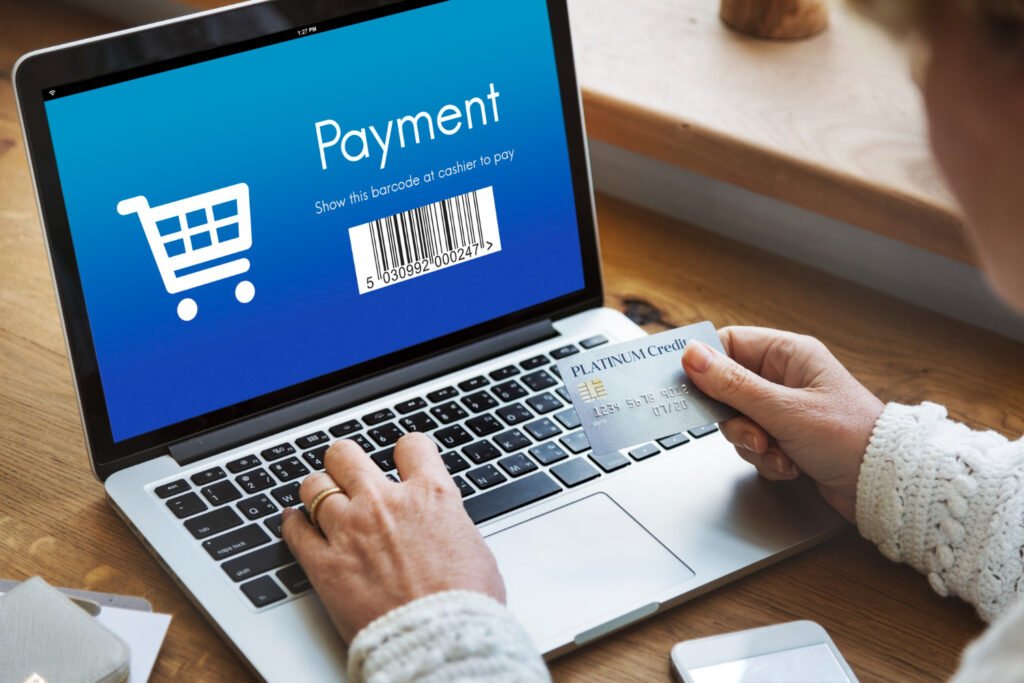
Enhancing E-commerce Payment Experiences: Strategies for Success Introduction E-commerce has revolutionized the way consumers shop, offering convenience, variety, and accessibility. As the e-commerce landscape continues to evolve, providing a seamless payment experience is crucial for attracting and retaining customers. OffshoreUnipay.com specializes in enhancing e-commerce payment experiences, offering tailored solutions that optimize transaction processes and drive business growth. This blog explores effective strategies for improving e-commerce payment experiences and maximizing customer satisfaction. The Importance of Seamless Payment Experiences 1. Reducing Checkout Friction: Simplifying the checkout process is essential for reducing cart abandonment rates and improving conversion rates. OffshoreUnipay.com provides streamlined payment solutions that offer multiple payment options, guest checkout features, and one-click payment functionalities to enhance user experience. 2. Ensuring Security and Trust: Building trust is paramount in e-commerce transactions. OffshoreUnipay.com implements stringent security measures, including PCI DSS compliance, encryption technologies, and fraud prevention tools, to safeguard sensitive customer data and instill confidence in online shoppers. 3. Optimizing for Mobile Devices: With the increasing use of smartphones for online shopping, optimizing payment experiences for mobile devices is critical. OffshoreUnipay.com offers responsive payment gateways and mobile-friendly interfaces that ensure seamless navigation and payment processing on any device. Strategies for Success in E-commerce Payments 1. Personalizing Payment Experiences: Tailoring payment experiences based on customer preferences and shopping behaviors can enhance engagement and satisfaction. OffshoreUnipay.com provides customizable payment solutions that allow businesses to offer personalized promotions, loyalty programs, and targeted payment options. 2. Integrating with E-commerce Platforms: Seamless integration with popular e-commerce platforms such as Shopify, WooCommerce, and Magento simplifies payment processing for online retailers. OffshoreUnipay.com offers plug-and-play integrations and developer-friendly APIs that facilitate seamless connectivity and scalability. The Role of OffshoreUnipay.com in E-commerce Success 1. Comprehensive Support and Expertise: OffshoreUnipay.com provides comprehensive support and expertise in e-commerce payment processing, helping businesses navigate complexities and optimize transaction workflows. From integration and customization to ongoing support and security enhancements, OffshoreUnipay.com ensures a seamless payment experience for businesses and their customers. 2. Driving Business Growth: By enhancing e-commerce payment experiences, OffshoreUnipay.com enables businesses to drive growth, improve customer retention, and gain a competitive edge in the digital marketplace. With tailored payment solutions and proactive support, OffshoreUnipay.com empowers businesses to achieve their e-commerce goals effectively. Conclusion Enhancing e-commerce payment experiences is essential for meeting customer expectations and driving business success. OffshoreUnipay.com is committed to providing innovative payment solutions that streamline transactions, ensure security, and elevate customer satisfaction in the evolving e-commerce landscape. By leveraging tailored payment strategies and cutting-edge technologies, businesses can optimize their e-commerce payment experiences and thrive in a competitive digital environment. Get a Free Consultation Frequently Asked Questions (FAQs) What is an e-commerce payment experience? An e-commerce payment experience refers to how smoothly and securely customers can complete payments on an online store. A seamless experience reduces friction, prevents cart abandonment, and improves customer satisfaction. Why is a seamless payment experience important for online businesses? A seamless payment experience helps reduce checkout friction, build trust, prevent fraud, and increase conversion rates, ultimately driving business growth and customer loyalty How can OffshoreUnipay.com enhance my e-commerce payment experience? OffshoreUnipay.com offers secure and customizable payment solutions, mobile-friendly gateways, fraud prevention tools, and integrations with popular e-commerce platforms, ensuring smooth transactions and improved customer satisfaction. Can OffshoreUnipay.com handle mobile payments? Yes. OffshoreUnipay.com provides mobile-optimized payment gateways that ensure seamless navigation and payment processing across smartphones and tablets.   Which payment methods can I offer with OffshoreUnipay.com? You can accept multiple payment options including credit/debit cards, digital wallets, ACH payments, and even cryptocurrencies (depending on your account setup), providing flexibility for your customers.   Does OffshoreUnipay.com support high-risk or international businesses? Yes. OffshoreUnipay.com offers solutions for high-risk industries and supports global transactions, including multi-currency payments, helping businesses expand internationally. How does OffshoreUnipay.com help prevent fraud? OffshoreUnipay.com implements advanced security measures, including PCI DSS compliance, encryption technologies, and real-time fraud monitoring, to protect sensitive customer data and reduce chargebacks.


Uncategorized

High-Risk Merchant Accounts: What You Need to Know

High-Risk Merchant Accounts: What You Need to Know Introduction High-risk merchant accounts are specialized payment processing solutions for businesses operating in industries with elevated financial, legal, or chargeback risks. Sectors such as Forex trading, cryptocurrency platforms, online gaming, adult services, IPTV, CBD, and subscription-based businesses often struggle to obtain traditional merchant accounts. OffshoreUnipay.com helps high-risk businesses accept payments globally while maintaining security, compliance, and transaction stability. What Defines a High-Risk Business? A business is categorized as high-risk when it shows characteristics such as: High chargeback ratios International or offshore operations Recurring billing models High-ticket transactions Regulatory or compliance challenges Traditional banks often reject these businesses, making high-risk merchant accounts essential. Why High-Risk Merchant Accounts Are Necessary 1. Reliable Payment Processing Standard merchant accounts face sudden shutdowns High-risk accounts are designed for industry-specific risks OffshoreUnipay.com ensures uninterrupted payment acceptance 2. Chargeback & Fraud Management High-risk industries face frequent disputes OffshoreUnipay.com offers: Real-time fraud monitoring Chargeback alerts Risk mitigation tools 3. Global Transaction Support Accept international payments Multi-currency processing Suitable for offshore and cross-border businesses Key Features of a High-Risk Merchant Account High approval rate Secure payment gateway Fraud prevention systems Chargeback management tools Multi-currency and global coverage Scalable transaction limits How to Choose the Right High-Risk Merchant Account Provider Important Selection Criteria Experience with high-risk industries Strong fraud & chargeback protection Transparent pricing structure Global banking partnerships Compliance support (KYC & AML) OffshoreUnipay.com delivers customized solutions based on business risk levels. Best Practices for Managing High-Risk Accounts Fraud Prevention Tips Use AI-based fraud detection Enable transaction monitoring Verify customers effectively Update security protocols regularly Chargeback Reduction Strategies Maintain clear refund policies Offer responsive customer support Use accurate billing descriptors Track dispute ratios continuously Benefits of OffshoreUnipay.com Fast approval for high-risk merchant accounts Offshore & international payment solutions Secure and compliant processing Dedicated risk management support High transaction success rates Conclusion High-risk merchant accounts are essential for businesses operating in challenging industries. With the right provider, businesses can achieve secure payment processing, reduced chargebacks, and global scalability. OffshoreUnipay.com offers trusted high-risk payment solutions that help businesses grow without payment interruptions. Frequently Asked Questions (FAQs) What is a high-risk merchant account? It is a payment processing account designed for businesses with higher exposure to fraud, chargebacks, or regulatory risks.   Which businesses require high-risk merchant accounts? Forex, crypto, gambling, adult, IPTV, CBD, nutraceuticals, and subscription-based services. Why are high-risk merchant accounts expensive? Due to increased risk, fraud prevention tools, and chargeback management costs.   Can I accept international payments? Yes, high-risk merchant accounts support global and multi-currency transactions. Is using an offshore merchant account legal? Yes, as long as the business complies with applicable laws and regulations.

Uncategorized

Navigating the Forex Market: Tips for Secure and Efficient Transactions

Navigating the Forex Market: Tips for Secure and Efficient Transactions Introduction The Forex (foreign exchange) market is the largest financial market globally, with trillions of dollars traded daily. With its 24/7 trading nature, secure and efficient transactions are critical for success. At the same time, cryptocurrency payments are reshaping global commerce. Platforms like OffshoreUnipay.com provide businesses with seamless solutions for Forex and crypto payments, ensuring security, speed, and regulatory compliance. This guide covers how to navigate Forex trading safely, optimize payment processing, and adopt efficient trading strategies. Understanding Forex Payment Processing Forex trading involves buying and selling currency pairs to profit from exchange rate fluctuations. Key considerations:   High-Volume Transactions: Forex requires robust infrastructure to handle large sums instantly. Security: Protecting funds from fraud and hacking is essential. Reliable Platforms: Solutions from OffshoreUnipay.com provide secure and efficient payment processing for Forex traders. Tips for Secure Forex Transactions 1. Choose a Trusted Payment Processor:   Provider Selection: Select providers with strong reputations, transparent fees, and advanced security. Trusted Forex Solutions: OffshoreUnipay.com offers specialized Forex payment solutions minimizing risk and ensuring smooth transfers. 2. Choose a Trusted Payment Processor   Advanced Security Measures: Use two-factor authentication (2FA), end-to-end encryption, and conduct regular security audits. Fund Protection: These measures protect funds and prevent unauthorized access. 3. Stay Compliant with Regulations   Regulatory Environment: Forex trading is heavily regulated internationally. Compliance Support: OffshoreUnipay.com keeps clients updated with local and global regulatory changes to avoid legal issues. Efficient Forex Trading Strategies 1. Leverage Automated Trading Tools   Algorithmic Trading: Platforms like MetaTrader 4 & 5 allow algorithmic trading, reducing emotional bias and increasing execution speed. Automated Trading Tools: Automated tools analyze market trends and execute trades based on predefined strategies. 2. Utilize Real-Time Analytics   Live Market Data: Access live market data, economic indicators, and advanced charting tools. Real-Time Analytics: Real-time analytics enable better decision-making and help identify profitable opportunities. Conclusion Successful Forex trading relies on secure payment processing and efficient trading strategies. By partnering with trusted providers like OffshoreUnipay.com, traders can: Process payments safely and quickly. Stay compliant with regulations. Use automation and real-time data to maximize profits. Secure, efficient, and informed trading is the key to thriving in the dynamic Forex market. Frequently Asked Questions (FAQs) What is Forex payment processing? It’s the system enabling currency trades to be executed securely and efficiently via specialized payment gateways. Can OffshoreUnipay.com handle both Forex and crypto transactions? Yes, OffshoreUnipay provides integrated solutions for cryptocurrency and Forex payments. How can traders protect their funds? Use trusted processors, enable two-factor authentication (2FA), encryption, and stay compliant with regulations. Are automated trading tools safe? Yes, when used properly, tools like MetaTrader 4 and 5 improve efficiency and reduce human error. Why is real-time data important? Forex markets move quickly. Live analytics help traders make informed decisions and spot profitable opportunities.

Uncategorized

The Rise of Crypto Payments: A New Era for Online Transactions

The Rise of Crypto Payments: A New Era for Online Transactions Introduction Digital payments are evolving faster than ever, and cryptocurrency is at the center of this transformation. What once started as an experimental alternative to traditional money has now become a powerful global payment method. From startups to established enterprises, businesses are increasingly adopting crypto payment processing to meet modern customer expectations. As cryptocurrencies like Bitcoin, Ethereum, and stablecoins gain mainstream acceptance, online transactions are entering a new era—one defined by speed, security, and borderless access. In this guide, we’ll explore why crypto payments are growing rapidly, how businesses can integrate them, and what the future holds for digital commerce. Understanding Crypto Payment Processing Crypto payment processing refers to the ability for businesses to accept payments in cryptocurrencies through a secure digital infrastructure. Instead of relying on banks or card networks, crypto transactions are powered by blockchain technology—a decentralized and transparent system. A crypto payment processor typically: Converts cryptocurrency payments into fiat (if required) Handles transaction validation Provides payment gateways and APIs Ensures compliance and security standards This allows businesses to accept digital currencies without needing deep technical knowledge of blockchain systems. Why Crypto Payments Are Gaining Global Adoption The rise of crypto payments is not accidental. It is driven by real challenges faced by traditional payment systems and the growing demand for faster, more flexible transaction methods. 1. Enhanced Security and Fraud Prevention Cryptocurrencies use advanced cryptographic protocols that make transactions extremely difficult to alter or manipulate. Unlike traditional payments that rely on centralized intermediaries, blockchain transactions are immutable and transparent. For businesses, this means: Reduced fraud risks Lower exposure to data breaches No sensitive card details stored or transmitted Crypto payment processing adds a powerful security layer to online transactions. 2. Lower Transaction Fees Traditional payment methods often involve multiple intermediaries—banks, card networks, processors—each adding fees. Crypto payments eliminate many of these intermediaries. Benefits include: Lower processing fees Cost-effective international transactions Improved profit margins for businesses This is especially valuable for high-volume merchants and global businesses. 3. Faster Transaction Speed Crypto transactions are typically processed within minutes, regardless of location. This is a major improvement over traditional banking systems, where international transfers can take several days. Faster payments mean: Better cash flow Quicker order fulfillment Improved customer satisfaction Speed is one of the strongest advantages of crypto payment processing. 4. Global Accessibility and Borderless Payments Cryptocurrencies are not limited by geography, banking hours, or local currency restrictions. Anyone with an internet connection can send or receive crypto. For businesses, this enables: Access to underserved markets Expansion into regions with limited banking infrastructure Truly global customer reach Crypto payments remove barriers that traditional systems struggle with. How Businesses Can Integrate Crypto Payment Processing Adopting crypto payments doesn’t have to be complicated. With the right tools and partners, businesses can integrate digital currencies smoothly into their existing payment ecosystem. 1. Choosing the Right Crypto Payment Gateway A reliable crypto payment gateway is the foundation of successful integration. When selecting a provider, businesses should consider: Supported cryptocurrencies Security and encryption standards Settlement options (crypto or fiat) Transaction fees Ease of integration with existing platforms Platforms like OffshoreUnipay simplify crypto payment processing by offering scalable and business-friendly solutions. 2. Ensuring Regulatory Compliance While crypto offers flexibility, regulations vary across regions. Compliance is essential to operate legally and sustainably. Key compliance considerations include: KYC (Know Your Customer) procedures AML (Anti-Money Laundering) policies Local and international crypto regulations A compliant payment partner helps businesses navigate regulatory complexity while reducing legal risks. 3. Educating Customers About Crypto Payments Many customers are still learning about cryptocurrency. Clear communication can significantly increase adoption. Best practices include: Simple payment instructions FAQs and tutorials Transparency about fees and confirmations Dedicated customer support Education builds trust and encourages customers to try crypto payments confidently. Industries Benefiting Most from Crypto Payment Processing Crypto payments are particularly valuable for industries that operate globally or face limitations with traditional banking. Examples include: E-commerce and digital services Online gaming and entertainment Subscription platforms Travel and hospitality Freelance and remote work platforms In these sectors, crypto payment processing enables smoother cross-border transactions and faster settlements. Crypto Payments vs Traditional Payment Methods Crypto Payments: Transaction Speed: Minutes Fees: Lower Global Reach: Borderless Chargebacks: Not applicable Security: Blockchain-based Traditional Payment Methods: Transaction Speed: Hours to days Fees: Higher Global Reach: Region-dependent Chargebacks: Common Security: Centralized systems Challenges to Consider with Crypto Payments While the benefits are strong, businesses should be aware of potential challenges: Price volatility of certain cryptocurrencies Regulatory uncertainty in some regions Customer education requirements Using stablecoins and working with experienced payment providers can help mitigate these risks. The Future of Crypto Payment Processing The future of online payments is increasingly decentralized. As blockchain technology matures and regulations become clearer, crypto payment processing is expected to become even more mainstream. Trends shaping the future include: Wider adoption of stablecoins Integration with traditional payment systems Improved scalability and speed Stronger regulatory frameworks Businesses that adopt crypto payments early gain a competitive edge in the evolving digital economy. Why OffshoreUnipay for Crypto Payment Processing? OffshoreUnipay is committed to helping businesses navigate the crypto payment landscape with confidence. What OffshoreUnipay Offers: Secure and scalable crypto payment gateways Multi-currency and multi-crypto support Compliance-focused infrastructure Easy integration with existing platforms Expert support and guidance By partnering with OffshoreUnipay, businesses can unlock the full potential of crypto payments without unnecessary complexity. Conclusion Crypto payments are no longer a niche trend—they are reshaping the future of online transactions. With benefits like enhanced security, lower fees, faster settlements, and global accessibility, crypto payment processing offers a powerful alternative to traditional systems. As adoption continues to rise, businesses that embrace crypto payments today will be better positioned for tomorrow’s digital economy. Frequently Asked Questions (FAQs) What is crypto payment processing? Crypto payment processing allows businesses to accept cryptocurrency payments securely through a payment gateway or processor. Are crypto payments safe for businesses? Yes. Blockchain technology provides high security, transparency, and protection against fraud. Can crypto payments be converted to fiat currency? Most crypto payment processors offer automatic conversion to

Uncategorized

How to Choose the Right Payment Processor for High-Risk Businesses (Complete 2026 Guide)

How to Choose the Right Payment Processor for High-Risk Businesses (Complete 2026 Guide) How to Choose the Right Payment Processor for High-Risk Businesses (Complete 2026 Guide) Choosing the right payment processor for a high-risk business is not just a technical decision—it directly affects your cash flow, customer experience, and long-term growth. The wrong processor can lead to frozen funds, sudden account shutdowns, or excessive chargeback penalties. If you operate in a high-risk industry like supplements, CBD, adult services, travel, gaming, forex, or high-volume e-commerce, this guide will help you make a safe, profitable, and scalable choice. What Is a High-Risk Payment Processor? A high-risk payment processor is a provider that works with industries banks typically avoid due to: High chargeback ratios Regulatory complexity Subscription billing models International transactions Fraud exposure Unlike standard processors, these providers understand risk mitigation and compliance, allowing your business to process payments without interruptions. 1. Choose a Processor That Specializes in High-Risk Businesses One of the most common mistakes high-risk businesses make is relying on generic payment processors. These platforms are not designed to handle industries with higher chargeback rates or regulatory complexity, which often results in unexpected account freezes, delayed payouts, or sudden terminations. Instead, it’s important to work with a payment processor that specializes exclusively in high-risk businesses. Such providers understand industry-specific risks, apply proper underwriting, and offer customized solutions. This ensures smoother payment processing, higher approval rates, and long-term account stability—without unnecessary interruptions to your cash flow. Choosing the right specialist allows you to focus on scaling your business while your payments remain secure and compliant. 2. Strong Chargeback Management Is Non-Negotiable High-risk businesses naturally face higher chargeback rates. While chargebacks can’t be eliminated completely, poor management can destroy your account. Must-have chargeback features: Real-time chargeback alerts Automated dispute management Fraud detection tools Chargeback ratio monitoring Early warning systems (Ethoca, Verifi) A good processor helps you stay below critical thresholds, protecting you from: Excessive chargeback fees Blacklisting by card networks Merchant account termination 3. Payment Flexibility = Higher Conversions Your customers expect fast, convenient, and familiar payment options. Limited payment methods mean lost sales. Look for processors that support: Credit & debit cards (Visa, Mastercard, AmEx) ACH & bank transfers Multiple currencies International cards Cryptocurrency (optional but growing) Custom transaction limits If you sell globally, multi-currency and local payment support can increase conversions by 20–30%. The right processor should scale with your business, not restrict growth. 4. Don’t Chase Low Fees—Demand Full Transparency Yes, high-risk payment processing costs more. Typical rates range between 3%–6% per transaction, depending on risk level. Beware of: “Too good to be true” pricing Hidden setup fees Rolling reserves not disclosed upfront Early termination penalties Ask for clarity on: Processing rates Monthly & annual fees Rolling reserve terms Chargeback fees Contract length A transparent pricing model helps you forecast expenses and protect your margins. 5. Reliable Customer Support Can Save Your Business In high-risk processing, issues are not “if” but “when”. You need: 24/7 customer support Fast response times Real humans, not bots Emergency escalation options Bonus advantage: Some processors assign a dedicated account manager, which can: Speed up issue resolution Handle compliance questions Help during chargeback spikes When funds are frozen or transactions fail, minutes matter. 6. Research the Processor’s Reputation Thoroughly Never rely only on sales promises. Before signing, check: Google reviews Trustpilot ratings Reddit & industry forums Complaints about payout delays Merchant experiences in your niche Red flags to avoid: Repeated fund-hold complaints Poor communication No clear dispute process A processor with a strong reputation among high-risk merchants is worth the investment. Final Thoughts: Choose Stability Over Shortcuts For high-risk businesses, the goal is not just processing payments—it’s processing them safely, consistently, and at scale. The right high-risk payment processor will: Reduce shutdown risk Protect your cash flow Improve customer trust Increase conversions Support long-term growth If you’re serious about building a sustainable high-risk business, choose expertise over convenience. Need Help Choosing the Right High-Risk Payment Processor? If you want personalized recommendations, industry-specific guidance, or help comparing providers, reach out today and get expert support tailored to your business model. Your growth depends on the processor you choose—make it the right one. Frequently Asked Questions (FAQs) What is a high-risk payment processor? A high-risk payment processor helps businesses in high-risk industries accept online payments securely without sudden account freezes or shutdowns. Why should I choose a high-risk specialist instead of PayPal or Stripe? High-risk specialists reduce the risk of fund holds, chargeback penalties, and account termination—helping your business grow safely. Can a high-risk payment processor increase my approval chances? Yes. High-risk processors use customized underwriting, which significantly improves approval rates for restricted industries.   How much does high-risk payment processing cost? Most high-risk merchant accounts charge 3%–6% per transaction, with transparent pricing and no hidden fees. Will my funds be safe with a high-risk payment processor? Yes. Reputable high-risk processors prioritize payout stability and compliance, reducing the chances of frozen funds. Can I accept international and multi-currency payments? Absolutely. High-risk processors support global payments, helping you reach more customers and increase conversions. Do high-risk payment processors support subscription billing? Yes. They support recurring billing, automated payments, and flexible billing cycles for subscription businesses. How fast can I get a high-risk merchant account approved? Most applications are approved within 2–7 business days, allowing you to start accepting payments quickly. How do high-risk processors help with chargebacks? They offer fraud prevention tools, chargeback alerts, and dispute management to protect your merchant account. Is a high-risk payment processor suitable for long-term growth? Yes. A reliable high-risk processor provides stability, scalability, and higher conversion rates as your business grows.  

Uncategorized

Top Challenges High-Risk Businesses Face in Payment Processing and How to Overcome Them

Top Challenges High-Risk Businesses Face in Payment Processing and How to Overcome Them Top Challenges High-Risk Businesses Face in Payment Processing and How to Overcome Them Running a high-risk business comes with unique operational challenges, and payment processing is often one of the most complex. Businesses operating in industries such as online gambling, forex trading, adult services, subscription platforms, and digital products frequently face higher scrutiny from banks and payment providers. At Offshore Unipay, we work closely with high-risk businesses worldwide to help them navigate these payment challenges securely, compliantly, and efficiently. Below, we explore the most common payment processing obstacles high-risk businesses face — and practical ways to overcome them. Higher Fees and Stricter Processing Terms One of the first challenges high-risk businesses encounter is higher payment processing fees. Due to increased exposure to fraud, chargebacks, and regulatory risks, processors often charge higher transaction rates, setup fees, monthly maintenance costs, and reserve requirements. While these fees can feel overwhelming, they reflect the additional monitoring, compliance, and risk management involved in supporting high-risk industries. How to Manage Higher Fees Transparency is key. High-risk merchants should work with payment providers that clearly outline all costs upfront, without hidden clauses or unexpected penalties. Offshore Unipay prioritizes transparent pricing structures, allowing businesses to plan their cash flow confidently. As your business grows and demonstrates stable processing volumes with low dispute ratios, it may also be possible to renegotiate rates over time. Chargebacks and Payment Disputes Chargebacks remain one of the most critical threats to high-risk businesses. Customer disputes, fraud attempts, unclear billing descriptors, or refund misunderstandings can quickly lead to elevated chargeback ratios. Excessive chargebacks may result in higher fees, fund holds, or even account termination. How to Reduce Chargebacks Prevention is more effective than resolution. High-risk businesses should implement: Clear refund and cancellation policies Accurate billing descriptors Proactive customer support Advanced fraud detection tools Offshore Unipay supports merchants with chargeback monitoring, fraud prevention solutions, and dispute management strategies designed specifically for high-risk industries. Difficulty Finding Reliable Payment Processors Many high-risk merchants experience rejection or sudden account closures when working with mainstream payment providers. These platforms are often not designed to handle the transaction patterns and risk profiles associated with high-risk sectors. The Right Approach Instead of relying on general-purpose processors, high-risk businesses should partner with providers that specialize in high-risk payment processing. Offshore Unipay understands industry-specific risks and works with compliant banking partners to deliver stable, long-term processing solutions. Delayed Payouts and Cash Flow Constraints High-risk merchants often face longer settlement cycles, as processors may hold funds to mitigate risk. While this practice protects financial institutions, it can place strain on business operations and cash flow. How to Improve Payout Speed Before onboarding with a provider, merchants should clearly understand payout schedules and reserve terms. Maintaining a clean processing history, low dispute rates, and consistent transaction behavior can help unlock faster settlement timelines over time. Offshore Unipay offers flexible settlement structures designed to balance risk management with business liquidity. Account Freezes and Unexpected Terminations Sudden account freezes are a serious concern for high-risk businesses. Spikes in chargebacks, compliance issues, or unusual transaction patterns can trigger temporary holds or permanent closures. How to Minimize Account Risk To reduce the risk of account interruptions: Maintain ethical business practices Monitor chargebacks closely Communicate openly with your payment provider Ensure full regulatory compliance Working with a high-risk-focused provider like Offshore Unipay significantly lowers the likelihood of unexpected account actions, as risk fluctuations are anticipated and managed proactively. Limited Payment Method Availability High-risk merchants may also face restrictions on accepted payment methods. Some providers limit access to credit cards, bank transfers, or emerging payment technologies due to perceived risk. Expanding Payment Options A diversified payment strategy improves conversion rates and customer experience. Offshore Unipay supports multiple payment methods, including credit and debit cards, bank transfers, alternative payment methods, and selected digital payment solutions, depending on regulatory approval. Offering customers flexible payment options reduces friction and increases transaction success rates. Inadequate Customer Support When payment issues arise, responsive and knowledgeable support is essential. Unfortunately, many high-risk merchants struggle with slow response times or generic customer service teams that lack industry expertise. Choosing the Right Support Partner High-risk businesses should prioritize providers that offer dedicated account management and specialized support. Offshore Unipay assigns experienced professionals who understand high-risk environments, ensuring faster resolution during critical situations. Final Thoughts Payment processing challenges are a reality for high-risk businesses, but they are not impossible to overcome. With the right strategies, tools, and payment partner, high-risk merchants can operate securely, scale confidently, and maintain stable cash flow. At Offshore Unipay, we specialize in helping high-risk businesses overcome payment barriers through compliant, secure, and flexible payment processing solutions tailored to complex industries. Ready to Strengthen Your Payment Infrastructure? If your high-risk business is facing payment rejections, chargebacks, delayed payouts, or account instability, Offshore Unipay is here to help. We provide secure, compliant, and scalable payment processing solutions designed specifically for high-risk industries. Request a Free Consultation Frequently Asked Questions (FAQs) What is high-risk payment processing? High-risk payment processing is a specialized service for businesses that banks consider high-risk due to industry type, high chargeback rates, or regulatory scrutiny. Offshore Unipay provides secure and compliant solutions for such businesses. Can high-risk businesses get merchant accounts? Yes. Offshore Unipay helps high-risk merchants open reliable merchant accounts with flexible terms, advanced fraud protection, and transparent pricing. How long does merchant account approval take? Approval usually takes 1–3 weeks, depending on documentation, business type, and compliance checks. Offshore Unipay guides clients through the process to reduce delays.   Why are payment processing fees higher for high-risk businesses? High-risk businesses face higher fees due to increased monitoring, fraud prevention, and regulatory compliance. Offshore Unipay offers competitive rates while providing secure, specialized services. Can high-risk businesses accept international payments? Yes. Offshore Unipay supports multi-currency and cross-border payments, enabling high-risk businesses to safely serve customers worldwide.     Are rolling reserves required for high-risk merchants? Sometimes, to protect processors from chargeback risk, reserves are held. Offshore Unipay advises on

Uncategorized

High-Risk Payment Processing: The Role of Advanced Technology

High-Risk Payment Processing: The Role of Advanced Technology High-Risk Payment Processing: The Role of Advanced Technology High-risk payment processing has always been a complex challenge for businesses operating in industries such as eCommerce, travel, iGaming, adult services, forex, nutraceuticals, and subscription-based platforms. These industries face higher fraud rates, frequent chargebacks, strict compliance requirements, and increased scrutiny from banks and payment processors. Traditional payment systems are no longer sufficient to manage these risks. As digital transactions grow and fraud techniques become more advanced, cutting-edge payment technology is transforming how high-risk businesses process payments securely and efficiently. In this article, we explore the role of advanced technology in high-risk payment processing, how it reduces risk, improves approval rates, and helps businesses scale globally. What Is High-Risk Payment Processing? High-risk payment processing refers to handling online transactions for businesses that are considered higher risk by banks and payment processors due to factors such as increased chargebacks, fraud exposure, regulatory restrictions, or cross-border payments. Industries commonly classified as high-risk include online gaming, travel, adult entertainment, subscription services, and international eCommerce. These businesses typically require high-risk merchant accounts and specialized payment gateways with enhanced security features. Why Is Advanced Technology Important in High-Risk Payment Processing? Advanced technology is essential in high-risk payment processing because it helps businesses reduce fraud, prevent chargebacks, improve transaction approval rates, maintain compliance, and protect sensitive customer data while enabling secure growth. Without modern payment technology, high-risk merchants face higher processing costs, payment declines, and potential account shutdowns. 1. AI and Machine Learning in Fraud Detection Fraud prevention is one of the biggest challenges in high-risk payment processing. Manual review systems and static fraud rules are no longer effective against modern cybercrime. How AI improves fraud prevention: Analyzes transactions in real time Detects suspicious patterns and anomalies Identifies risky IP addresses, devices, and geolocations Learns continuously from past fraud attempts Unlike traditional rule-based systems, machine learning models adapt over time, reducing false declines while blocking fraudulent transactions. This leads to fewer chargebacks, higher approval rates, and better customer experiences. AI-powered fraud detection has become a cornerstone of secure payment processing for high-risk businesses. 2. Blockchain Technology for Transparency and Security Blockchain technology is playing an increasingly important role in secure high-risk payment processing, especially for global and cross-border transactions. Benefits of blockchain in high-risk payments: Immutable transaction records Reduced disputes and chargebacks Faster settlement times Fewer intermediaries For high-risk industries that require transparency and trust, blockchain provides a tamper-proof ledger that enhances security and simplifies audits. It is particularly useful for travel, international eCommerce, and digital services where cross-border payments are common. 3. Biometric Authentication for Enhanced Payment Security Traditional authentication methods such as passwords and one-time codes are vulnerable to phishing and account takeovers. Biometric authentication offers a more secure alternative. Common biometric methods include: Fingerprint recognition Facial recognition Voice authentication Behavioral biometrics For high-risk merchants, biometric authentication reduces unauthorized transactions while offering a frictionless checkout experience. Industries such as iGaming and adult services benefit greatly from this technology, as it strengthens security without harming conversion rates. 4. Cloud-Based Payment Processing Solutions Cloud technology has revolutionized payment processing by offering scalable, flexible, and cost-effective solutions for high-risk businesses. Advantages of cloud-based payment systems: Real-time transaction processing Global accessibility Automatic security and compliance updates High uptime and redundancy High-risk businesses often experience fluctuating transaction volumes. Cloud-based payment platforms allow merchants to scale instantly while maintaining performance, security, and compliance across regions. 5. Tokenization for Payment Data Protection Data breaches pose a serious threat to high-risk merchants. Tokenization helps protect sensitive customer information by replacing payment data with randomly generated tokens. Why tokenization matters in high-risk payment processing: Prevents exposure of cardholder data Reduces PCI DSS compliance scope Protects customer trust Minimizes financial and legal risk Even if hackers gain access to a system, tokenized data is useless, making tokenization a critical layer of payment security. 6. API Integrations for Flexible Payment Operations APIs are the backbone of modern high-risk payment ecosystems. They allow businesses to connect payment gateways, fraud tools, CRMs, and analytics platforms into one seamless system. How APIs help high-risk merchants: Support multiple payment methods and currencies Enable dynamic transaction routing Provide real-time fraud monitoring Improve operational efficiency For example, a global travel company can use APIs to integrate multiple acquiring banks, ensuring higher approval rates and uninterrupted payment processing. 7. Advanced Analytics and Risk Scoring Advanced analytics help high-risk businesses understand transaction behavior and customer risk profiles in real time. Key capabilities include: Predictive chargeback analysis Customer risk scoring Transaction trend monitoring Performance insights These tools enable proactive risk management, allowing merchants to stop fraud before it turns into disputes or financial losses. Technologies Used in High-Risk Payment Processing Advanced technologies used in high-risk payment processing include: Artificial intelligence and machine learning Blockchain payment security Biometric authentication Cloud-based payment platforms Tokenization API payment integrations Advanced analytics and risk scoring Together, these technologies create a secure and scalable payment infrastructure for high-risk businesses. The Future of High-Risk Payment Processing The future of high-risk payment processing will be driven by: AI-powered automation Real-time compliance monitoring Behavioral analytics Decentralized finance solutions Embedded payment technologies High-risk businesses that adopt these innovations early will gain a competitive edge, reduce costs, and improve long-term sustainability. Conclusion High-risk payment processing no longer has to be unpredictable or restrictive. With the help of advanced payment technologies, high-risk businesses can overcome fraud challenges, reduce chargebacks, improve approval rates, and scale globally with confidence. By leveraging AI, blockchain, biometrics, cloud infrastructure, tokenization, APIs, and analytics, businesses can build secure, efficient, and future-ready payment systems—even in the most challenging industries. Technology is no longer just supporting high-risk payment processing.It is redefining it. Frequently Asked Questions (FAQs) What is high-risk payment processing? High-risk payment processing refers to handling online transactions for businesses that face higher fraud risk, frequent chargebacks, regulatory restrictions, or cross-border payments. These businesses require specialized payment solutions and advanced risk management tools to process payments securely. Why is my business classified as high-risk? A business may be classified as high-risk due to high chargeback ratios, recurring billing models, international customers, large transaction volumes, or operating in

Uncategorized

Common Challenges in Credit Card Payment Processing and How to Overcome Them

Common Challenges in Credit Card Payment Processing and How to Overcome Them Processing credit card payments is essential for any business, but it comes with unique challenges, especially for high-risk businesses. From high processing fees and fraud risks to technical issues like gateway downtime, these obstacles can impact revenue, customer trust, and overall business growth. The good news? By understanding these challenges and implementing the right strategies, businesses can overcome them, maintain secure transactions, and improve cash flow. Choosing the right payment processor, leveraging advanced technologies, and following best practices are key to success. High Processing Fees One of the first hurdles high-risk businesses face is high transaction fees. Payment processors often charge higher fees for industries with elevated risk, affecting margins and cash flow. How to Overcome It Compare payment processors: Look for providers that understand your industry and offer competitive rates. Negotiate fees: Many processors are open to negotiating based on volume or business longevity. Consider alternative payment methods: Digital wallets and direct bank transfers may lower transaction costs. Learn more about credit card payment processing solutions for high-risk businesses. Fraud and Chargebacks Fraud is a major concern in credit card processing. Unauthorized transactions can lead to chargebacks, financial losses, and even termination of a merchant account if they occur too frequently. How to Overcome It Leverage AI-powered fraud detection: Modern payment gateways use AI to monitor unusual patterns, such as mismatched billing and shipping addresses or suspicious geolocations. Follow PCI DSS compliance: Secure your systems to protect customer card data. Compliance reduces breaches and enhances trust. Clear policies and customer service: Maintain transparent refund policies and strong customer support to prevent disputes from escalating. For high-risk merchants, a merchant bank account can help manage risks and protect your business. Payment Gateway Downtime A payment gateway outage can frustrate customers and result in lost sales. Downtime may occur due to server issues, maintenance, or technical glitches. How to Overcome It Choose a reliable provider: Ensure the processor has a proven uptime history (ideally 99.9%). Have a backup gateway: Using a secondary payment gateway ensures transactions can still be processed if the primary fails. Monitor performance: Regularly check your gateway and alert systems to reduce downtime. Explore reliable payment gateway solutions for high-risk businesses. Slow Payment Settlement Times Delayed settlements can affect cash flow, especially for high-volume businesses. Payments may take several days to reflect in your account. How to Overcome It Next-day or same-day funding: Select a provider offering faster settlement options. Batch processing optimization: Submit payment batches early to speed up clearing. High-risk businesses can also integrate open banking solutions to improve settlement speed and transparency. Handling Multiple Payment Methods Customers today expect a variety of payment options, from credit/debit cards to digital wallets like Apple Pay, Google Pay, and even cryptocurrencies. Managing multiple methods can be complex without proper integration. How to Overcome It Use a payment processor that supports multiple methods. Offer alternative payment solutions alongside traditional credit card processing. Cater to customer preferences to reduce abandoned carts and lost sales. Learn more about crypto payment processing for diverse payment acceptance. Security and Compliance Protecting customer data is crucial. Breaches can lead to fines, reputational damage, and loss of trust. How to Overcome It PCI DSS compliance: Ensure your business and processor meet all security standards. Encryption & tokenization: Encrypt sensitive data and replace card numbers with tokens to prevent misuse. Regular audits: Conduct system checks to identify and patch vulnerabilities. Secure your payments with high-risk merchant bank accounts. International Transactions Accepting payments from global customers introduces challenges like currency conversion, different card networks, and regional regulations. How to Overcome It Partner with a global payment processor capable of dynamic currency conversion (DCC). Ensure multi-currency support and compliance with international regulations. Offer localized payment options to make the checkout experience smoother for international buyers. Offshore businesses can also benefit from offshore company registration for easier cross-border processing. Wrapping It Up Credit card payment processing can be complex, especially for high-risk businesses. From fees and fraud to technical issues and global payments, challenges are many. The key to success is choosing the right payment processor, adopting advanced technologies, and maintaining proactive risk management. By monitoring fees, chargebacks, and security measures, businesses can ensure smooth, secure, and reliable transactions. Remember, staying informed and prepared is the best way to overcome common hurdles in credit card payment processing. Frequently Asked Questions (FAQs) What are the common challenges in credit card payment processing? Common challenges include high processing fees, fraud and chargebacks, payment gateway downtime, slow settlements, security compliance issues, and managing international credit card transactions. Why is credit card processing expensive for high-risk businesses? Credit card processing is expensive for high-risk businesses due to higher fraud risk, frequent chargebacks, regulatory requirements, and increased financial exposure for payment processors. How can businesses reduce fraud in credit card payment processing? Businesses can reduce fraud by using AI-based fraud detection tools, maintaining PCI DSS compliance, enabling verification systems, and monitoring transactions in real time. What causes chargebacks in credit card payments? Chargebacks are commonly caused by fraud, unclear refund policies, billing errors, poor customer communication, or customers not recognizing transactions on their statements. How can payment gateway downtime affect businesses? Payment gateway downtime can lead to failed transactions, lost sales, poor customer experience, and reduced trust, especially for online and high-volume businesses. How can businesses improve credit card payment settlement times? Settlement times can be improved by choosing processors with faster funding options, submitting batches early, and using modern banking or open banking payment solutions. How can businesses improve credit card payment settlement times? Settlement times can be improved by choosing processors with faster funding options, submitting batches early, and using modern banking or open banking payment solutions. How can businesses handle international credit card transactions securely? Businesses can handle international transactions by using global payment processors that support multi-currency payments, dynamic currency conversion, and regional compliance requirements.

Uncategorized

Understanding the Importance of Uptime in Credit Card Payment Processing

Understanding the Importance of Uptime in Credit Card Payment Processing In the digital-first economy, every second matters, especially when a customer is ready to pay. Imagine a buyer reaching the checkout page, entering their card details, clicking “Pay Now”… and the payment fails. Not because they changed their mind — but because the payment system was down. That single moment of downtime can cost more than just one sale. It can affect customer trust, brand credibility, and long-term revenue. This is exactly why uptime in credit card payment processing is not just a technical metric — it’s a business-critical factor. In this guide, we’ll break down what uptime really means, why it plays such a crucial role in online and international credit card processing, and how businesses can ensure uninterrupted payment acceptance. What Is Uptime in Credit Card Payment Processing? Uptime refers to the amount of time a payment processing system remains fully operational and available for transactions. It’s usually measured as a percentage. 99% uptime = ~3.65 days of downtime per year 99.9% uptime = ~8.7 hours of downtime per year 99.99% uptime = ~52 minutes of downtime per year In credit card payment processing, uptime applies to: Payment gateways Merchant account services Transaction authorization systems Settlement and processing infrastructure When uptime drops, transactions fail — and failed transactions mean lost revenue. Why Uptime Is Critical for Credit Card Payment Processing Uptime often goes unnoticed when everything is working smoothly. But the moment a system goes down, the impact becomes immediate and visible. Let’s explore why uptime matters so much. 1. Downtime Directly Leads to Lost Sales When your payment system is unavailable, it’s equivalent to locking your store’s doors during business hours. Customers who are ready to pay: Cannot complete transactions Abandon carts Move to competitors with smoother checkout experiences This is especially damaging for: E-commerce businesses Subscription-based platforms High-ticket or impulse purchases How uptime protects your revenue A high-uptime payment gateway ensures customers can pay anytime, anywhere. More uptime means: Fewer failed transactions Higher conversion rates Increased revenue consistency 2. Customer Experience Depends on Payment Reliability Modern customers expect instant, seamless, and secure credit card payments. Even a single error during checkout can break trust. Frequent payment failures can lead to: Frustration and negative brand perception Reduced repeat purchases Poor reviews and social media complaints How uptime builds customer trust When your online credit card payment processing works flawlessly: Customers feel confident entering card details Checkout becomes frictionless Trust grows with every successful transaction Reliable payments equal stronger customer loyalty. 3. High Transaction Volumes Demand Maximum Uptime Peak sales periods magnify the importance of uptime: Seasonal sales Flash deals Product launches International traffic surges During these moments, even minutes of downtime can result in hundreds of failed transactions. How uptime supports scalability A robust payment processing infrastructure with high availability can: Handle transaction spikes Maintain speed under pressure Prevent system overload This is especially vital for businesses using international credit card processing or operating across time zones. 4. Cash Flow Stability Depends on Payment Availability Payment downtime doesn’t just delay sales — it delays cash inflow. For businesses that rely on: Daily settlements Subscription renewals Vendor payments Even short interruptions can affect: Working capital Payroll schedules Inventory planning How uptime improves cash flow A consistently operational payment system ensures: Faster settlements Predictable revenue streams Better financial planning Reliable merchant account services help businesses maintain healthy cash flow without disruption. 5. Brand Reputation and Market Competitiveness In competitive industries, reliability is a differentiator. Customers associate payment failures with: Poor technology Lack of professionalism Security concerns And once trust is lost, it’s difficult to recover. How uptime protects your brand High uptime reinforces your image as: A professional business A reliable service provider A secure payment environment This is particularly important for offshore payment processing, where trust and compliance already play a major role. How to Ensure High Uptime in Credit Card Payment Processing Understanding the importance of uptime is step one. Implementing the right strategy is step two. Here’s how businesses can maximize uptime. 1. Choose a Payment Processor with Strong Uptime Guarantees Not all processors are equal. Look for providers that offer: 99.9% or higher uptime guarantees   Transparent service level agreements (SLAs) Proven infrastructure reliability A reliable payment gateway for businesses should be built for redundancy, scalability, and global availability. 2. Monitor Your Payment System in Real Time Even with a trusted provider, monitoring is essential. Benefits of active monitoring include: Early detection of issues Faster response to outages Reduced transaction failures Many modern payment processors offer: Real-time dashboards System alerts Performance analytics 3. Use Backup Payment Gateways For businesses that cannot afford downtime, a secondary payment gateway is a smart safety net. If the primary system fails: Transactions automatically reroute Sales continue uninterrupted Customer experience remains intact While this adds cost, it significantly reduces revenue risk. 4. Keep Systems Updated and Optimized Outdated systems are more prone to: Bugs Security vulnerabilities Compatibility issues Ensure that: Your payment processor updates software regularly Your website or POS system supports those updates Security patches are applied promptly This helps maintain both uptime and secure credit card payments. Final Thoughts: Uptime Is a Growth Enabler Uptime in credit card payment processing is not just about avoiding technical issues — it’s about protecting revenue, customer trust, and business momentum. A high-availability payment system: Keeps sales flowing 24/7 Enhances customer satisfaction Strengthens brand credibility Supports long-term growth By choosing the right payment gateway, merchant account services, and offshore payment processing partner, businesses can minimize downtime and stay open for payments around the clock. Frequently Asked Questions (FAQs) What is uptime in credit card payment processing? Uptime refers to the percentage of time a payment system remains operational and able to process transactions without interruptions.   Why is high uptime important for online businesses? High uptime ensures customers can complete payments smoothly, reducing cart abandonment, lost sales, and customer frustration. What is considered good uptime for a payment gateway? An uptime of 99.9% or higher is considered the industry standard for reliable credit card payment processing.   How does downtime affect international credit card processing? Downtime can disrupt cross-border transactions, impact multiple time zones, and result in higher revenue

Uncategorized

The Future of Reliable Credit Card Payment Processing: Trends to Watch

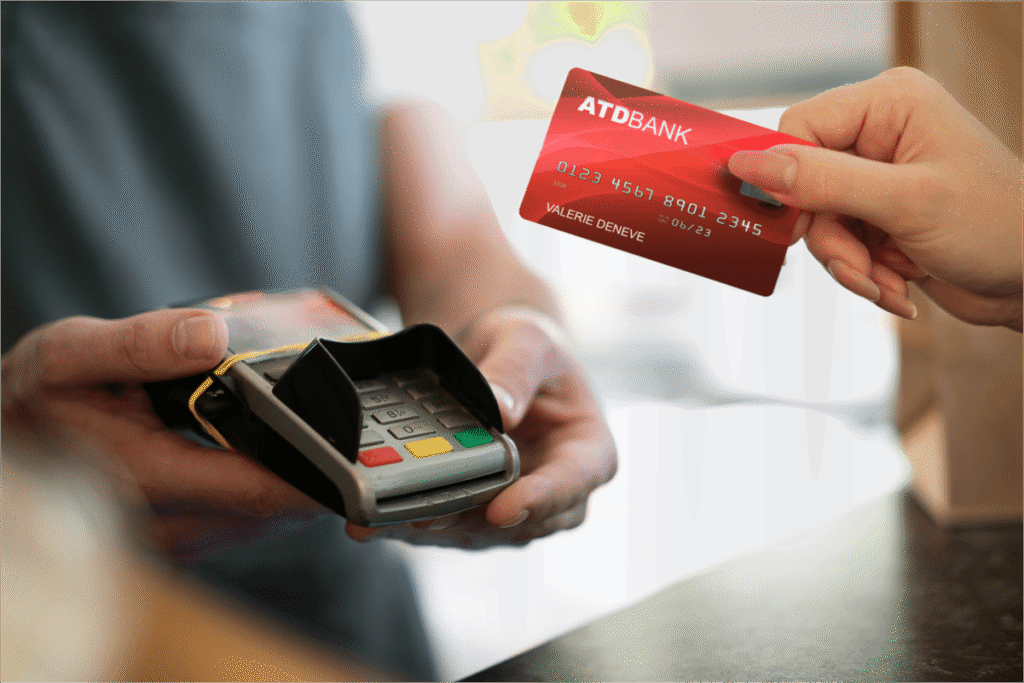
The Future of Reliable Credit Card Payment Processing: Trends to Watch Credit card payment processing is no longer just about swiping a card and getting paid. For startups, high-risk merchants, and offshore businesses, it has become a strategic foundation for growth, trust, and global expansion. As customer expectations rise and regulations tighten, businesses need payment systems that are fast, secure, flexible, and reliable across borders. The future of credit card payment processing is being shaped by new technologies, changing consumer behavior, and increasing demand for seamless digital experiences. Whether you’re launching a startup, operating in a high-risk industry, or running an offshore business, understanding these trends will help you choose the right payment infrastructure and stay competitive. Let’s explore the most important trends defining the future of reliable credit card payment processing. 1. Contactless Payments Becoming a Standard, Not a Feature Contactless payments have quickly moved from “nice to have” to “expected.” Customers now prefer tap-to-pay cards, mobile wallets, and NFC-enabled devices because they are fast, convenient, and hygienic. For startups and offshore merchants, this trend means your payment processing system must support: Contactless card payments Mobile wallets like Apple Pay and Google Pay Quick authorization with minimal friction In the future, consumers will assume every in-person transaction supports contactless payments. Businesses that fail to offer this risk losing sales and credibility. Reliable credit card payment processing providers are already investing heavily in contactless-ready infrastructure. 2. AI-Powered Fraud Detection Is Redefining Security Fraud prevention is one of the biggest challenges in credit card payment processing, especially for high-risk merchants and offshore businesses. Traditional rule-based systems are no longer enough. Artificial intelligence and machine learning are transforming fraud detection by: Analyzing transaction behavior in real time Identifying unusual spending patterns instantly Adapting to new fraud tactics automatically The biggest advantage of AI-driven fraud tools is accuracy. They reduce false declines, which is critical for high-risk businesses that already face higher rejection rates. As AI evolves, payment processors will deliver stronger protection without disrupting genuine customer transactions—creating a safer and smoother checkout experience. 3. Tokenization Becoming the Backbone of Payment Security Security breaches and data leaks can destroy trust overnight. That’s why tokenization is becoming essential in modern credit card payment processing. Tokenization replaces sensitive card details with a randomly generated token that has no real value if intercepted. Even if hackers access the system, they can’t use the data. In the future: Tokenization will be standard across online and offline payments Stored card data will increasingly rely on tokens, not real numbers Compliance with security standards will become easier for merchants For offshore and high-risk merchants, tokenization offers a powerful way to strengthen security while maintaining fast transaction speeds. 4. Biometric Authentication for Smarter Payments Passwords and PINs are slowly being replaced by biometrics. Fingerprints, facial recognition, and device-based authentication are becoming common, especially in mobile payments. Biometric authentication improves credit card payment processing by: Reducing unauthorized transactions Speeding up checkout Enhancing customer confidence As consumers grow comfortable with biometrics, payment systems will integrate these methods more deeply. For businesses, this means fewer chargebacks, lower fraud risk, and stronger trust—particularly important in high-risk industries. 5. Cryptocurrency and Credit Card Processing Working Together Cryptocurrency is no longer just an experiment. While credit cards remain dominant, crypto integration is becoming a complementary payment option. Future-ready payment processors are building systems that: Accept cryptocurrency payments Instantly convert crypto into fiat currency Reduce exposure to volatility For offshore businesses, this is especially valuable. Crypto-friendly credit card payment processing opens access to global customers who prefer alternative payment methods, while still ensuring merchants receive stable payouts. 6. 5G Technology Accelerating Payment Speeds The rollout of 5G networks is quietly transforming digital payments. Faster speeds and lower latency mean payment systems can process complex transactions almost instantly. Why this matters for credit card payment processing: Real-time fraud checks without slowing checkout Faster approvals for international transactions Improved reliability during high traffic periods As payment technology becomes more data-intensive, 5G will ensure that performance keeps up with innovation. 7. Omnichannel Payment Processing Becomes Essential Customers no longer shop in one place. They browse online, buy on mobile, and return in-store. The future of credit card payment processing is omnichannel—one unified system across all platforms. An omnichannel payment solution allows: Consistent payment methods across channels Unified customer data and transaction history Seamless refunds, exchanges, and subscriptions For startups and offshore businesses scaling globally, omnichannel payment processing ensures a smooth and professional customer experience, regardless of where the transaction happens. 8. Smarter Subscription and Recurring Payment Management Subscription-based models are growing rapidly across industries, from SaaS to digital services and memberships. This trend puts new demands on credit card payment processing systems. Future-ready processors will focus on: Automated retries for failed payments Smart billing logic to reduce churn Easy card updates for expired credentials For high-risk merchants, reliable recurring payment processing can mean the difference between predictable revenue and constant payment disruptions. 9. Personalization Driven by Payment Data Payment data is becoming a powerful personalization tool. Modern credit card payment processing platforms can analyze transaction history to create more relevant customer experiences. In the future, businesses will use payment insights to: Offer targeted discounts Recognize repeat customers instantly Customize checkout flows When used responsibly and securely, personalization improves customer satisfaction and increases lifetime value—especially important for startups competing in crowded markets. Why Reliability Still Matters Most Despite all these innovations, one thing hasn’t changed: reliability is the foundation of credit card payment processing. Speed, security, and uptime remain non-negotiable. For startups, high-risk merchants, and offshore businesses, choosing the right payment processing partner means: Stable approvals across regions Strong fraud and compliance support Scalable infrastructure for growth Technology will continue to evolve, but reliable processing will always be the core requirement for success. Final Thoughts The future of credit card payment processing is smarter, faster, and more secure than ever before. From AI-powered fraud detection and biometric authentication to omnichannel solutions and crypto integration, businesses that adapt early will gain a competitive edge. If you operate a startup,

Scroll to Top