
OFFSHORE UNIPAY

Uncategorized

Uncategorized

Why Traditional Payment Providers Decline IPTV Transactions (And What to Do About It)

Why Traditional Payment Providers Decline IPTV Transactions (And What to Do About It) The IPTV (Internet Protocol Television) industry has grown exponentially over the past decade, giving consumers a flexible and affordable alternative to cable and satellite TV. But behind the scenes, IPTV businesses face one of the most frustrating operational challenges: getting paid. Traditional payment providers — including PayPal, Stripe, and major banks — routinely decline transactions from IPTV services, leaving merchants scrambling for reliable solutions. In this guide, we’ll break down exactly why these payment declines happen, what the real cost is for your business, and — most importantly — how to find the best IPTV payment processor to accept payments securely and at scale. If you’ve already been declined, you’ll want to read to the end. What Is IPTV and Why Does It Matter for Payment Processing? Internet Protocol Television (IPTV) delivers television content over the internet rather than through traditional cable or satellite infrastructure. Users can stream live TV channels, on-demand movies, sports, and international programming directly to any internet-connected device — phones, smart TVs, tablets, and laptops. Unlike standard video-on-demand platforms such as Netflix, many IPTV services operate on a subscription reseller model with recurring monthly billing, international customer bases, and content sourced from multiple providers across different legal jurisdictions. This combination of factors is precisely what makes payment processing for IPTV so complex — and why understanding the landscape is essential before choosing a payment solution. Why Do Traditional Payment Providers Reject IPTV Transactions? Banks and mainstream payment processors use automated risk-scoring systems that flag entire industries, not just individual merchants. Here’s why IPTV consistently ends up on their blocklist: 1. High Chargeback Rates One of the biggest red flags for processors is the elevated chargeback rate in the IPTV space. Customers may dispute charges — sometimes even after consuming the service — resulting in financial losses processors are unwilling to absorb. A chargeback rate above 1% is enough to trigger account termination with most standard processors. 2. Legal and Regulatory Concerns Many IPTV platforms offer content without proper licensing agreements. Payment processors, wary of being linked to copyright infringement or regulatory violations, proactively block IPTV merchants to protect themselves from legal exposure — regardless of whether your specific service is fully compliant. 3. Reputation Risk for Payment Providers Brands like PayPal and Stripe are built on trust. Associating with high-risk industries like IPTV — where content licensing disputes are common — could attract regulatory scrutiny and damage their standing with card networks like Visa and Mastercard. 4. Fraud and Unauthorized Reselling The IPTV market has a significant problem with pirated content resellers and stolen subscription fraud. Traditional payment gateways implement aggressive fraud detection that often sweeps up legitimate IPTV merchants along with bad actors, leading to blanket declines. 5. Missing Merchant Category Code (MCC) Support Most banks and processors don’t have a dedicated Merchant Category Code for IPTV services. Without proper classification, transactions are often auto-declined or misrouted — a structural problem that only specialized high-risk processors have solved. The Real Cost of Payment Declines for IPTV Businesses When your payments get blocked, the consequences extend far beyond a single failed transaction: Lost Revenue — Customers abandon purchases the moment their preferred payment method is declined. These aren’t just lost sales; they’re potential long-term subscribers walking away. Account Freezes & Fund Holds — Merchants risk having their accounts terminated and existing funds frozen — sometimes for weeks. Operational Disruption — Constantly switching between processors damages the customer experience and drains internal resources. Reputational Damage — Repeated payment failures erode customer trust and increase refund requests. How IPTV Merchants Can Actively Reduce Chargebacks Chargebacks don’t just happen — they’re often preventable. Proactively managing your chargeback rate is one of the most important things you can do to keep your IPTV merchant account in good standing with your processor. Here are the most effective strategies: Use clear billing descriptors — Make sure your company name and service description appear clearly on customer bank statements to reduce ‘I don’t recognize this charge’ disputes. Send subscription reminder emails — Notify customers 3–5 days before each recurring billing cycle so renewals are never a surprise. Make cancellations easy — A frictionless cancellation process reduces frustrated customers who resort to chargebacks instead. Implement 3D Secure authentication — Adding an extra verification step at checkout reduces fraudulent transactions significantly. Respond to disputes quickly — Use a processor with real-time chargeback alerts so you can respond and provide evidence before disputes escalate. Choosing a processor with built-in chargeback monitoring tools — like those offered through a specialized IPTV high-risk merchant account — makes this process far more manageable than trying to handle it manually. IPTV Payment Processing: Resellers vs. Full-Service Providers Not all IPTV businesses have the same payment needs, and understanding the difference helps you choose the right solution: IPTV Resellers & Panel Owners Resellers typically purchase bulk subscriptions from a main provider and sell individual access to end users. These businesses often operate at higher transaction volumes with smaller per-transaction values, which requires a processor capable of handling high transaction frequency without flagging activity as suspicious. Recurring billing and multi-currency support are essential for resellers with international customers. Full-Service IPTV Streaming Providers Providers who own and operate their own streaming infrastructure face more complex payment requirements — including subscription management, automated renewals, cross-border compliance, and content licensing documentation during the merchant account application process. These businesses benefit most from a high-risk processor with a dedicated underwriting team experienced in IPTV. Both resellers and full-service providers can get approved through a specialist like Offshore Unipay. The IPTV merchant account solutions are designed to accommodate both business models, with support for recurring billing, multi-currency processing, and fraud prevention built in from day one. Best Payment Solutions for IPTV Businesses Since mainstream processors are essentially off the table for most IPTV operators, you need purpose-built alternatives. Here are your most reliable options: 1. IPTV High-Risk Merchant Accounts The most stable long-term solution is partnering with a provider that specializes in IPTV high-risk merchant accounts. These accounts are underwritten specifically for the IPTV industry, meaning the


Uncategorized

Crypto Payments for IPTV: Pros, Cons, and How to Set It Up

Crypto Payments for IPTV: Pros, Cons, and How to Set It Up Crypto Payments for IPTV: Pros, Cons, and How to Set It Up In the ever-changing world of online streaming, IPTV (Internet Protocol Television) has grown rapidly. Many providers and resellers are now offering IPTV services globally. But due to strict regulations and the nature of the IPTV business, accepting traditional payments like credit cards or PayPal can be difficult. That’s where crypto payments come into play. This blog will explain everything about using crypto payments for IPTV services — the advantages, the challenges, and how to set up your own system. Whether you are an IPTV service owner or planning to become one, understanding crypto payments is essential. What is IPTV? IPTV stands for Internet Protocol Television. Unlike traditional cable or satellite TV, IPTV uses the internet to deliver television content. Users can stream live TV, on-demand videos, and even premium content through smart TVs, mobile devices, or dedicated IPTV boxes. This modern way of consuming media has attracted millions of users globally. But with that popularity comes certain challenges — especially when it comes to payments. Why Traditional Payments Don’t Work for IPTV Many IPTV services are considered “high-risk” by banks and payment processors. There are a few reasons: Content licensing issues High chargeback rates Unregulated markets Subscription frauds Because of this, payment gateways like PayPal, Stripe, and Square usually do not allow IPTV-related transactions. Even if they do, accounts often get frozen or terminated without warning. That’s where cryptocurrencies become useful. What Are Crypto Payments? Crypto payments are transactions made using digital currencies like Bitcoin, Ethereum, USDT (Tether), and others. These payments happen through blockchain technology, which is secure, transparent, and decentralized. Instead of relying on banks or traditional processors, you can directly accept payments from customers worldwide using a crypto payment gateway. Pros of Using Crypto Payments for IPTV 1. Global Access Cryptocurrency is not bound by country restrictions. Whether your customer is in the US, India, or Africa, they can pay you without the need for currency conversion or banking approval. 2. No Middleman There’s no bank or third-party processor involved. You get your payment directly in your crypto wallet, reducing dependency on traditional financial institutions. 3. Fast Settlements Traditional bank payments may take days. Crypto transactions are much faster, often completing in minutes or a few hours depending on the coin used. 4. Lower Fees Most crypto payments have low transaction fees compared to card payments or bank transfers. This helps IPTV providers increase profit margins. 5. Reduced Chargebacks Chargebacks are a big problem for IPTV businesses. With crypto, once a transaction is completed, it cannot be reversed. protecting merchants from fraudulent disputes. Cons of Using Crypto Payments for IPTV 1. Volatility Cryptocurrencies like Bitcoin can fluctuate in price. This means the value you receive today might be different tomorrow. However, using stablecoins like USDT or USDC can solve this problem. 2. Customer Adoption Some of your customers may not be familiar with crypto. You may need to educate them or provide guides to make the process easier. 3. Regulatory Concerns In some countries, using or accepting crypto is restricted or even illegal. You’ll need to ensure compliance with local laws. 4. Security Risks Crypto wallets are secure, but if you lose access to your wallet or fall victim to scams, you could lose your funds. It’s important to follow security best practices. How to Set Up Crypto Payments for Your IPTV Business Here’s a step-by-step guide to start accepting crypto payments: Step 1: Choose a Crypto Wallet You’ll need a crypto wallet to store and receive payments. There are two main types: Hot Wallets: Online wallets like MetaMask, Trust Wallet, or exchanges like Binance. Cold Wallets: Offline wallets like Ledger or Trezor for extra security. For daily business, a hot wallet is usually more convenient. Step 2: Pick a Crypto Payment Gateway To automate payments and manage subscriptions, you’ll need a crypto payment gateway. This works like a regular payment processor but for cryptocurrencies. Some popular options include: CoinPayments NOWPayments BTCPay Server Crypto.com Pay When choosing the best crypto payment processor, look for features like: Auto-conversion to stablecoins or fiat Multi-coin support API integration with your IPTV platform Low fees and reliable uptime Step 3: Set Pricing in Crypto You can either list your service prices in local currency and auto-convert to crypto, or directly price in crypto like USDT. Most gateways provide conversion tools or price calculators to help you stay updated with real-time exchange rates. Step 4: Integrate With Your IPTV Platform If you are using a website, billing system, or app to manage IPTV subscriptions, you’ll need to integrate the crypto payment gateway through APIs or plugins. For example: WooCommerce (WordPress) WHMCS (hosting & subscription billing) Custom platforms (via REST API) This ensures a smooth customer experience and reduces manual work. Step 5: Notify and Educate Your Customers Let your customers know you now accept crypto payments. Share guides or how-to videos to help them learn. Highlight the benefits: privacy, speed, global access. Best Practices for Accepting Crypto Payments Always double-check wallet addresses. Keep backups of your private keys and seed phrases. Use a high risk merchant account provider if you also want traditional card payments as a backup. Convert large crypto balances to stablecoins or fiat to avoid price drops. Monitor transactions using blockchain explorers or your gateway’s dashboard. Top Cryptocurrencies to Accept for IPTV For maximum convenience and stability, these are the top coins to consider: Cryptocurrency Why Accept It? Bitcoin (BTC) Widely accepted, high liquidity Ethereum (ETH) Fast transactions, popular option USDT (Tether) Stable value, ideal for pricing USDC Another reliable stablecoin BNB Low fees, popular for IPTV usage Accepting a mix of stablecoins and mainstream coins gives your users more flexibility. Legal Considerations Before accepting crypto, understand the legal landscape in your country. Some regions ban crypto payments or have strict reporting laws. Consult with a lawyer or accountant to ensure you’re not violating tax laws or regulations. Also, choose a crypto-friendly country

Uncategorized

How to Ensure Your IPTV Payment Processing Is Fully Legal in the US, UK, and EU

How to Ensure Your IPTV Payment Processing Is Fully Legal in the US, UK, and EU How to Ensure Your IPTV Payment Processing Is Fully Legal in the US, UK, and EU The IPTV (Internet Protocol Television) industry has grown exponentially in recent years, offering consumers a flexible and cost-effective alternative to traditional cable TV. However, with this growth comes increased scrutiny from regulators in the US, UK, and EU regarding payment processing and compliance. If you operate an IPTV business, ensuring that your payment processing is fully legal is crucial to avoid fines, account freezes, or even legal action. This guide will walk you through the key steps to maintain compliance while processing payments for your IPTV services in these regions. Understanding Legal Challenges in IPTV Payment Processing Before diving into solutions, it’s important to understand why IPTV businesses face payment processing challenges: High-Risk Classification – Many banks and payment processors classify IPTV as high-risk due to concerns over piracy and copyright infringement. Regulatory Scrutiny – Governments in the US, UK, and EU are cracking down on illegal streaming services, affecting legitimate businesses as well. Chargeback Risks – Unauthorized content distribution can lead to disputes and chargebacks, making processors wary. To mitigate these risks, you need a compliant payment strategy. Step 1: Choose the Right Payment Processor Not all payment processors are willing to work with IPTV businesses. You need a provider that understands the industry and complies with regional laws. IPTV Payment Processor in the UK The UK has strict financial regulations enforced by the Financial Conduct Authority (FCA). When selecting an IPTV payment processor in the UK, look for: FCA compliance – Ensure the processor is registered with the FCA. High-risk merchant accounts – Some processors specialize in high-risk industries like IPTV. Multi-currency support – If you serve customers globally. IPTV Payment Processor in the USA In the US, payment processing is regulated by the Federal Trade Commission (FTC) and PCI DSS standards. An IPTV payment processor in the USA should offer: PCI-DSS compliance – Ensures secure transactions. Fraud prevention tools – Helps reduce chargebacks. Support for ACH and credit cards – Expands payment options. Best IPTV Payment Processor in the EU The EU has strong anti-piracy laws under the Digital Services Act (DSA). The best IPTV payment processor in the EU should provide: SEPA compatibility – For smooth Euro transactions. Strong fraud screening – To comply with EU anti-money laundering (AML) laws. Local acquiring banks – Reduces transaction declines. Step 2: Verify Your Business Legitimacy Payment processors and banks will scrutinize your business model. To prove legality: Obtain proper licensing – Ensure you have broadcasting rights for the content you distribute. Display clear terms of service – Outline refund policies and content usage rules. Use DMCA-compliant hosting – Avoid hosting pirated content. Step 3: Implement Strong Fraud Prevention Measures High chargeback rates can lead to account termination. Reduce fraud by: Using 3D Secure (3DS2) – Adds an extra authentication layer. Monitoring transactions – Flag suspicious purchases. Setting purchase limits – Prevents bulk fraudulent buys. Step 4: Offer Multiple Payment Methods Diversifying payment options improves user experience and reduces reliance on a single processor. Consider: Credit/debit cards (Visa, Mastercard) E-wallets (PayPal, Skrill, Neteller) Cryptocurrencies (Bitcoin, USDT) – Offers anonymity but must comply with AML laws. Step 5: Maintain Transparent Customer Communication Clear communication reduces disputes. Provide receipts – For every transaction. Explain refund policies – Avoids chargebacks. Offer customer support – Resolves issues quickly. Step 6: Stay Updated on Legal Changes Laws around IPTV and digital payments evolve. Regularly check: US (FTC DMCA updates) UK (FCA Ofcom regulations) EU (Digital Services Act GDPR)   Running a legally compliant IPTV business in the US, UK, and EU requires careful attention to payment processing. By choosing the right IPTV payment processor in the UK, IPTV payment processor in the USA, or the best IPTV payment processor in the EU, verifying your business legitimacy, and implementing strong fraud controls, you can minimize risks and ensure smooth operations. Stay informed, comply with regulations, and prioritize transparency to build a sustainable and legal IPTV service.

Uncategorized

Is Your Payment Processor Killing Your Digital Goods Business? Here’s What to Do

Is Your Payment Processor Killing Your Digital Goods Business? Here’s What to Do Is Your Payment Processor Killing Your Digital Goods Business? Here’s What to Do The digital goods industry is booming, with businesses selling everything from e-books and software to online courses and subscription services. However, many entrepreneurs face a major roadblock: their payment processor. If you’ve experienced sudden account closures, high fees, or payment delays, your payment processor might be silently killing your business. The good news? There’s a solution. In this in-depth guide, we’ll explore: Why traditional payment processors fail digital goods businesses The importance of high-risk merchant accounts and high-risk payment processors How to choose the best payment processor for digital products The benefits of an international payment gateway Steps to switch to a better payment solution Let’s dive in. Why Traditional Payment Processors Fail Digital Goods Businesses Most digital goods businesses are classified as “high-risk” by banks and payment processors. Why? High Chargeback Rates – Digital products are intangible, leading to disputes and refund requests. Fraud Risks – Instant delivery makes digital goods a target for fraudsters. Subscription Billing Issues – Recurring payments increase the risk of involuntary churn. As a result, traditional processors like Stripe and PayPal often: Freeze accounts without warning Hold funds for extended periods Charge excessive fees Refuse to support certain digital products This can cripple your cash flow and growth. The Solution: High-Risk Merchant Accounts & Payment Processors If your business is struggling with payment processing, you likely need a high-risk merchant account or a specialized high-risk payment processor. What Are High-Risk Merchant Accounts? These are payment solutions designed for businesses that traditional banks avoid. They offer: Higher approval rates – Even for digital products Chargeback protection – Tools to minimize disputes Global payments – Support for an international payment gateway Flexible underwriting – Better understanding of digital goods risks Why High-Risk Payment Processors Work Better Unlike Stripe or PayPal, high-risk payment processors specialize in industries like: Digital downloads SaaS and software Online courses & memberships Gaming and virtual goods They provide:Stable accounts – No sudden shutdownsMulti-currency support – Essential for global salesFraud prevention – Advanced screening toolsScalability – Grow without payment bottlenecks How to Choose the Best Payment Processor for Digital Products Not all high-risk merchant accounts are equal. Here’s how to pick the best one: 1. Look for Digital Goods Experience Find a processor familiar with e-books, software, and subscriptions. Avoid those that mainly serve physical products. 2. Check Fraud & Chargeback Management A good payment processor for digital products should offer: 3D Secure authentication AI-based fraud detection Chargeback alerts and dispute resolution 3. Ensure Global Payment Support If you sell worldwide, an international payment gateway is a must. Look for: Multi-currency processing Local payment methods (e.g., Alipay, SEPA, PIX) Low foreign exchange fees 4. Compare Fees & Payout Times High-risk processing costs more, but avoid excessive fees. Look for: Transparent pricing (no hidden costs) Fast payouts (1-3 days, not weeks) 5. Read Reviews & Test Customer Support Check Trustpilot, Reddit, and industry forums. Test their support—slow responses can cost you sales. Steps to Switch to a Better Payment Processor Audit Your Current Processor – Identify pain points (holds, rejections, fees). Research Alternatives – Compare features, fees, and reviews. Apply for a High-Risk Merchant Account – Prepare business documents. Integrate the New Processor – Use APIs or plugins like WooCommerce, Shopify. Test Transactions – Ensure smooth checkout before full migration. Monitor Performance – Track chargebacks, approval rates, and payouts. Final Thoughts If your payment processor is holding back your digital goods business, it’s time to switch. High-risk merchant accounts and high-risk payment processors offer stability, global reach, and fraud protection—key for scaling. Choose a payment processor for digital products that understands your industry, supports an international payment gateway, and provides reliable payouts. Don’t let payment processing kill your business—take action today! Need Help? If you’re struggling to find the right processor, consult a payment expert who specializes in digital goods. The right solution can save you time, money, and headaches.

Uncategorized

Understanding Refund Policies and Consumer Protection Laws for Digital Sales

Understanding Refund Policies and Consumer Protection Laws for Digital Sales Understanding Refund Policies and Consumer Protection Laws for Digital Sales The digital goods market is thriving, but with it comes complex challenges—especially around refunds and consumer rights. Many businesses selling e-books, software, online courses, and subscriptions struggle with chargebacks, disputes, and legal compliance. If you’ve faced unexpected refund demands, legal complaints, or payment processor restrictions, your refund policy (or lack thereof) might be putting your business at risk. In this guide, we’ll cover: Why refund policies are critical for digital sales Key consumer protection laws affecting digital goods How to create a fair and enforceable refund policy Best practices to minimize disputes and chargebacks The role of high-risk merchant accounts in handling refunds Let’s dive in. Why Refund Policies Matter for Digital Goods Unlike physical products, digital goods are intangible, delivered instantly, and often non-returnable. This creates unique challenges: No “Return” Option – Customers can’t “send back” an e-book or software license.Higher Dispute Risk – Buyers may claim they never received access or were dissatisfied.Payment Processor Scrutiny – Excessive refunds can flag your business as high-risk. A clear refund policy helps:✔ Set customer expectations✔ Reduce disputes chargebacks✔ Comply with consumer protection laws Consumer Protection Laws for Digital Sales Different countries have strict rules on digital refunds. Ignoring them can lead to fines, legal action, or payment processor bans. 1. EU’s Consumer Rights Directive (2011/83/EU) 14-Day Cooling-Off Period – Buyers can cancel digital purchases within 14 days unless they’ve downloaded/streamed the content. Clear Refund Policy Required – Must be displayed before checkout. 2. US Federal Trade Commission (FTC) Rules No “No Refund” Policies – Blanket “no refunds” policies are illegal. State-Specific Laws – California, New York, and others have stricter digital refund rules. 3. UK Consumer Rights Act 2015 Digital Products Must Be “As Described” – If faulty, customers can demand repairs, replacements, or refunds. 30-Day Refund Window – Applies if the product is defective. 4. Australia’s Consumer Guarantees Mandatory Refunds for Faulty Digital Goods – Even if labeled “non-refundable.” Key Takeaway:Your refund policy must comply with the laws of the countries you sell in. How to Create a Fair Enforceable Refund Policy A b refund policy balances customer trust and business protection. 1. Define Eligibility Non-Refundable Items (e.g., downloaded software, used license keys) Refundable Cases (e.g., undelivered access, technical failures) 2. Set Time Limits 7-30 Day Refund Window (adjust based on product type) Instant Revocation for Fraud 3. Outline the Process Email Request Required – No automatic refunds via chargebacks. Proof of Issue (e.g., screenshots, error logs) 4. Disclose Policy Clearly Checkout Checkbox – “I agree to the refund policy.” Dedicated Policy Page – Linked in footer confirmation emails. Example Refund Policy for Digital Courses: “Refunds are available within 14 days if course content wasn’t accessed. No refunds after downloading materials. Contact support@example.com with proof of purchase.” How to Minimize Disputes Chargebacks Even with a good policy, disputes happen. Here’s how to reduce them: 1. Use Clear Product Descriptions Avoid misleading claims (e.g., “Guanteed results”). List system requirements for software. 2. Offer Customer Support Quick responses prevent escalations to banks. Provide troubleshooting guides. 3. Leverage Payment Processor Tools High-risk merchant accounts often include: Chargeback alerts Fraud screening 3D Secure authentication 4. Track Analyze Refund Reasons Spot trends (e.g., certain products get more disputes). Adjust policies or product info accordingly. The Role of High-Risk Merchant Accounts in Handling Refunds If you sell digital goods, traditional processors (Stripe, PayPal) may penalize you for high refund rates. High-risk payment processors specialize in businesses like yours and offer: Higher Chargeback Thresholds – Before account suspension.Dispute Resolution Help – Evidence submission tools.Multi-Currency Refunds – Critical for international payment gateways. Pro Tip:If refunds are hurting your cash flow, consider a subscription model with prorated refunds instead of one-time purchases. Final Thoughts A well-crafted refund policy isn’t just about compliance—it’s about building trust and reducing financial risks. Key Steps to Take Today: 1. Audit your current policy – Does it comply with key laws? 2. Update product descriptions – Set realistic expectations. 3. Consider a high-risk merchant account – If chargebacks are a problem. Need Help? Consult a legal expert or payment processor specializing in digital goods to ensure your policies are airtight.

Uncategorized

How to Integrate a Payment Gateway for eBooks, Courses, and Software

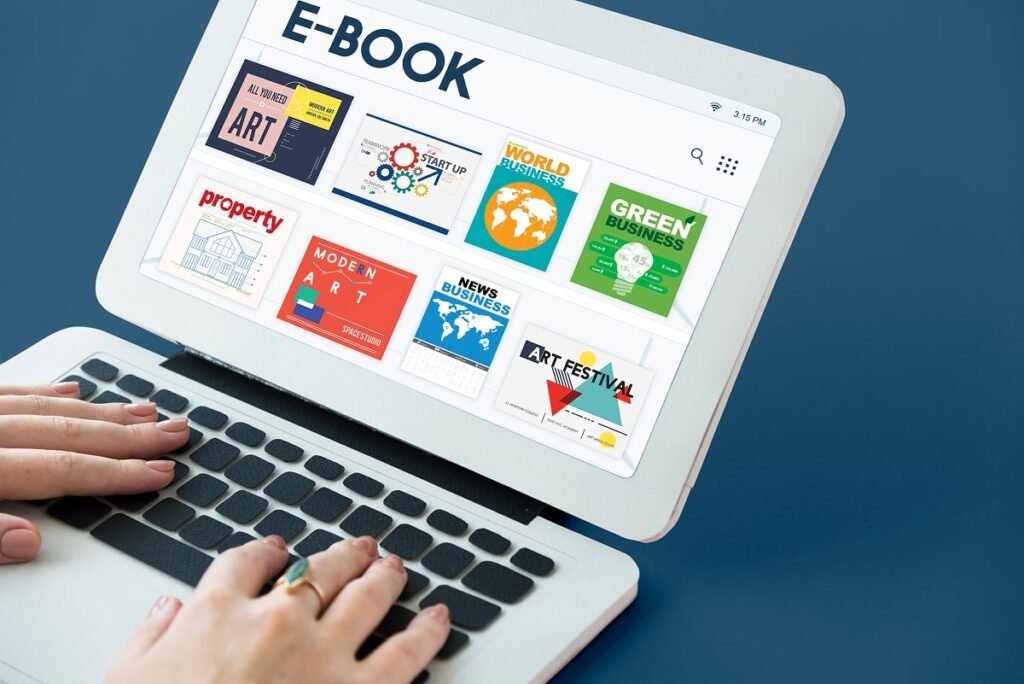
How to Integrate a Payment Gateway for eBooks, Courses, and Software How to Integrate a Payment Gateway for eBooks, Courses, and Software Selling digital products like eBooks, online courses, and software can be a highly profitable business. However, to accept payments smoothly, you need a secure and reliable payment gateway for digital products. Whether you’re running a SaaS platform or selling high-risk digital goods, choosing the right payment processing for SaaS or the best payment gateway for high-risk business is essential for long-term success. In this in-depth guide, we’ll cover everything you need to know about integrating a payment gateway for your digital products—without mentioning specific competitors. 1. What is a Payment Gateway and Why Do You Need One? A payment gateway is a technology that securely processes online transactions between customers and merchants. It authorizes payments, encrypts sensitive data, and ensures funds are transferred correctly. For digital products, a payment gateway must support: Instant delivery – Customers expect immediate access. Recurring billing – Essential for SaaS and subscription-based courses. Global transactions – If you sell internationally. Fraud prevention – Digital products are prone to chargebacks. Without the right payment gateway for digital products, you risk payment failures, lost sales, and even account suspensions. 2. Key Features to Look for in a Payment Gateway Not all payment solutions work well for digital goods. Here’s what to prioritize: a. Support for Instant Deliverables Since eBooks, courses, and software are delivered instantly, your payment gateway should automatically trigger: Download links License keys Access to member areas b. Subscription and Recurring Billing If you offer SaaS or membership sites, you need payment processing for SaaS that handles: Monthly/Yearly billing Failed payment retries Prorated upgrades/downgrades c. High-Risk Payment Support Some digital products (like software or certain eBooks) are classified as high-risk due to higher chargeback rates. In such cases, you need the best payment gateway for high-risk business with: b fraud screening Chargeback protection Flexible underwriting d. Multiple Payment Methods Customers prefer different payment options, so your gateway should support: Credit/Debit Cards Digital Wallets (like PayPal, Apple Pay) Bank Transfers Cryptocurrency (if applicable) e. Global Currency Support If you sell worldwide, ensure your gateway accepts multiple currencies and local payment methods. 3. How to Choose the Right Payment Gateway for Your Business Selecting a payment gateway depends on your business model: For eBooks & Online Courses Look for instant payment confirmation. Ensure automated content delivery. Prefer gateways with low dispute rates. For SaaS & Subscription Services Must support recurring billing. Should handle upgrades/downgrades smoothly. Needs dunning management (recovering failed payments). For High-Risk Digital Products Requires specialized merchant accounts. Should have b fraud detection. Must comply with strict regulations. 4. Step-by-Step Guide to Integrating a Payment Gateway Step 1: Research and Select a Suitable Gateway Compare fees, features, and restrictions. Check if it supports your product type (eBooks, SaaS, high-risk). Step 2: Set Up a Merchant Account (If Required) Some gateways provide built-in merchant accounts, while others require a separate one. Step 3: Integrate with Your Website or Platform For WordPress/WooCommerce: Use compatible plugins. For SaaS Platforms: Use API-based integration. For Custom Websites: Hire a developer if needed. Step 4: Configure Payment & Delivery Settings Set up automatic download links after payment. Enable email notifications for successful purchases. Test sandbox mode before going live. Step 5: Launch and Monitor Transactions Start with a few test purchases. Track failed payments and customer complaints. Optimize checkout for better conversions. 5. Security Measures for Digital Product Payments Since digital goods are vulnerable to fraud, implement: a. Two-Factor Authentication (2FA) Add an extra layer of security for high-value transactions. b. Address Verification System (AVS) Helps detect suspicious transactions by verifying billing addresses. c. 3D Secure Payments Reduces chargebacks by requiring additional authentication. d. IP Blocking & Rate Limiting Prevents brute-force attacks and fraudulent purchases. If you operate in a high-risk business, additional security measures are non-negotiable. 6. Handling Refunds and Chargebacks Digital products face higher chargeback risks. To minimize disputes: a. Clear Refund Policy State your refund terms upfront. Offer refunds for legitimate complaints to avoid chargebacks. b. Instant Customer Support Resolve issues quickly to prevent disputes. Provide easy contact options. c. Use a Dispute Management System Some gateways offer chargeback protection tools. Respond to disputes promptly with evidence. 7. Best Practices for Optimizing Payments a. Offer Multiple Payment Options Credit cards, digital wallets, and bank transfers improve conversions. b. Simplify the Checkout Process Fewer steps = higher completion rates. Guest checkout options help. c. Optimize for Mobile Payments Over 50% of transactions happen on mobile. Ensure smooth mobile checkout. d. Regularly Update Security Protocols Stay compliant with PCI DSS standards. Monitor fraud trends and adjust settings. 8. Common Challenges & How to Overcome Them a. Payment Gateway Rejections Some gateways reject high-risk businesses. Solution: Work with specialized providers. b. High Transaction Fees Compare pricing models (flat rate vs. interchange-plus). Negotiate lower rates as sales grow. c. Failed Subscription Payments Use smart retry systems for declined cards. Notify customers before retrying. 9. Future Trends in Digital Product Payments More AI-Based Fraud Detection – Smarter risk scoring. Blockchain & Crypto Payments – Growing in digital product sales. One-Click Checkouts – Faster conversions with stored payment info. 10. Final Thoughts Choosing the right payment gateway for digital products is crucial for your online business. If you sell SaaS, prioritize payment processing for SaaS with b subscription support. For high-risk items, find the best payment gateway for high-risk business to avoid shutdowns. By following this guide, you can:Accept payments securelyReduce fraud and chargebacksImprove customer experienceScale your digital product sales Start integrating the right payment solution today and watch your business grow!

Uncategorized

How to Handle Cross-Border Payments Legally in the Forex Industry

How to Integrate a Payment Gateway for eBooks, Courses, and Software How to Handle Cross-Border Payments Legally in the Forex Industry The foreign exchange (Forex) industry thrives on global transactions, making cross-border payments a critical aspect of operations. However, navigating the legal complexities of international money transfers can be challenging. This comprehensive guide explores how Forex businesses can manage cross-border payments legally while ensuring compliance, security, and efficiency. Understanding Cross-Border Payments in Forex Cross-border payments involve transferring funds between entities in different countries. In Forex, these transactions include: Broker payouts to traders Deposits from clients worldwide Interbank settlements Payments to liquidity providers Given the high-risk nature of Forex, businesses must comply with anti-money laundering (AML) laws, Know Your Customer (KYC) regulations, and international banking standards. Legal Considerations for Forex Cross-Border Payments 1. Compliance with AML and KYC Regulations Forex businesses must implement robust AML and KYC procedures to prevent fraud and illegal activities. Key steps include: Verifying client identities Monitoring suspicious transactions Reporting large transfers to regulatory bodies 2. Adhering to Local and International Laws Different countries have varying Forex regulations. For example: EU: Follows MiFID II and GDPR for data protection. US: Requires registration with the CFTC and NFA. UK: Regulated by the FCA. Using a forex payment processor that understands these laws ensures smooth transactions. 3. Choosing the Right Payment Gateway A reliable international high-risk payment gateway is crucial for Forex businesses. Key features to look for include: Multi-currency support High transaction approval rates Fraud prevention tools Chargeback management Best Payment Solutions for Forex Businesses 1. Forex Payment Processors A cross-border payment processor specializing in Forex can handle high-risk transactions while ensuring compliance. Popular options include: PayPal (for compliant brokers) Skrill & Neteller Cryptocurrency payment gateways (BitPay, CoinGate) 2. International High-Risk Payment Gateways Since Forex is classified as high-risk, businesses need a specialized best international payment gateway such as: Stripe (with high-risk merchant accounts) Authorize.Net Offshore Unipay 3. Bank Transfers and SWIFT Traditional bank transfers via SWIFT are secure but slower. Ensure your bank supports Forex transactions to avoid frozen accounts. 4. Cryptocurrencies for Cross-Border Payments Crypto offers fast, low-cost transactions. However, regulatory uncertainty means businesses must stay updated on legal requirements. Steps to Ensure Legal Cross-Border Forex Payments 1. Partner with a Licensed Payment Provider Work with a forex payment processor registered with financial authorities like: Financial Conduct Authority (FCA) Cyprus Securities and Exchange Commission (CySEC) Australian Securities and Investments Commission (ASIC) 2. Implement b Fraud Prevention Measures Use AI-driven fraud detection tools and 3D Secure authentication to minimize risks. 3. Maintain Transparent Records Keep detailed transaction logs for audits and regulatory checks. 4. Stay Updated on Regulatory Changes Laws evolve, so regularly review compliance policies. Conclusion Handling cross-border payments legally in the Forex industry requires a mix of compliance, technology, and strategic partnerships. By choosing the right international high-risk payment gateway and adhering to regulations, Forex businesses can ensure seamless, secure transactions globally. Whether you opt for a cross-border payment processor or a best international payment gateway, always prioritize legal compliance to sustain long-term success in the Forex market.

Uncategorized

How to Safely Use a Credit Card for Online Gambling With a Trusted Payment Processor

How to Safely Use a Credit Card for Online Gambling With a Trusted Payment Processor With the advent of digitization, online gambling has formed a new gateway for rapid market expansion and potential financial risk. According to the Global Online Gambling Market Size report, the online gambling market globally is estimated at USD 78.66 billion in 2025 and is projected to reach USD 153.57 billion by 2030, growing at a 11.9% Compound Annual Growth Rate (CAGR). This high growth rate clearly demands the use of a trusted gambling payment processor.  That’s where reliable and credible payment methods like a credit card become so handy, which is highly prone to market risks.  In this blog, we’ll share step-by-step methods on using credit cards for online gambling safely and more effectively.  What are Trusted Gambling Payment Processors? Transactions done in online gambling are performed at an enormous rate and thus, are subjected to high risks. Consequently, you require a payment gateway that not just makes your transaction safe but also efficient, convenient and seamless. Trusted gambling payment processors are fundamentally those payment gateway platforms that assist individuals to perform transactions in online gambling seamlessly..  For instance, a platform like Unipay acts as a secure bridge between your credit card and the gambling website, ensuring your card details remain thoroughly encrypted, with quicker transactions, and additional security layers, for example, OTP or two-factor authentication (2FA). How to Use Credit Cards Safely for Online Gambling? Using credit cards for online gambling is not a rocket science; however, it requires careful and vigilant approach, especially with the cyber fraud rise. Here are the seven steps on how you can use credit cards safely and efficiently for online gambling: 1. Choose a Trusted Gambling Site With the emergent need for cybersecurity, a trusted gambling site becomes highly critical. You must choose a gambling site that is licensed, regulated, and reputed.  It’s common to fall prey and get overwhelmed with the numerous available gambling payment gateway platforms. Ensure they have the necessary certifications and should be from a reliable regulatory authority. 2. Check Payment Choices Once you’ve chosen your preferred and trusted gambling site, assess whether they offer a credit card payment facility. In general, only a few sites offer such a payment method. This is because credit card transactions in online gambling are subject to stricter banking regulations, higher processing fees, and increased fraud risk, causing some operators to avoid them completely. 3. Set a Budget Ideally we should put it in the first step in our journey, yet we’ve placed this at third spot because once you’ve a trusted gambling site, then only, you can maximize the available budget. Budgeting plays a critical role in  having a safe game with minimal market risk. If you’re a novice user, it’s recommended to set a short budget at the beginning. Then, gradually increase it as you gain experience and confidence. 4. Enter Your Card Details Securely To perform the credit card transaction you must enter your card details on a secure page with an ‘s’ at the end of http://. The ‘s’ stands for security and is a critical parameter to assessing the security and safety of the webpage. Moreover, you must never share your Card Verification Value (CVV) number including officials from gambling payment processors.  5. Use Extra Security Steps Two Factor Authentication (2FA) is always mentioned in this post; yet there’s a third factor in 3FA, which is the One Time Password (OTP). You must be using this feature in your day-to-day life. However, seldom do you know it’s the most critical aspect for any secure online transaction. Even CVV numbers can be shared at once but OTP should never ever be shared with anyone, unless you are personally initiating and authorizing the transaction on a trusted platform through gambling merchant account Final Verdict! Using credit cards for online gambling has become a common trend nowadays, and so has the need for efficient and safe usage of this payment method. You must always choose reputed and licensed platforms to perform credit card payments and have a realistic budget in mind. Begin with a small budget and increase it as you gain confidence. You must use 2FA and 3FA (OTP as the third) wisely and under the supervision of an expert, especially if you’re a complete beginner in this digital gambling space. Looking for safe and reliable gambling payment processors? Unipay is your trusted partner that strives on security, speed, and seamless transactions. Many users have availed our services and found them highly satisfying.  You can be the next! Just connect with us to avail the best-in-market service quotation.

Uncategorized

How to Choose the Best Credit Card Processor for Your UK Business?

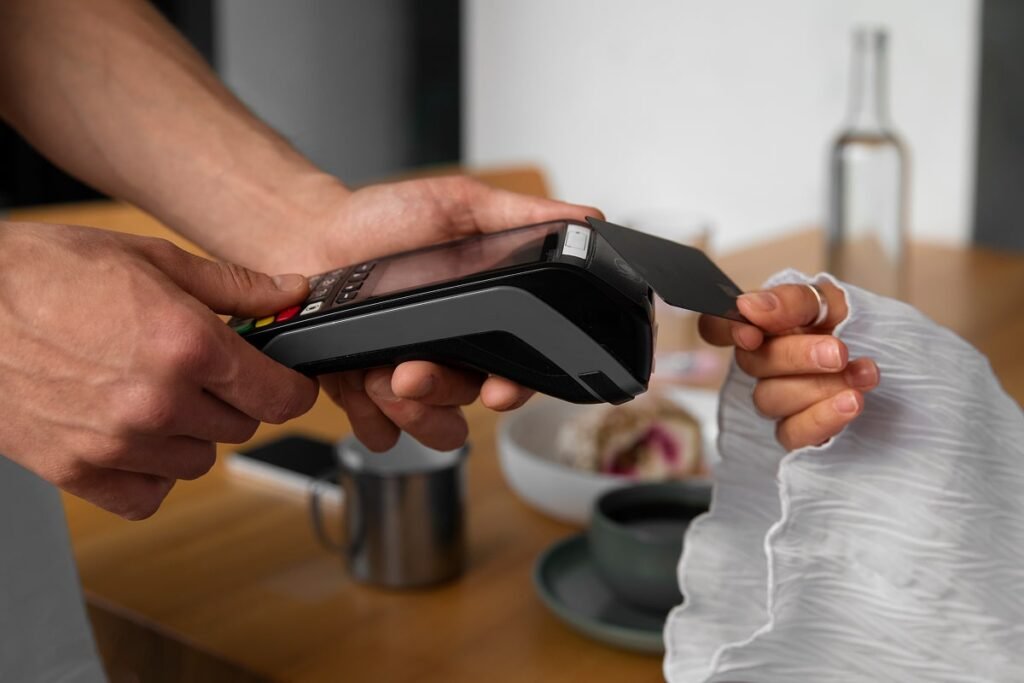
How to Choose the Best Credit Card Processor for Your UK Business? If you were to ask 18-year-olds about the most convenient way to perform transactions, most would say, “credit or debit card payments.” Credit card payments have upscaled their popularity with the advent of digital commerce. They go beyond capturing the transaction and serve as the financial backbone for global businesses.  As a result, there’s huge competition among credit card payment processing vendors in the UK. This makes their selection trickier with so many vendors available today. In this blog, we’ll understand the benefits of enrolling in the credit card processor services and how you can choose the most result-driven credit card payment processors in the UK. Who Are Credit Card Processors? The best credit card processors in UK are the people or entities that help to transfer money between businesses and their clients. In other words, they are the middleperson that assists in performing seamless transactions through credit cards and debit cards between the two parties. In today’s time, where digitisation is gripping its peak, adapting to this technology becomes challenging for non-technical people, especially the Generation Y population. As a result, the involvement of credit card processors becomes predominant. These firms charge a small percentage of fees (commission) for every single transaction performed through their platforms. These include transaction fees, setup costs, monthly service charges, and chargeback fees. Benefits of Hiring a Credit Card Processor A credit card processor carries a wide range of benefits for the merchants. They make their daily transactional experience seamless through speed and security. The other benefits include: Improved cash flow with faster settlement of payments Access to advanced analytics and reporting tools for better decision-making Support for multiple payment methods, including contactless and mobile payments Reduced risk of fraud and chargebacks through secure encryption and verification systems Enhanced customer satisfaction by offering flexible and convenient payment options Vital Tips to Choose the Best Credit Card Processor Choosing the best credit card processor isn’t a hard science that requires systematic and logical steps. However, like any other profession, it does require research and practical judgment of payment patterns as well as high-risk merchant account UK. Here are the 10 tips you can follow to choose the best credit card processor for your UK business: 1. Check the Fees Credit card processors charge various types of fees from their B2B clients. These charges can be fixed or variable, including transaction fees, monthly service fees, and chargeback fees. Every credit card processing vendor has a different fee structure, so it’s important to consult with them directly about the same.  It’s also important to remember that not every vendor that charges low fees is unsuitable, and those who charge high fees are quality-driven vendors. Have a blend of both. Refer to different internet sources for information, like Trustpilot and NerdWallet. 2. Look at the Contract Terms Many vendors have complex contract terms, often similar to what you cannot understand. This lack of clarity is done to confuse clients, hide hidden charges, or lock them into long-term commitments without fully understanding the implications. Such malpractices are common.  You should read through their contract thoroughly, and don’t hesitate to connect with that vendor when in doubt. 3. Look at Customer Support Once you get on board with a credit card processor, issues may arise at any point, from failed transactions to chargeback disputes. That’s where customer support plays a critical role.  Before you sign up, check if the vendor offers 24/7 support and through what channels: phone, chat, or email. A responsive and knowledgeable support team can save your business a lot of stress and time. 4. Read Reviews Online reviews are like the voice of the customer. Go through them on platforms like Google, Trustpilot, or industry-specific forums. Look out for recurring complaints or red flags, delayed credit card payment processing, poor customer service, unexpected charges, etc.  On the flip side, if you notice consistent praise around transparency, reliability, and support, that’s usually a good sign. 5. See if It Handles Refunds Easily Refunds are part and parcel of any business. The finest credit card processor should make the refund process smooth and quick, both for you and your customer.  Ask the vendor about their refund policies, timelines, and any additional charges involved. A processor that delays or complicates refunds may frustrate your customers and negatively impact your reputation. Conclusion Credit card payment processing vendors are essential intermediaries that enable secure and seamless transactions between businesses and customers. Thus, as a merchant, you must always compare transactions, service, and chargebacks across vendors. Moreover, contract terms can hide surprises, so you must get through the fine details and ask questions of the vendor when required. Lastly, strong customer support is non-negotiable for a quicker payment resolution.  Don’t forget to visit the user reviews, as they reveal the truth that the general eye cannot spot, such as hidden charges or poor service. Looking for the most reliable, affordable, secure, and best credit card processor in UK? Connect with Offshore Unipay today!

Uncategorized

The Ultimate Business Hack for Global Payments: Multi Currency Offshore Accounts

The Ultimate Business Hack for Global Payments: Multi Currency Offshore Accounts The Ultimate Business Hack for Global Payments: Multi Currency Offshore Accounts Want your business to go truly global? Start with the account that speaks every currency. That’s where multi currency offshore accounts step in! Multi-currency offshore accounts empower businesses to accept and manage payments from clients worldwide without the hassle of multiple local accounts. They simplify international trade, reduce conversion costs, and ensure faster settlements, making them a smart choice for enterprises aiming to scale globally. These accounts help in sending and receiving in pounds, dollars, euros, rupees, or other currencies, enabling businesses to globalise rapidly. In this blog, we’ll shed light on multi currency offshore accounts as a crucial business hack to perform global payments with ease and minimal effort. What is a Multi-Currency Account? A multi currency account is a type of merchant account where a seller or service provider accepts payments in every currency desired by the buyer based on their location and preference. This approach minimises the gap between currency conversion and payment delays. By offering a multi-currency account, businesses can also build stronger relationships with international customers. It eliminates the inconvenience of hidden conversion fees, creates a seamless checkout experience, and fosters customer trust. Moreover, it enables merchants to expand into new markets with greater ease, as buyers feel more comfortable paying in their local currency. For instance, you are running an e-commerce shoe business in your home country, the UK, and someone residing in the US likes your product and is interested in purchasing it. Consequently, the prospect faces a hindrance in making payment solely in United States Dollars (USD) (their local currency) instead of British Pounds (GBP). In this case, they will refer to a multi currency offshore bank account that then helps to convert their local currency to the seller’s national currency. Who Needs a Multi-Currency Business Account? A multi-currency business account is not limited to large corporations; it caters to a wide range of professionals and industries, including: Startups seeking global investors Freelancers & consultants Payment gateways & marketplaces Exporters & importers Companies managing remote teams Travel & hospitality services Digital product providers Small & medium businesses (SMBs) Subscription-based businesses E-commerce sellers How a Multi-Currency Account Works? A multi-currency merchant account works by seamlessly accepting payments from buyers in their preferred local currency, ensuring convenience and trust at the checkout stage. The received funds are then stored in the seller or service provider’s account in a default base currency, usually the one chosen by the merchant. This structure eliminates the need for multiple accounts across different regions and simplifies the reconciliation process. When the merchant decides to withdraw, the account converts the stored funds into the merchant’s local currency at the prevailing exchange rate. This not only provides flexibility in choosing the right timing for conversions but also helps minimize losses due to fluctuating currency rates. In essence, a multi-currency merchant account gives businesses greater financial control, reduced conversion delays, and the ability to expand globally without the friction of complex cross-border transactions. Key Benefits of a Multi-Currency Account for Businesses The benefits of multi-currency offshore accounts are immense, since they provide reliability and hassle-free freedom to the stakeholders. Here are the key benefits of multi-currency offshore merchant accounts: Reduce the currency conversion costs significantly. Helps in elevating the speed of international payments. Improve cash flow management by making it faster and more predictable. Simplify exorbitant accounting and bookkeeping. Assist in consolidating multiple currency accounts into a single business account. Have better control over exchange rates. Enhance Global Customer Trust Expand Market Reach Effortlessly Steps Involved in Making a Multi-Currency Payment To perform multi-currency payments, the first step is to always create multi currency offshore bank accounts from the platforms or providers like Offshore Unipay. Following that, Log in to Your Account: The merchant account provider hands you your login credentials (username and password). Utilise those credentials to log in to your account. These accounts are generally protected through three-factor authorisation (3FA), so you won’t suffer any issues regarding security and privacy. Choose Your Desired Currency: Select the desired currency you want to perform the transaction. This should be your preferred currency. This option is generally available on the account dashboard. Fill-In Details: Put in all your details about the recipient, such as their full name (as on banking databases), the amount to send, and bank account information. Review Rates: Check the regional exchange rates. If you’re performing transactions for high-risk businesses such as adult industries, the exchange rates might fluctuate on a steeper side, in contrast to conventional businesses like retail and e-commerce. Final Receipt: Once everything is done, you’ll receive a payment receipt from the merchant about your successful transaction with a valid transaction ID or confirmation number. Track Transaction Status: Most multi-currency merchant accounts provide real-time tracking features. After initiating the payment, you can monitor its progress through your dashboard until it reaches the recipient’s account. This transparency ensures peace of mind and helps you address any delays immediately with the provider. Maintain Transaction Records: Always download or save a copy of your transaction history for accounting and compliance purposes. Maintaining proper records not only simplifies bookkeeping but also proves helpful during audits, tax filings, or in the event of disputes with clients or banks. Conclusion To sum up the entire blog, multi-currency accounts enable you to accept payments in any currency worldwide, irrespective of whether it’s GBP, USD, Euros, INR, or AED. These accounts play a key role in minimising conversion costs and enhancing your payment processing speed. Moreover, they combine multiple accounts into one to make your work less tedious, seamless, and hassle-free. Finally, their pro of controlling exchange rates and cash flows more efficiently in comparison to traditional payment methods. Seeking a reliable multi currency offshore account with all these benefits? Look no further than Offshore Unipay. We have a trusted chain across and have assisted many businesses in performing their transactions successfully. You can be the next! Just click HERE to get started…

Scroll to Top